
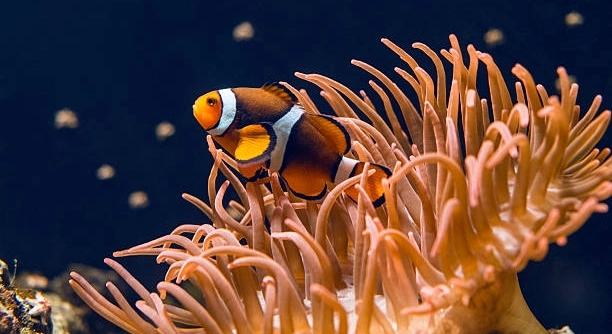
Do you ever find yourself fascinated by how clownfish interact with each other in shared aquarium spaces or coral reef homes?
Clownfish can share space peacefully, but only under specific social conditions. These fish follow a strict dominance hierarchy, where aggression is typically aimed at maintaining rank. When this balance is disturbed, conflict may occur.
Understanding how clownfish establish territory and build social structures can help you create a calmer environment for them in captivity.
Understanding Clownfish Social Behavior
Clownfish live in small groups where one female, the largest and most dominant, leads the others. The second-largest is the breeding male, while the rest are non-breeding males ranked by size. This structure reduces competition and keeps the group stable. If the dominant female dies, the breeding male becomes female, and the next in line moves up. This shift helps avoid major conflict because each fish understands its role. In captivity, this natural structure can still be seen if conditions are right. Keeping clownfish of similar size or adding too many at once often leads to stress and aggression. To support peaceful behavior, aquariums should be carefully set up with enough hiding spaces. Also, avoid placing two females together, as this often leads to fighting. The social system in clownfish is simple but firm, and when it’s disrupted, even peaceful fish can turn aggressive to protect their place in the group.
Space and territory matter a lot. Cramped tanks make it harder for clownfish to keep a safe distance, which raises tension.
In the wild, clownfish choose one anemone and stay close. This attachment gives them a clear territory to defend. In an aquarium, replicating this space can ease stress. Each clownfish pair needs its own area, ideally with a host like a bubble-tip anemone or a substitute such as soft coral. Providing multiple spots for shelter helps limit interactions and lowers the chance of chasing or biting. When adding a new fish, rearranging tank decor can also break old territory lines and reduce the urge to defend them. This small change can give everyone a fresh start and help maintain balance. Keep in mind that aggression is not always constant—it can increase during feeding, changes in lighting, or if a fish feels threatened. Observing their behavior closely lets you make small adjustments to support harmony in the tank.
When Clownfish Can Live Together Peacefully
Tank conditions play a big role. A clean tank with stable temperature, salinity, and pH helps reduce stress and fighting.
Choosing the right clownfish species is important. Some are naturally more aggressive than others. For example, maroon clownfish are beautiful but often territorial, even with their own kind. On the other hand, ocellaris and percula clownfish tend to be gentler and are more likely to tolerate each other if introduced correctly. If you’re starting with a pair, it’s best to get one larger and one smaller fish. This size difference makes it easier for them to establish roles without much conflict. Avoid introducing two large fish at once, as both may fight for dominance. It’s also a good idea to quarantine new fish before adding them to the main tank. This not only prevents disease but gives you a chance to observe how the fish behaves alone. With patience and the right setup, many clownfish can share space successfully.
Signs of Conflict to Watch For
Chasing, biting, and sudden hiding are common signs that something isn’t right between clownfish. These behaviors often start small but can quickly become more serious if not addressed.
If you notice one clownfish constantly chasing another, it may be a sign of dominance being challenged. Short bursts of chasing can be normal at first, but if it continues or becomes more aggressive, it could lead to injury. Another warning sign is torn fins or damaged scales, which show that physical contact has escalated. Sometimes, one fish will stop eating or stay in a corner to avoid confrontation. This stress can weaken their immune system and lead to illness. Keeping an eye on how they behave during feeding or when the lights turn on can help spot problems early. Making changes to the tank setup or separating fish may be needed in serious cases.
Body language gives away a lot. If one fish constantly swims with a jittery or quick darting motion near another, it may be anxious or trying to avoid conflict. This avoidance behavior can signal bullying even if there’s no biting. Lip-locking, where two clownfish bite each other’s mouths, can also occur during power struggles. While this might look harmless at first, it’s often a sign of serious aggression. The weaker fish usually backs down, but if both keep at it, injuries may happen. Territorial guarding is another clue—if one clownfish won’t let the other near a certain rock or coral, it’s likely claiming that area as its own. Watch closely when these behaviors repeat over days. If the tank is too small or lacks enough structure, these signs will become worse. Taking action early prevents long-term harm and creates a better home for your fish.
Tips for Introducing New Clownfish
Start with a smaller fish if adding to an established tank. A noticeable size difference helps avoid dominance fights during the early stages.
Floating the new clownfish in a breeder box for a day or two can help both fish get used to each other without direct contact. This reduces the shock and gives the original fish time to adjust. Afterward, releasing the new one in the evening, when the lights are dim, often leads to less aggression. Rearranging tank decorations before release can help reset territory claims, making the tank feel new for both. Always observe closely during the first few hours. Mild chasing may happen, but it should settle quickly. If biting or fin tearing starts, be ready to separate them and try again later. Sometimes, pairing just doesn’t work out, and it’s better to house them apart. Patience and a calm setup go a long way when building peaceful pairs.
Mistakes That Can Lead to Conflict
Introducing two clownfish of the same size often leads to fighting. Without a clear size difference, both may try to become dominant, which causes tension and ongoing battles that are hard to stop once they begin.
Keeping clownfish in a tank that’s too small also causes issues. Limited space makes it harder for them to establish separate areas, which leads to more encounters and more chances for aggression.
When Separation Becomes Necessary
If chasing becomes nonstop, or if one clownfish hides constantly and shows signs of stress like not eating, separation is needed. Extended aggression leads to injury or death. Use a tank divider or move one fish to a new setup. Giving them time apart helps them recover and stay healthy.
Final Notes on Monitoring Behavior
Behavior can shift over time. Keep watching even peaceful pairs. Tank changes, lighting, or new fish can all affect how clownfish interact with each other.
FAQ
Can clownfish live with other fish species without conflict?
Yes, clownfish often coexist peacefully with many other species if the tank is large enough and each species has its own space. However, aggressive or territorial fish can stress clownfish and cause fights. Choose tank mates carefully and monitor interactions to keep harmony.
How many clownfish can I keep together in one tank?
The number depends on the tank size and species. Generally, a pair or a small group of three to four is manageable in tanks over 30 gallons. Crowding increases stress and aggression, so bigger tanks with more hiding spots work better for multiple clownfish.
Is it okay to keep two female clownfish together?
Two females rarely get along in the same tank. Since the dominant female controls the group, having two females causes constant fighting over rank. It’s best to keep only one female per tank or ensure only one female is present in a group.
What size difference is needed for clownfish to live together peacefully?
A noticeable size difference, where the larger fish is about 20-30% bigger than the smaller one, helps establish clear social roles. This reduces fights, as the smaller fish accepts a lower rank and the larger takes dominance without serious conflict.
What should I do if my clownfish are fighting?
First, watch for signs like chasing, biting, or hiding. If fights are minor, try rearranging tank decorations to break established territories. If aggression continues, separate the fish using a divider or different tanks until they calm down. Avoid adding new fish during conflicts.
Can clownfish change gender in captivity?
Yes, clownfish are protandrous hermaphrodites, meaning the dominant male can change into a female if the female dies or is removed. This natural process helps maintain the social hierarchy and breeding pair in both wild and captive environments.
Do clownfish need an anemone to live together peacefully?
Anemones provide natural shelter and territory for clownfish but are not required in captivity. Many clownfish adapt well to tanks without anemones if enough hiding places like corals and rocks are available. Anemones can sometimes increase territorial behavior, so their presence is optional.
How long does it take for clownfish to settle into a social hierarchy?
It usually takes a few days to a week for clownfish to establish their ranks and settle down. During this time, expect some chasing and minor aggression as they figure out their roles. After the hierarchy is set, they tend to live more peacefully.
What tank conditions support peaceful clownfish groups?
Stable water quality with proper temperature (75-82°F), salinity, and pH levels is essential. A clean, well-maintained tank with plenty of hiding spots and space reduces stress and aggression. Regular feeding and avoiding overcrowding also help maintain peace.
Is it normal for clownfish to be aggressive during feeding time?
Some chasing or competition during feeding is common, especially if food is limited. To minimize conflicts, spread food evenly and feed multiple areas at once. This way, all fish get enough and don’t feel the need to fight over food.
Can clownfish be kept with anemones safely?
Yes, clownfish form symbiotic relationships with certain anemones like bubble-tip anemones. This bond provides protection for clownfish and food for the anemone. However, anemones require stable tank conditions and care, so they are better suited for experienced hobbyists.
What are common causes of clownfish stress that might lead to conflict?
Stress often comes from overcrowding, poor water quality, sudden changes in lighting or temperature, and aggressive tank mates. Stress weakens clownfish and makes them more likely to fight. Maintaining stable, clean conditions is key to avoiding conflict.
Clownfish are fascinating creatures with unique social behaviors. Their ability to share space depends heavily on how well their natural social order is respected. In groups, clownfish follow a clear hierarchy, where one fish leads and others fall into place by size and rank. This system helps keep peace most of the time, but it requires careful attention from anyone keeping them in tanks. Without enough space or when two similar-sized clownfish are placed together, conflicts can quickly arise. Understanding their behavior and needs is important for creating an environment where they can live comfortably and without constant fighting.
In an aquarium, tank size, setup, and the number of clownfish all play important roles in keeping peace. Larger tanks with plenty of hiding spots and decorations can reduce stress and make it easier for each fish to claim its own space. Introducing clownfish slowly and ensuring a clear size difference between them helps prevent early fights. Watching their behavior closely during the first days after introduction is key to spotting any problems early. When aggression does appear, small changes like rearranging tank décor or temporarily separating fish can help ease tensions. It’s also useful to keep in mind that not all clownfish species have the same tolerance levels. Some types are naturally more peaceful, while others tend to be territorial and aggressive.
Overall, creating a calm environment for clownfish takes patience and attention. Their social nature means they need clear roles and enough space to avoid constant challenges. By respecting these needs and adjusting the tank conditions as required, it’s possible to enjoy watching clownfish live together peacefully. Whether you are new to keeping clownfish or experienced, knowing how they interact helps you make better decisions for their well-being. Peaceful clownfish groups are rewarding to care for, and a good setup can bring out their natural charm without the stress of constant conflict.

Hello,
If you enjoy the content that we create, please consider saying a "Thank You!" by leaving a tip.
Every little bit helps us continue crafting quality advice that supports the health, happiness, and well-being of pets around the world, for pets of all shapes, sizes, and species.
We really appreciate the kindness and support that you show us!