
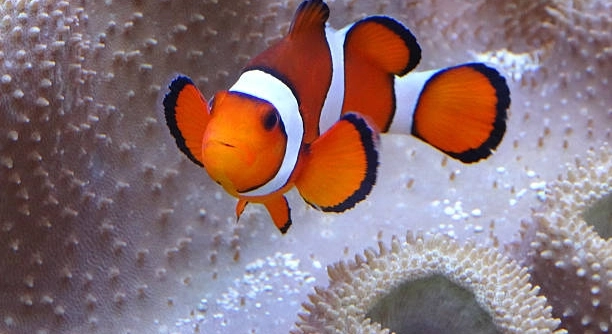
Do you ever find yourself wondering how loyal clownfish really are to their chosen mate and whether that bond can ever change?
Clownfish form long-term monogamous pairings, but under certain social or environmental pressures, they may form new bonds. While this is rare, changes in dominance, the loss of a mate, or survival needs can disrupt their partnerships.
Exploring how these changes happen reveals much about their behavior, communication, and the fragile balance within their sea anemone homes.
Understanding Clownfish Pair Bonds
Clownfish live in small groups where a strict hierarchy decides their roles. The largest and most dominant becomes the female, while the next in line becomes her male mate. This bonded pair works together to protect their sea anemone home and raise offspring. Their connection is not just emotional—it’s based on survival and social structure. However, these bonds are not completely unbreakable. If the dominant female dies, the male changes sex to become the new female, and the next subordinate becomes his mate. This change is a natural process, ensuring the group continues without outside disruption.
Bonded clownfish rarely separate unless something changes in their environment or social group. Stability helps them stay together.
While their loyalty is strong, it’s mostly tied to the structure of their group. Their behavior depends on maintaining harmony, so when conditions shift, the bond may adjust. It’s not about emotions but about survival and roles.
Why Some Clownfish Switch Mates
Environmental stress or group imbalance can lead clownfish to form new pairings. It’s uncommon, but it happens when their survival is at risk.
When a mate is lost, or if the dominant fish is removed, the group must reorganize. The male transforms into a female, and the next most dominant becomes the male. This biological shift allows the group to stay stable without needing outsiders. Occasionally, in captivity or under significant stress, clownfish may abandon a mate if their environment changes drastically. Factors like overcrowding, new tankmates, or territorial conflict can create these shifts. These changes are not random; they reflect the fish’s need to reestablish order and protect their space. In natural habitats, though, mate switching remains rare. The structure of their social group makes it more beneficial to stay bonded unless absolutely necessary. Understanding this balance helps explain why they may sometimes outgrow a mate, especially when their survival or social rank is challenged.
Social Rank and Mate Stability
Clownfish live in a structured group, and their roles are clearly defined by size and dominance. The top-ranking fish becomes the female, followed by her male partner. Others remain non-breeding subordinates.
This social order keeps the group stable and reduces conflict. If the female dies, the male changes sex and takes over her role, while the next in line becomes the new male partner. This process happens smoothly and quickly, which helps prevent disruptions in the group. The pairing is less about choice and more about maintaining group order. Their bond is strong as long as their social rank remains unchanged. If a lower-ranking clownfish suddenly grows or gains dominance, it may disrupt the established bond. This rarely happens naturally but can occur in captive environments where space, stress, or group dynamics shift. Mate changes are tied to rank, not preference.
In the wild, this hierarchy prevents unnecessary changes. Bonds remain steady because every clownfish has a specific role to play. Removing one affects the entire structure. Most clownfish avoid confrontation and will not attempt to move up unless forced to. Their loyalty to a mate is tied to this balance. When rank remains steady, their bond is likely to stay intact and long-lasting.
Environmental Triggers That Impact Bonds
Environmental changes like temperature shifts, pollution, or habitat damage can stress clownfish and cause shifts in their behavior and pair bonds. Even minor disruptions can affect their ability to communicate or maintain their roles.
In captivity, things like water quality, tank mates, or feeding routines can alter their social stability. If the tank becomes too crowded or if one fish becomes ill, it may lead to a change in dominance. Once that happens, the bond between the pair can break. Sometimes, a mate is replaced due to aggression, competition, or lack of space. These changes don’t happen randomly—they’re responses to survival pressure. Even in the wild, when their sea anemone is threatened or destroyed, clownfish may relocate and reform bonds with a new partner. Understanding these environmental triggers is important for anyone keeping clownfish in tanks or studying them in the ocean. Their bonds are resilient, but not immune to change.
Behavior After a Bond Breaks
When a clownfish loses its mate, the group quickly shifts to maintain balance. The next dominant fish steps up, and roles change without delay.
This adjustment helps prevent long-term stress. Clownfish don’t mourn or isolate. Instead, they adapt to new roles, focusing on survival and group structure.
Can Clownfish Form New Bonds?
Yes, clownfish can form new pairings if a previous bond is broken. The new mate is usually the next highest-ranking fish in the group. In captivity, if a mate is introduced after a loss, bonding may take time but is possible. Compatibility depends on size, dominance, and lack of aggression. The process is smoother when fish are introduced properly and the environment remains calm. In the wild, natural shifts in their group allow them to continue forming strong pair bonds even after disruption. While they may not choose partners emotionally, their need for a stable group leads to new bonds forming.
Final Thoughts on Mate Changes
Mate changes in clownfish are not emotional but based on structure, environment, and survival. These changes help maintain order and support group stability.
FAQ
Can clownfish survive without a mate?
Clownfish can survive without a mate, but their social structure becomes disrupted. Without a partner, a dominant male may eventually change sex to fill the female role, or the group will adjust roles to maintain balance. However, the absence of a mate can lead to stress and reduced breeding opportunities.
Do clownfish get lonely if separated from their mate?
Clownfish do not experience loneliness the way humans do. Their behavior is driven by survival and social hierarchy. When separated from a mate, they quickly adapt by forming new bonds or shifting roles within their group to reduce stress.
How long do clownfish stay bonded to one mate?
In stable environments, clownfish can remain bonded to the same mate for life. The bond lasts as long as the social structure is intact and neither fish dies or loses dominance. Changes in environment or group hierarchy can cause the bond to end.
What happens if the female clownfish dies?
If the female dies, the dominant male undergoes a sex change to become the new female. The next largest subordinate fish then becomes his mate. This natural process ensures the group’s survival and maintains the established hierarchy.
Can clownfish choose their mate?
Clownfish do not choose mates based on preference or attraction. Their pairing depends on size and social rank. The largest female and the next largest male form a bond, which is essential for maintaining group order and reproduction.
Do clownfish fight over mates?
Fighting is rare among clownfish when the social hierarchy is clear. Most conflicts are resolved through size and dominance rather than aggression. If a lower-ranking fish tries to move up, mild disputes can occur, but physical fights are uncommon.
How does captivity affect clownfish bonds?
In captivity, clownfish bonds can be more fragile. Changes in tank size, water quality, or the introduction of new fish can cause stress. This may lead to mate switching or aggression. Proper tank management helps maintain stable pair bonds.
Can clownfish have multiple mates?
Clownfish typically have only one mate at a time. Their social system supports monogamous pairs. However, if a mate is lost or removed, they can form new bonds with another suitable partner.
Are clownfish bonds important for breeding?
Yes, bonds are essential for successful breeding. The bonded pair works together to protect their eggs and care for the young. A stable bond improves chances of reproduction and offspring survival.
What role does the sea anemone play in clownfish bonds?
The sea anemone provides shelter and protection. It is the territory that clownfish defend as a pair. The bond helps them guard this home and keep it safe from predators. The relationship between clownfish, their mate, and the anemone is closely linked.
Clownfish bonds are closely tied to their social structure and survival needs. Their relationships are not based on emotions like humans, but rather on roles within their group. The largest fish becomes the female, and the next largest is the male mate. This system helps keep the group balanced and working together. When changes happen, such as the loss of a mate or a shift in dominance, clownfish adjust quickly to keep the group stable. This natural flexibility is part of how they survive in their environment. The bond between mates is strong as long as the social order is steady and their home remains safe.
Environmental factors can influence these bonds as well. Changes in habitat, water quality, or the presence of other fish can cause stress that affects their behavior. In captivity, such factors may be more noticeable and can lead to mate switching or even aggression. Despite this, clownfish are adaptable and can form new pair bonds when needed. This shows that while their connections may seem very fixed, they have a practical side that allows them to adjust when survival depends on it. The ability to change roles and partners when necessary helps keep their groups healthy and functioning.
Understanding clownfish behavior helps clarify that their bonds are about more than just sticking with a partner for life. It’s about maintaining balance in their social group and protecting their territory. These changes happen naturally and are part of their life cycle. Knowing this can help those who keep clownfish in aquariums provide better care and recognize the signs of stress or imbalance. Overall, clownfish show that bonds in nature serve a purpose tied closely to survival rather than emotion. Their behavior reflects the need for order, safety, and the continuation of their species.

Hello,
If you enjoy the content that we create, please consider saying a "Thank You!" by leaving a tip.
Every little bit helps us continue crafting quality advice that supports the health, happiness, and well-being of pets around the world, for pets of all shapes, sizes, and species.
We really appreciate the kindness and support that you show us!