
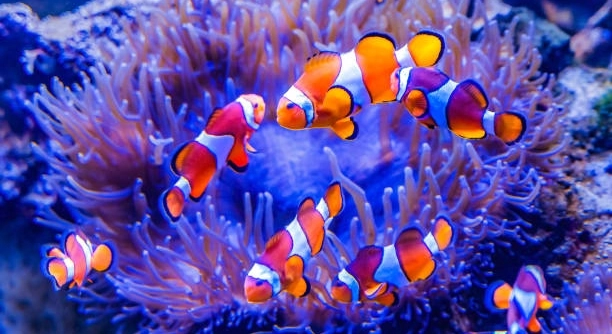
Clownfish are known for their bright colors and unique relationship with sea anemones. These fish often live close to each other, sometimes sharing small spaces. Their behavior in groups can reveal interesting patterns about how they tolerate each other.
Clownfish exhibit varying degrees of social tolerance, often influenced by hierarchy and territory. While some individuals coexist peacefully, aggressive behaviors may arise when competition for space or resources increases, showing a complex balance between tolerance and conflict.
Understanding clownfish social interactions helps explain their survival strategies in the wild. These behaviors offer insight into the delicate balance of life beneath the waves.
Social Structure and Hierarchy in Clownfish
Clownfish live in small groups where a clear social structure exists. At the top is the dominant female, followed by a dominant male, and then smaller non-breeding males. This hierarchy helps reduce conflicts by establishing roles and limits on aggression. The dominant female controls the group’s territory and resources, while the others respect her authority. When the female dies or is removed, the dominant male changes sex and becomes the new female. This social order allows clownfish to tolerate each other more easily because each fish understands its place. However, when space becomes limited or when new fish try to enter the group, competition can increase. Aggression tends to rise when individuals challenge the hierarchy or fight for shelter within anemones. Despite occasional disputes, the group generally remains stable due to this well-established order.
This social ranking reduces long-term fighting and helps maintain group harmony. It is a key factor in their coexistence.
Tolerance depends heavily on maintaining hierarchy and the available space within the shared habitat.
Environmental Influence on Clownfish Behavior
The environment around clownfish plays a major role in their tolerance levels. Clownfish live among sea anemones, which provide protection and a home. The size and health of the anemone can influence how well clownfish tolerate one another. Larger anemones can host more fish comfortably, reducing conflict, while smaller anemones lead to more competition. Water conditions, food availability, and presence of predators also affect their behavior. When resources are abundant, clownfish are less aggressive and more likely to share space peacefully. However, in stressful conditions, their tolerance can quickly decrease. This shows that environmental factors are closely tied to how clownfish interact socially.
Environmental changes directly impact social behavior in clownfish.
Understanding these influences helps explain why tolerance varies among different groups.
This information is crucial when studying their behavior in natural and captive settings.
Learning and Adaptation Among Clownfish
Clownfish can adapt their behavior based on experiences with others in their group. They learn to tolerate certain individuals while reacting aggressively to unfamiliar or threatening fish. This learning helps them maintain a stable social environment.
Research shows that clownfish recognize group members and remember past interactions. Positive experiences increase tolerance, while negative ones lead to avoidance or aggression. Over time, clownfish adjust their behavior to reduce conflicts, especially in crowded spaces. This ability to learn and remember is important for survival, as it minimizes harmful fights and energy loss. It also helps clownfish maintain peaceful coexistence within their small territories.
The capacity to learn tolerance depends on the fish’s ability to assess risk and adjust responses accordingly. This behavioral flexibility supports social stability in a competitive environment.
Role of Communication in Tolerance
Clownfish use body language and sounds to communicate their intentions and status. These signals help reduce misunderstandings that could lead to fights. Displays like fin flicking or color changes inform others about dominance or submission.
Effective communication allows clownfish to avoid unnecessary aggression by clarifying their position in the group. When a fish shows submission, dominant individuals are less likely to attack. This reduces conflict and helps maintain peace. Communication also plays a role in mating and cooperation within the group. Through these signals, clownfish create a system of checks and balances that supports group tolerance. This social signaling is essential for their complex interactions.
The way clownfish communicate shows how important clear signals are for coexistence in tight spaces. These interactions prevent chaos and promote order.
Impact of Territory Size
The size of a clownfish’s territory directly affects how well they tolerate each other. Larger spaces reduce competition and aggression, while smaller spaces increase tension among individuals.
When territory is limited, clownfish defend their space more aggressively. This behavior helps protect resources but can lead to more conflicts within the group.
Effects of Group Size on Behavior
Group size influences clownfish interactions. Small groups tend to be more stable, with clear hierarchies and less aggression. Larger groups may experience increased competition for resources and more frequent conflicts. In bigger groups, tolerance can decrease as individuals struggle to maintain their status and space. This dynamic shows that managing group size is important for peaceful coexistence.
Stress and Clownfish Tolerance
Stress from environmental changes or predators can reduce clownfish tolerance toward each other. When stressed, they become more defensive and aggressive to protect themselves and their territory.
Feeding and Social Tolerance
Food availability affects how well clownfish get along. When food is plentiful, tolerance increases, but scarcity leads to more competition and conflict.
How do clownfish establish their social hierarchy?
Clownfish form social hierarchies based on size and dominance. The largest fish is the dominant female, followed by the dominant male, and then smaller males. This order controls breeding rights and territory. When the female dies, the dominant male changes sex to take her place, maintaining the hierarchy.
Can clownfish live peacefully in captivity?
Yes, but it depends on tank size and group composition. Providing enough space and hiding spots reduces aggression. Keeping one dominant pair with few smaller males tends to work best. Overcrowding or mixing unrelated fish can cause fights and stress.
What triggers aggression among clownfish?
Aggression often arises from competition over territory, food, or mates. Changes in group composition, such as new arrivals, also increase conflict. Limited space heightens tension, making clownfish more defensive and likely to attack rivals.
Do clownfish recognize each other?
Clownfish can recognize familiar individuals through sight and behavior. This recognition helps maintain social bonds and reduces unnecessary fights. They remember past encounters and adjust their behavior accordingly, showing tolerance toward group members and aggression toward outsiders.
How does the environment affect clownfish tolerance?
Environmental factors like anemone size, water quality, and food availability impact clownfish behavior. Larger anemones and stable conditions promote tolerance. Poor conditions or resource shortages increase stress and aggression, disrupting social harmony.
Are clownfish territorial?
Yes, clownfish fiercely defend their anemone territory from intruders. This defense protects their home and food source. Territorial behavior supports social order but can lead to conflicts when space is limited.
Can clownfish change their sex?
Clownfish are protandrous hermaphrodites, meaning males can become females. When the dominant female is lost, the dominant male changes sex to fill her role. This ensures reproduction continues without disrupting the social group.
How do clownfish communicate?
Clownfish use body movements, color changes, and sounds to communicate. These signals indicate dominance, submission, or aggression. Clear communication helps avoid fights and maintain social order within their groups.
What role does feeding play in clownfish tolerance?
Adequate food reduces competition and aggression. When food is scarce, clownfish become more aggressive to secure enough to eat. Consistent feeding helps maintain peace and promotes group stability.
How do clownfish cope with stress?
Stress from predators, environmental changes, or social tension increases aggression and reduces tolerance. Clownfish cope by reinforcing social hierarchies and using communication to avoid constant conflict. Providing stable environments minimizes stress responses.
Is it common for clownfish groups to change over time?
Yes, groups often change due to natural causes like death or migration. These changes can disrupt social order temporarily, causing fights until a new hierarchy is established. Adaptability allows clownfish to maintain tolerance despite these changes.
What happens if clownfish are placed with different species?
Clownfish can be territorial and aggressive toward other species, especially if they compete for the same anemone or space. Compatibility depends on the species and tank conditions. Careful selection and monitoring are necessary to avoid conflicts.
How important is the anemone to clownfish tolerance?
The anemone is essential as both shelter and territory. Its size and health influence how many clownfish can live together peacefully. A large, healthy anemone reduces competition, while a small or damaged one increases stress and aggression.
Can clownfish tolerate overcrowding?
Overcrowding generally reduces tolerance and increases aggressive encounters. Clownfish need enough space to establish territories and avoid constant confrontation. Proper tank size and population control are vital to prevent stress and fighting.
Do clownfish form long-term bonds?
Dominant pairs often form lasting bonds that last through their reproductive cycles. These bonds support cooperation and reduce aggression within the pair. However, bonds within larger groups are more fluid, with tolerance based on social status and environment.
Clownfish show a complex balance between tolerance and aggression within their groups. Their ability to live together depends on factors like social hierarchy, territory size, and environmental conditions. The dominant female leads the group, followed by the dominant male and smaller males, which helps reduce fights by setting clear roles. This order is important because it allows clownfish to coexist in limited spaces like sea anemones, where shelter is crucial for survival. Even though conflicts can arise, especially when space or resources are limited, clownfish generally find ways to tolerate each other to maintain the group’s stability.
Environmental influences greatly affect how well clownfish tolerate one another. A larger, healthy sea anemone provides enough room and safety for multiple fish, which lowers competition and aggression. Food availability is another key factor; when food is abundant, clownfish are more likely to share space peacefully. However, stress from poor water conditions, predators, or overcrowding can lead to more aggressive behavior. Clownfish also use communication through body language and sounds to manage conflicts and show their social status. This communication helps prevent unnecessary fights by signaling dominance or submission clearly within the group.
The ability of clownfish to learn and adapt plays an important role in their social tolerance. They remember past interactions with other fish and adjust their behavior accordingly, which helps them avoid constant aggression. This flexibility allows them to live in groups despite challenges like changes in group size or territory. Understanding these behaviors offers insight into how clownfish survive in their natural environment and how they can be cared for in captivity. Their social structure and behavior demonstrate the delicate balance needed for peaceful coexistence in the limited space of their underwater homes.

Hello,
If you enjoy the content that we create, please consider saying a "Thank You!" by leaving a tip.
Every little bit helps us continue crafting quality advice that supports the health, happiness, and well-being of pets around the world, for pets of all shapes, sizes, and species.
We really appreciate the kindness and support that you show us!