
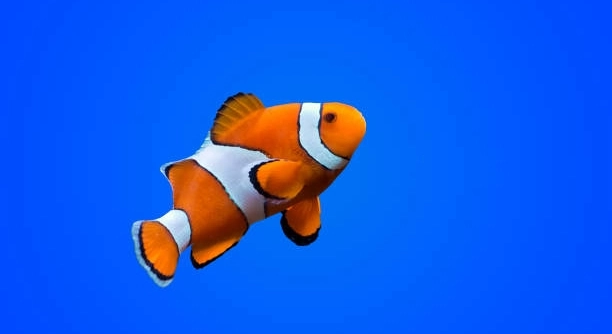
Have you ever found yourself rearranging your aquarium and wondering if your clownfish will adjust to the changes or get confused?
Clownfish are capable of learning new tank layouts quickly due to their spatial awareness and adaptability. Studies show that they can recognize environmental changes and modify their swimming patterns and routines within a short period.
Understanding how clownfish respond to new layouts can help you create a more enriching environment while reducing stress for your fish.
How Clownfish React to Change
Clownfish are naturally territorial, but that doesn’t mean they struggle with change. When placed in a tank with a new layout, they often begin by exploring the area cautiously. They typically memorize the structure of their environment using visual markers like rocks, coral, and anemones. As they move around, they begin to form routines and establish safe zones. This process usually happens over the course of a few days. While individual behavior may vary, most clownfish adapt quickly without displaying signs of stress, like hiding or refusing to eat. If you notice them swimming more slowly or avoiding certain spots, it could mean they are still adjusting. Providing consistent lighting and minimizing disturbances helps with this transition. When rearranging a tank, it’s best to keep their host anemone in a familiar spot to ease the process. Overall, clownfish are more flexible than many people assume.
Tank layout changes can be surprising at first, but clownfish respond with curiosity and care, not panic.
Once clownfish recognize the new layout as safe, they resume normal activities like swimming, feeding, and interacting with their environment. This ability shows their sharp memory and instinctive behaviors. It also explains why they make great fish for home aquariums. As long as changes aren’t too sudden or drastic, most clownfish settle into new setups fairly well. Careful observation during this time is key. Noticing how they navigate and behave will tell you whether they are comfortable or still figuring things out. Their adaptability makes it possible to refresh tank layouts occasionally, giving them new areas to explore. Just remember, consistency in lighting, feeding times, and water conditions plays a big role in how smoothly they adapt. Gentle changes that keep their key hiding spots intact will help your clownfish feel safe and confident.
Tips for Rearranging the Tank
Keep familiar features like their anemone or favorite hiding spot in the same place to give them a sense of security.
If you’re thinking about changing the layout of your tank, plan it with your clownfish’s habits in mind. Move decor slowly and avoid large changes all at once. Shifting a few rocks or adding a new cave can be enough to spark their interest without causing confusion. Make sure water parameters remain stable, as sudden environmental shifts can overwhelm them. After rearranging, watch how they swim—are they exploring or hiding more than usual? Keep lighting steady and avoid changing feeding times. If you do add something new, give them time to adjust. Sometimes they may ignore or avoid new features for a day or two, and that’s okay. Let them take the lead in getting used to the changes. A stable, peaceful environment supports faster adjustment and better health. With a little care, you can safely refresh their surroundings.
Understanding Clownfish Memory
Clownfish use their memory to recognize key spots in their environment, like hiding places or feeding zones. Once they learn these areas, they tend to return to them consistently, even after minor changes in the tank layout.
Their memory isn’t just about location—it also helps them notice patterns. If a certain area of the tank consistently offers safety or food, they’ll remember and prioritize that space. This is why keeping feeding areas and key decor consistent helps them adjust. Even when rearranging, if familiar elements remain present, clownfish are more likely to feel secure. They often map out their environment visually, using nearby objects to help them navigate. A stable setup supports this process, but even in a changed layout, clownfish can reorient themselves fairly quickly. They don’t require training or encouragement—they rely on instinct and memory to settle into their surroundings, making them fairly independent once the basics are in place.
Most clownfish adapt best when new layouts follow a familiar structure. If they used to hide behind a rock on the left side, placing that rock somewhere nearby still helps. While they may take time to test new paths, their ability to memorize patterns allows them to settle faster than some other fish. These patterns include both physical objects and routines, like feeding or lighting schedules. If you change everything at once—decor, lighting, and feeding—they may appear confused or slow to adapt. But if just one or two changes occur, clownfish usually adjust without any issue. Watching how they respond helps you learn what matters most in their memory. For some, it’s a favorite corner; for others, it’s their relationship to tank mates or even their reflection. Keeping a few constants helps them use their memory to adapt without stress.
Recognizing Signs of Stress
Clownfish may hide, breathe faster, or avoid eating when stressed. These behaviors often appear after major tank changes or unstable conditions. Subtle shifts in movement or energy levels can be early signs something is off.
Stress in clownfish isn’t always loud or dramatic. You might just notice them staying in one corner or avoiding areas they previously liked. They may also refuse to eat, or their color might look duller. It’s important to rule out water issues before assuming it’s just the new layout. Stress behaviors can also come from sudden lighting changes or noisy environments. Consistency helps reduce these effects. If they’re still active, swimming calmly, and responding to feeding, the stress may be mild and temporary. Watch them for two or three days. If they improve, it means they’re adapting well. If not, you may need to return key elements to their original spots to restore their sense of safety.
How Long Adjustment Takes
Most clownfish adjust to a new tank layout within three to five days. They usually start by slowly exploring, then return to regular feeding and swimming patterns once they feel secure.
If changes are more extreme, it might take up to a week. Keeping routines consistent helps speed things up.
Do Clownfish Learn from Experience
Clownfish can learn from past changes. If they’ve gone through a layout shift before and adjusted well, they’re often quicker to adapt the next time. Their ability to recognize familiar objects and patterns plays a big part. Over time, they become more comfortable exploring new areas, especially if no negative outcomes follow the changes. This learning helps reduce stress and builds confidence in their environment. Even though clownfish are not trained like dogs or cats, their repeated experiences shape how they react. Giving them space, keeping conditions stable, and letting them explore at their own pace supports this natural learning process.
When to Avoid Rearranging
Avoid rearranging the tank if your clownfish is sick or recently introduced. Stability is more important than variety during these times.
Can clownfish really learn new tank layouts quickly?
Yes, clownfish are quite adaptable and can learn new tank layouts in a matter of days. They use visual cues and their memory to recognize familiar places, such as hiding spots or feeding areas. This ability helps them navigate and settle in faster, even after the tank has been rearranged. Their natural curiosity drives them to explore new surroundings carefully before forming new routines. Keeping some consistent elements in the tank, like their anemone or favorite rock, makes the transition smoother and reduces stress during this learning period.
How can I tell if my clownfish is stressed from a new tank layout?
Signs of stress include hiding for long periods, rapid breathing, loss of appetite, and dull coloration. Your clownfish might also swim less or stay near the surface. These behaviors suggest they are uncomfortable with the changes or other environmental factors. It’s important to check water quality, temperature, and lighting first, as these often contribute to stress. If the behavior continues beyond a few days, consider restoring familiar elements to help your fish feel safe. Observing your clownfish closely will help you catch stress early and take steps to improve their environment.
Is it okay to rearrange the tank frequently?
Frequent rearranging can cause unnecessary stress for clownfish. While they are adaptable, constant changes force them to keep relearning the layout, which may tire or confuse them. It’s better to make small adjustments occasionally, allowing enough time in between for your fish to adjust. If you want to refresh the tank, try moving just one or two decorations at a time instead of a complete overhaul. This approach keeps the environment interesting without overwhelming your clownfish.
What should I keep consistent when changing the tank layout?
Maintaining key elements like the host anemone, main hiding spots, and feeding areas in roughly the same place helps clownfish adjust more quickly. Stable lighting and feeding schedules are also important to avoid added stress. These consistencies give your clownfish reliable points of reference as they explore new spaces. Keeping water conditions steady and minimizing sudden noise or vibrations further supports their comfort during changes.
Can clownfish learn from past experiences with tank changes?
Yes, clownfish appear to learn from previous experiences. If they’ve successfully adapted to a new layout before, they often handle future changes better and faster. Their memory helps them recognize patterns and familiar objects, building confidence over time. This natural learning reduces stress and helps them explore new areas more willingly. Although not trained like some pets, their ability to adapt based on experience is a valuable survival skill in their environment.
What is the best way to introduce a new tank layout?
Make changes gradually when possible. Start by rearranging a few decorations or adding new elements without disturbing the whole setup. Observe how your clownfish reacts before making further changes. Keep feeding and lighting consistent throughout the process. If your fish shows signs of stress, pause and give them time to settle before continuing. This careful approach helps prevent overwhelming your clownfish and supports smoother adaptation.
Should I rearrange the tank if my clownfish is sick?
No, stability is crucial when your clownfish is unwell. Avoid rearranging the tank during illness or recovery. Changes in environment can add unnecessary stress and slow down healing. Focus on maintaining clean water, proper temperature, and a quiet space. Once your clownfish has fully recovered, you can consider gentle changes to the tank layout.
How long does it take for clownfish to fully adapt to a new layout?
Most clownfish adapt within three to five days, but this can vary depending on the extent of changes and individual temperament. Minor changes usually result in quicker adjustment, while major rearrangements may take up to a week or more. Providing familiar hiding spots and stable conditions helps speed up adaptation.
Can rearranging the tank improve my clownfish’s wellbeing?
Yes, occasional changes can stimulate your clownfish and encourage natural behaviors like exploration and hiding. A varied environment can reduce boredom and improve mental health. Just make sure changes are gentle and not too frequent. Gradual updates to the layout help keep your clownfish engaged without causing stress.
What are common mistakes when rearranging a clownfish tank?
Common mistakes include making too many changes at once, moving key elements like the host anemone far from their original spots, and ignoring water condition stability. Sudden lighting changes or inconsistent feeding times also add stress. Rushing the process without observing fish behavior can lead to long-term discomfort. Patience and gradual adjustments are key to avoiding these errors.
When thinking about rearranging your clownfish’s tank, it’s important to remember that these fish are quite adaptable. They use their memory and natural instincts to learn new layouts and find safe spots quickly. While they can handle changes, making sudden or drastic adjustments can cause stress. Small, gradual changes help them explore without feeling threatened. Keeping familiar features like their anemone or favorite hiding places in roughly the same area allows them to adjust more comfortably. This balance between change and consistency supports their wellbeing and helps maintain a peaceful tank environment.
Observing your clownfish closely during any change is key. Watch how they swim, eat, and behave. Signs of stress like hiding for long periods or refusing food should not be ignored. If these signs appear, it may be necessary to slow down the changes or return some items to their original spots. Water quality, lighting, and feeding routines also play a big role in how well your fish cope. Stable conditions combined with thoughtful tank rearranging make it easier for clownfish to accept new environments without unnecessary worry or discomfort.
In the end, understanding your clownfish’s behavior and needs can make managing their tank much easier. While they learn and adapt faster than many expect, patience is still important. Each fish may respond differently, so giving them time to explore and settle is the best approach. When done carefully, changing the tank layout can provide enrichment and variety that benefits your clownfish’s health and happiness. Keeping a steady routine alongside gradual updates allows your fish to thrive in a space that feels both familiar and fresh.

Hello,
If you enjoy the content that we create, please consider saying a "Thank You!" by leaving a tip.
Every little bit helps us continue crafting quality advice that supports the health, happiness, and well-being of pets around the world, for pets of all shapes, sizes, and species.
We really appreciate the kindness and support that you show us!