
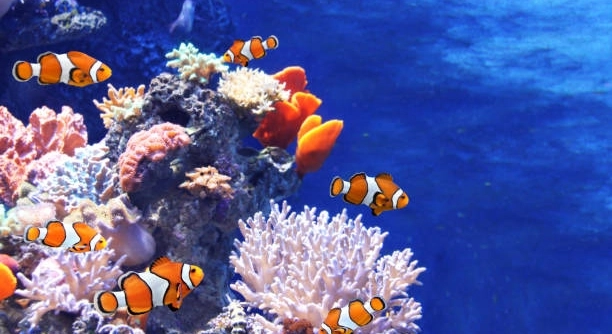
Clownfish are popular pets for many aquarium lovers. They live in colorful coral reefs and adapt well to tanks. Keeping their environment stable is important for their health and behavior in captivity.
Clownfish can recognize changes in their tank quickly through visual and chemical cues. Their sensitivity helps them respond to new objects, water quality shifts, or rearranged decorations within hours or days. This ability supports their survival and comfort in confined spaces.
Understanding how clownfish react to tank changes can improve care techniques. Small adjustments might affect their stress levels and overall well-being in ways you might not expect.
How Clownfish Sense Changes in Their Environment
Clownfish rely heavily on their senses to notice changes around them. Their eyesight helps them detect new objects or movements in the tank. When something shifts, such as a decoration or lighting, they quickly become aware of the difference. Besides sight, clownfish use their sense of smell to identify changes in water quality. If the water chemistry alters, they react by swimming differently or hiding more often. These fish are also sensitive to vibrations and sounds in their surroundings, which can signal disturbances. Together, these senses allow clownfish to adapt to their environment and avoid stress. When a tank change happens, they don’t ignore it—they respond. This responsiveness helps keep them healthy and comfortable, especially in a confined space where small changes can feel much bigger to them. Watching how they behave after changes can give clues about the tank’s condition.
Clownfish respond quickly because their survival depends on sensing even small environmental shifts.
Their quick reactions help them stay safe and maintain their daily routines. If the tank environment changes suddenly, they adjust their behavior to reduce stress. This means they may explore less or seek shelter until they feel secure again. Tank keepers should observe these behaviors closely, as they indicate how well the fish are coping. Maintaining consistent water quality, lighting, and decorations can help clownfish feel stable and comfortable. If changes must happen, doing so gradually gives clownfish time to adapt. A calm and familiar environment leads to healthier, more active fish. Understanding these reactions helps in creating a better home for clownfish and supports their natural habits in captivity.
The Importance of Gradual Changes in the Tank
Gradual changes help clownfish adjust without feeling overwhelmed.
Sudden shifts in water parameters or tank setup can cause stress and unhealthy reactions. Gradual adjustments give clownfish time to get used to the new conditions. For example, when adding new decorations or changing water temperature, it’s best to make small steps over days. This way, clownfish notice the change but don’t feel threatened. Consistent feeding times and stable water quality also reduce stress. Stress in fish can lead to illness or weakened immune systems, so minimizing it is key. When tank keepers carefully plan changes, clownfish remain active and show natural behaviors. Observing their response during these changes is important to ensure they remain comfortable. Small, steady updates in the tank are much better than sudden, large ones for the health and happiness of clownfish. This thoughtful approach benefits both the fish and the tank environment overall.
How Visual Changes Affect Clownfish Behavior
Clownfish notice visual changes quickly. New decorations or altered lighting catch their attention immediately.
When something in the tank looks different, clownfish may become cautious or curious. They might swim slower, inspect the new object, or hide briefly. These responses show their need to assess potential threats or changes to their territory. Over time, if the change is safe, they return to normal behavior. Sudden or bright changes can cause stress, so gradual shifts are better for their comfort. Understanding this helps tank owners avoid startling their fish.
Visual changes can disrupt the clownfish’s routine, but they usually adapt after a short period. Watching these reactions helps keep their environment stable and less stressful.
Chemical Changes and Their Impact on Clownfish
Changes in water chemistry can affect clownfish health and behavior immediately. Even slight shifts in pH, ammonia, or nitrate levels may cause noticeable stress.
Clownfish rely on chemical cues to understand their environment. Poor water quality can make them less active, cause them to hide, or lead to illness. Regular water testing and maintenance help prevent sudden chemical changes. When water changes are necessary, doing them gradually reduces shock. Keeping a clean tank with stable water parameters supports clownfish well-being and helps them thrive.
Monitoring these chemical factors is essential for maintaining a healthy and stress-free tank for clownfish.
How Noise and Vibrations Influence Clownfish
Clownfish are sensitive to noise and vibrations. Loud sounds or sudden movements near the tank can make them nervous.
They may hide or swim away quickly when they feel these disturbances. Keeping the tank in a quiet, stable area helps reduce stress and keeps clownfish calm.
Adjusting to New Tank Mates
Introducing new fish or creatures can cause clownfish to feel unsettled. They may show territorial behavior or stress at first.
Slowly introducing new tank mates and monitoring interactions can help clownfish adapt more easily. Patience is key to maintaining harmony in the tank.
Signs of Stress in Clownfish
Changes in behavior, like hiding or loss of appetite, often indicate stress.
Noticing these signs early helps prevent bigger health issues. Observing your clownfish regularly keeps them healthy and comfortable.
FAQ
How quickly can clownfish notice changes in their tank?
Clownfish can detect changes in their tank within hours or sometimes minutes. Their sharp eyesight and sensitive sense of smell help them pick up new objects, altered water conditions, or even different lighting. This quick awareness helps them react by exploring cautiously or seeking shelter, depending on how big the change feels to them.
What are the most common signs that clownfish are stressed?
Common signs of stress in clownfish include hiding more often than usual, swimming erratically, or losing interest in food. They may also show faded colors or stay near the tank bottom. These behaviors usually mean the environment is uncomfortable or something in the tank has changed suddenly.
Can clownfish adapt to changes in tank decorations?
Yes, clownfish typically adapt to changes in decorations if those changes are gradual. Sudden additions or removals may cause them to hide or act wary, but with time, they explore and accept the new layout. Keeping changes slow helps reduce their stress.
How important is water quality for clownfish behavior?
Water quality is extremely important. Clownfish react quickly to poor water conditions like high ammonia or nitrate levels. These chemical changes can cause stress, illness, or unusual swimming patterns. Regular water tests and maintenance are essential for keeping clownfish healthy.
Do clownfish respond to noise and vibrations outside the tank?
Clownfish can sense vibrations and sudden noises nearby. Loud sounds or heavy movement near the tank often make them nervous or cause them to hide. Placing the tank in a quiet spot with minimal disturbance helps them stay calm and relaxed.
How can I help clownfish adjust when adding new tank mates?
Introduce new tank mates slowly and watch how your clownfish react. Some initial stress or territorial behavior is normal, but close observation is important. If the fish seem aggressive or overly stressed, it may be necessary to separate them or reconsider tank companions.
Are clownfish able to recognize their owner or regular caretakers?
Clownfish do show recognition of familiar people, especially those who feed and care for them regularly. They may swim toward the glass or become more active when they see someone they recognize. This behavior reflects trust and comfort.
What should I do if my clownfish hides after a tank change?
If your clownfish hides, give it time to adjust without making more sudden changes. Check that water quality and temperature are stable. Reducing stress factors like noise and bright lights helps the fish feel safer and come out on its own.
Is it better to make changes to the tank all at once or gradually?
Gradual changes are always better. Small, slow adjustments give clownfish a chance to notice without becoming overwhelmed. Whether changing decorations, water parameters, or adding fish, spreading out these changes over several days or weeks helps maintain their well-being.
How often should I observe my clownfish to catch early signs of stress?
Daily observation is best. Watching your clownfish regularly helps you notice small changes in behavior or appearance. Early detection of stress signs allows for quick action, preventing more serious problems before they develop.
Can clownfish sense changes in water temperature quickly?
Yes, clownfish are sensitive to temperature shifts. Sudden increases or drops in temperature can stress them, affecting their activity and appetite. Keeping the tank temperature stable within their ideal range is key to their comfort.
What role does lighting play in clownfish behavior?
Lighting affects their daily rhythm and mood. Too bright or flickering lights can cause stress or confusion. Providing a consistent light cycle with gradual transitions between day and night helps clownfish maintain normal behavior and reduces anxiety.
How do clownfish communicate stress or discomfort?
Clownfish communicate stress by changing swimming patterns, hiding, or showing aggression toward tank mates. Some may also lose color or stop eating. These behaviors are signals that something in their environment needs attention.
Can feeding habits indicate if a clownfish is stressed?
Yes, a clownfish that stops eating or shows less interest in food may be stressed. Changes in feeding behavior often occur before other signs of distress appear. Keeping a regular feeding schedule and observing appetite helps monitor their health.
Are clownfish more sensitive to certain types of changes in the tank?
Clownfish are especially sensitive to changes in water quality and sudden visual shifts. Chemical imbalances like ammonia spikes cause quick stress, while abrupt changes in tank setup or lighting can also upset their routine. Small, controlled changes minimize negative effects.
Clownfish are surprisingly aware of their surroundings and notice changes in their tank quickly. Their ability to sense shifts in water quality, lighting, and decorations helps them stay safe and comfortable. When something changes in their environment, they often react by exploring cautiously, hiding, or adjusting their swimming patterns. These behaviors are natural responses that help them deal with new situations. Understanding this helps tank owners provide better care and create a stable environment for their fish.
Keeping the tank conditions steady is important for clownfish well-being. Sudden changes in water chemistry or temperature can cause stress, which may lead to illness or unusual behavior. Changes to the tank setup, like moving decorations or adding new fish, should be done slowly and carefully. This gives the clownfish time to adapt without feeling threatened. Quiet surroundings with consistent lighting and minimal vibrations also help reduce stress. Watching how clownfish behave after changes can provide useful clues about their comfort level and health.
Overall, taking the time to observe and understand clownfish responses benefits both the fish and their caretakers. When you respect their sensitivity and make thoughtful adjustments, clownfish tend to stay active, healthy, and less stressed. Small changes matter a lot in a tank environment, so planning and patience go a long way. Creating a calm, familiar space allows clownfish to show their natural colors and behaviors, making the tank more enjoyable for everyone involved.

Hello,
If you enjoy the content that we create, please consider saying a "Thank You!" by leaving a tip.
Every little bit helps us continue crafting quality advice that supports the health, happiness, and well-being of pets around the world, for pets of all shapes, sizes, and species.
We really appreciate the kindness and support that you show us!