
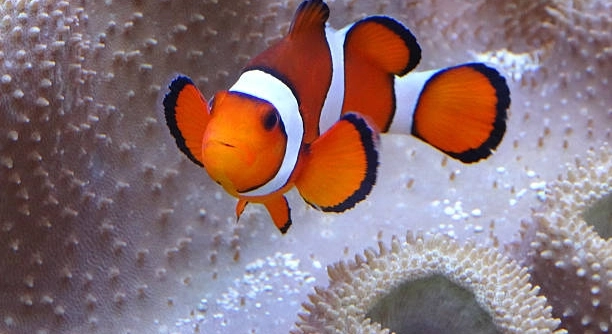
Clownfish are famous for living safely among sea anemones. These colorful fish rely on anemones for protection and shelter in their natural habitat. But not all anemones are real, and sometimes fake ones appear in aquariums or other settings.
Clownfish cannot host fake anemones because their symbiotic relationship depends on the specific chemical signals and stinging cells of real anemones. Without these, clownfish do not recognize or settle among artificial anemones.
Understanding how clownfish interact with real anemones helps clarify why fake ones cannot replace this unique bond in their environment.
Why Clownfish Need Real Anemones
Clownfish depend on sea anemones for safety and survival. Anemones provide protection with their stinging tentacles, which keep predators away. The clownfish has a special mucus layer that prevents it from being stung. This unique relationship benefits both animals: clownfish get shelter, and anemones receive cleaning and food scraps. Fake anemones lack these stinging cells and chemical cues that make this partnership possible. Without real anemones, clownfish feel vulnerable and stressed. In captivity, some hobbyists use fake anemones to decorate tanks, but these do not offer the protection or comfort real anemones provide. Clownfish will swim around fake anemones, but they do not live among them as they do with real ones. Understanding this helps when setting up a tank to make sure the clownfish’s needs are met properly. Real anemones require specific water conditions and care, but their presence is essential for clownfish health.
Real anemones provide more than just decoration—they are crucial for clownfish wellbeing and natural behavior.
Fake anemones might look nice but cannot replace the natural protection and interaction real anemones offer. Clownfish show less activity and comfort without the genuine article, which impacts their overall health and happiness.
Challenges of Keeping Real Anemones in Aquariums
Real anemones need stable water quality, proper lighting, and suitable tank mates to thrive. They are sensitive to changes in temperature and salinity. If conditions fluctuate, anemones can bleach or die, which removes the clownfish’s shelter and stresses them out. Setting up an aquarium for both clownfish and real anemones requires careful planning and regular monitoring. Lighting is critical because anemones have symbiotic algae that need light to produce energy. Many people struggle to keep anemones alive because they underestimate these needs. When anemones die, clownfish must find other places to hide, which is stressful and unnatural. Although fake anemones avoid these problems, they cannot replace the biological relationship real anemones provide. It is best to research and prepare the aquarium environment properly before adding anemones and clownfish together to support their natural bond.
Real anemones need a well-maintained environment, which can be challenging but is essential for clownfish health.
Proper care ensures both anemones and clownfish stay healthy, making the aquarium more natural and rewarding to observe.
How Fake Anemones Affect Clownfish Behavior
Fake anemones lack the chemical signals and stinging cells that real anemones have. This difference makes clownfish treat them differently.
Clownfish rely on the protective tentacles of real anemones to feel safe. Without these, they swim around fake anemones but do not settle or hide as they normally would. This affects their natural behavior, causing them to be more cautious and restless. Over time, the absence of a real host can lead to stress, which impacts their health and activity levels in the tank. While fake anemones are visually appealing, they do not meet the biological needs of clownfish.
The lack of real anemone cues means clownfish miss out on important interactions that support their sense of security and social behavior. Without this connection, their comfort and natural habits decline.
Alternatives to Real Anemones for Clownfish
Artificial anemones are common in home aquariums but do not offer the same benefits as real ones. They can provide hiding spots but lack protection.
Some hobbyists use coral or other decorations as alternative shelters. These can offer visual interest and some places to hide, but they don’t replace the symbiotic bond clownfish have with anemones. Other fish species sometimes share tank space, but clownfish specifically seek out anemones for safety. When real anemones are not an option, it is important to ensure the tank is safe and stable, reducing stress for the clownfish. Using soft decorations or live rock can help create a more natural environment that supports clownfish wellbeing.
While these alternatives don’t replace the unique relationship with anemones, they help clownfish feel less exposed in an aquarium setting.
Caring for Real Anemones
Real anemones need clean, stable water with proper temperature and salinity. Regular water testing is important to keep conditions ideal.
They also require strong lighting because their algae need light for photosynthesis. Too little light weakens the anemone and harms the clownfish’s home.
Signs Clownfish Need a Real Anemone
Clownfish without a real anemone may show signs of stress like hiding, reduced activity, or loss of color. They may swim anxiously or try to find shelter.
Providing a real anemone helps clownfish feel secure and improves their behavior and health. Observing these signs can guide aquarium care decisions.
Common Mistakes When Keeping Anemones
Overfeeding or poor water quality often cause anemone decline. Avoid sudden changes in tank conditions to protect their health.
Preparing Your Tank for Anemones
Make sure your tank is cycled and stable before adding anemones. This gives them the best chance to thrive and support clownfish.
FAQ
Can clownfish survive without anemones?
Clownfish can survive without anemones, especially in captivity, but they do not thrive as well. Without anemones, clownfish lose their natural shelter and protection, which can increase stress and vulnerability. They may hide among rocks or decorations but miss the comfort and safety that real anemones provide.
Why don’t clownfish live with fake anemones?
Fake anemones do not have the stinging cells or chemical signals that real anemones produce. Clownfish rely on these signals to recognize their host. Without them, clownfish do not settle or form their usual protective bond. They might swim near fake anemones but avoid living inside or fully trusting them.
Are fake anemones harmful to clownfish?
Fake anemones are not directly harmful, but they do not offer the benefits real anemones provide. Without real anemones, clownfish can experience stress and reduced natural behaviors. Fake anemones serve only as decoration and hiding spots, which is better than no shelter but far from ideal.
How do I know if my anemone is healthy?
A healthy anemone is open, has vibrant colors, and shows active tentacle movement. It should respond to light and water flow. If the anemone is closed for long periods, bleached, or shrinking, it may be unhealthy. Poor water conditions and lighting often cause these issues.
What water conditions do real anemones need?
Real anemones require stable saltwater conditions with proper temperature (usually 76–82°F), salinity (around 1.023–1.025 specific gravity), and pH (8.1–8.4). They also need low levels of nitrates and phosphates. Keeping water clean with regular testing and changes is essential for their health.
Can I keep anemones and clownfish together in a small tank?
It depends on the tank size and species. Many anemones need at least 20–30 gallons or more to thrive, along with clownfish. Smaller tanks may not provide enough stable conditions or space. Research your specific anemone and clownfish needs before pairing them in small aquariums.
What lighting is best for real anemones?
Strong, full-spectrum lighting mimics natural sunlight and supports the algae living inside anemones. LED or metal halide lights are common choices. Without enough light, anemones can weaken and bleach. Proper lighting schedules that mimic natural day and night cycles also help.
How long can clownfish live with fake anemones?
Clownfish can live for years without real anemones if the tank is well maintained. However, their natural behaviors may be limited, and they could be more stressed. Fake anemones do not shorten their lifespan directly but do not replace the benefits of real ones.
Are there safer alternatives to real anemones for beginner aquarists?
Yes. Live rock, soft corals, and artificial decorations can provide hiding spots and help clownfish feel more secure. These alternatives require less maintenance and do not have the delicate needs real anemones do. This can be a good option while gaining experience.
Can clownfish host multiple anemones?
Clownfish usually choose one primary anemone to host and defend. Some may visit other anemones, but hosting multiple at once is uncommon. This behavior helps reduce stress and competition. Providing enough space and hiding places can keep interactions peaceful.
How do I introduce an anemone to a tank with clownfish?
Make sure the tank is stable and cycled first. Introduce the anemone gently, placing it on a stable surface. Watch for signs of stress or movement, and keep lighting and water flow appropriate. Clownfish usually find and settle with the anemone over time, but patience is key.
What should I feed real anemones?
Anemones get most energy from their algae through light, but they also benefit from supplemental feeding. Small pieces of shrimp, fish, or plankton can be offered once or twice a week. Avoid overfeeding, as leftover food can harm water quality.
Can clownfish host other types of anemones?
Clownfish often host specific species like bubble-tip anemones, but some can live with other anemone types. Compatibility depends on the clownfish species and anemone type. Researching the best pairings helps ensure a healthy relationship and reduces risk of harm.
Why do anemones bleach and what does it mean?
Bleaching happens when anemones lose their algae due to stress from poor water quality, high temperature, or lighting problems. Bleached anemones appear white or faded and are weaker. This condition is serious and requires immediate care to restore proper tank conditions.
Is it expensive to keep real anemones?
Real anemones can be costly to maintain because they require stable, well-equipped tanks with strong lighting and clean water. The initial price for anemones varies, but the ongoing cost of care, electricity for lighting, and water treatments add up. Planning ahead is important.
Clownfish have a unique and important relationship with sea anemones. This bond is natural and helps both animals survive in the wild. Real anemones provide clownfish with protection from predators and a safe place to live. The anemone’s stinging tentacles keep other fish away, while the clownfish’s mucus prevents it from being harmed. This mutual benefit cannot be copied by fake anemones. While artificial anemones may look nice in an aquarium, they do not have the chemical signals or physical features that real anemones have. Without a real anemone, clownfish can become stressed and less active. Their natural behavior is closely tied to their host, so the absence of a genuine anemone can affect their health and well-being.
Keeping real anemones in an aquarium requires care and attention. Anemones need stable water conditions, proper lighting, and good water quality to survive. They are sensitive to changes in temperature, salinity, and water cleanliness. Without these conditions, anemones may bleach or die, which affects the clownfish’s shelter and safety. While some hobbyists may hesitate to keep real anemones because of their care needs, providing the right environment is essential for the health of both the anemone and the clownfish. It is important to research and prepare before adding anemones to a tank. When done correctly, this creates a more natural and balanced aquarium that benefits both species.
In cases where keeping real anemones is not possible, alternative hiding places like live rock or soft coral can offer some comfort to clownfish. Although these alternatives do not replace the special relationship clownfish have with anemones, they help reduce stress and provide shelter. Fake anemones are mostly decorative and do not fulfill the biological needs of clownfish. Understanding the limits of fake anemones helps aquarists make better choices for their tanks. Overall, the well-being of clownfish depends on their environment and the presence of suitable shelter. Paying attention to their natural needs ensures they remain healthy and display their natural behaviors.

Hello,
If you enjoy the content that we create, please consider saying a "Thank You!" by leaving a tip.
Every little bit helps us continue crafting quality advice that supports the health, happiness, and well-being of pets around the world, for pets of all shapes, sizes, and species.
We really appreciate the kindness and support that you show us!