
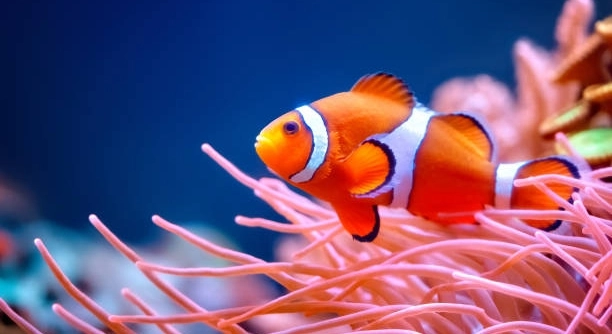
Clownfish are popular pets for many aquarium enthusiasts. Their bright colors and lively behavior make them a favorite addition to home tanks. When new fish arrive, owners often wonder how clownfish might react to the change in their environment.
Clownfish can show territorial behaviors when new fish are introduced, which some interpret as jealousy. These behaviors include chasing or guarding areas, but this is a natural response to protect their space rather than true emotional jealousy.
Understanding clownfish behavior can help maintain a peaceful aquarium and promote the well-being of all your fish companions.
How Clownfish React to New Tank Mates
When a new fish is introduced into an aquarium with clownfish, the change can stir noticeable reactions. Clownfish often become protective of their space, especially if they have established a territory. They may chase the newcomer or display aggressive postures to warn them off. This behavior is more about securing their environment than showing emotional jealousy. It is common for clownfish to inspect the new arrival closely, sometimes appearing wary or curious. Over time, many clownfish adjust and accept the new fish, but the initial period can be tense. Keeping a close eye during this phase helps ensure no harm comes to either fish. Providing enough hiding spots and space can reduce stress for everyone. This natural behavior shows how clownfish prioritize their survival and comfort within the tank.
Clownfish territorial behavior peaks when new fish disrupt their established boundaries, but patience usually leads to peaceful coexistence.
Proper tank setup and observation during introductions are key to a calm aquarium environment where clownfish and newcomers can live without conflict.
Signs of Stress in Clownfish with New Fish
Clownfish can show stress in several ways when faced with unfamiliar tank mates. They might hide more often, lose appetite, or become less active. Sometimes, their colors may fade slightly, which signals discomfort. Stress can affect their immune system, making them vulnerable to illness. It is important to notice these signs early to avoid long-term harm. Adjusting the environment by adding plants or decorations can give stressed fish places to retreat. Separating aggressive fish temporarily may also be necessary. Stress management is essential for keeping clownfish healthy and happy. Recognizing these behaviors ensures that the tank stays balanced and peaceful.
To prevent ongoing stress, maintain stable water conditions and monitor fish behavior closely after new introductions.
Creating a welcoming and secure environment helps clownfish feel safe, reducing stress and encouraging natural behavior. Proper tank maintenance, careful selection of compatible fish, and gradual introductions play important roles in easing tension. Providing a varied diet and clean water further supports their well-being. Stress reduction leads to healthier fish and a more enjoyable aquarium experience overall.
Preventing Aggression Between Clownfish and New Fish
Keeping clownfish calm when adding new fish starts with proper tank size. Crowded tanks increase stress and aggression. Introducing new fish slowly helps reduce sudden disruptions. Using a divider at first lets the clownfish get used to the newcomer’s presence without direct contact.
Maintaining good water quality also lowers stress levels. Clean, stable water creates a healthier environment, making clownfish less defensive. Providing plenty of hiding spots allows both clownfish and new fish to retreat when needed, minimizing confrontations. Watching their behavior closely in the first days helps catch any signs of aggression early, so adjustments can be made.
Feeding both fish adequately reduces competition over food, which is another cause of conflict. Balanced diets keep all fish healthy and calm, supporting a peaceful tank atmosphere over time.
The Role of Social Hierarchy in Clownfish Behavior
Clownfish live in groups with a clear social hierarchy, which affects their interactions with new tank mates. The dominant fish usually controls the territory and displays the strongest behaviors toward newcomers. Subordinate clownfish tend to be less aggressive and may avoid conflict.
When a new fish arrives, the established hierarchy can be challenged, causing tension. The dominant clownfish may increase displays of dominance to maintain control. This behavior helps keep order in the group but can look like jealousy. Understanding this natural structure helps explain why clownfish act protective and territorial.
Over time, if the new fish fits well within the hierarchy, tension often decreases. Stable social ranks promote peace and make it easier for all fish to coexist comfortably in the same space.
How to Introduce New Fish Without Stress
Introducing new fish gradually helps reduce stress for clownfish. Using a quarantine tank or divider lets both fish get used to each other’s presence safely. This approach limits immediate confrontation and gives time for adjustment.
Slow, careful introductions are better than sudden changes. They help maintain calm in the tank and prevent aggressive behaviors that could harm either fish.
Choosing Compatible Fish for Clownfish Tanks
Not all fish get along with clownfish. Choosing species known for peaceful behavior reduces conflict. Avoid overly aggressive or territorial fish that might provoke clownfish. Research compatibility before adding new fish to ensure a balanced community.
Keeping harmony in the tank depends on selecting fish that share similar temperaments and space needs.
Monitoring Behavior After New Fish Arrival
Keep a close eye on clownfish and new fish after introductions. Watch for signs of stress or aggression. Early detection allows for quick action, such as separating fish if needed.
Regular observation helps keep the tank peaceful and the fish healthy.
When to Separate Fish
If aggression continues despite efforts, separating the fish may be necessary. Protecting the well-being of all tank inhabitants is the priority.
Separation can prevent injury and reduce stress in a shared environment.
FAQ
Can clownfish really feel jealousy?
Clownfish do not experience jealousy like humans do. Their behaviors that seem jealous are actually territorial instincts. When a new fish enters their space, clownfish react by protecting their territory. This is a natural survival mechanism, not an emotional response. Understanding this helps reduce misconceptions about their behavior.
How long does it take for clownfish to accept new fish?
Acceptance varies depending on the clownfish and the species introduced. Some adjust within days, while others may take weeks. Providing plenty of space and hiding spots speeds up the process. Patience is important during this adjustment period to avoid unnecessary stress or conflict.
What are common signs of clownfish stress?
Stress signs include hiding more than usual, loss of appetite, dull coloration, and erratic swimming. These signs may appear when new fish are introduced or if the environment changes suddenly. Early recognition allows for quick fixes, such as improving water quality or separating aggressive fish.
Can clownfish live peacefully with aggressive fish?
It is difficult for clownfish to coexist with aggressive fish. Aggressive species tend to harass or chase clownfish, which raises stress levels and risks injury. Choosing peaceful tank mates is best for maintaining a calm and healthy environment. Compatibility research helps avoid conflicts.
How important is tank size for clownfish behavior?
Tank size plays a key role in reducing territorial aggression. Larger tanks give clownfish and other fish more space to establish their own areas without constant competition. Overcrowded tanks increase stress and aggressive behaviors, so providing enough room is essential for harmony.
What should I do if clownfish attack new fish?
If aggression happens, first check the tank setup. Add decorations or hiding places to give fish safe retreats. Use dividers to separate them temporarily if needed. Feeding fish properly reduces competition. If aggression continues, separating fish permanently might be necessary to protect everyone.
Do clownfish pairs behave differently with new fish?
Yes, clownfish pairs are often more protective and territorial than single fish. They defend their breeding area vigorously. Introducing new fish near their territory may provoke stronger reactions. Respecting their space and introducing newcomers slowly helps ease tension.
Is it normal for clownfish to chase new fish?
Chasing is a common territorial behavior, not unusual at all. Clownfish do this to test or warn the new fish. It usually decreases over time as the new fish settles in. Observing interactions closely helps ensure chasing does not escalate into harm.
How can I help clownfish feel less threatened?
Providing plenty of hiding spots and visual barriers lowers stress. Keeping water conditions stable and feeding on schedule helps fish feel secure. Gradual introductions and avoiding sudden changes also support their comfort in the tank.
What fish species are best to keep with clownfish?
Peaceful species like gobies, blennies, and some damselfish tend to coexist well. Avoid aggressive or very large fish that may intimidate clownfish. Compatibility depends on temperament and tank size. Researching fish behavior ensures a balanced and peaceful community.
Can clownfish recognize their tank mates?
Clownfish are capable of recognizing familiar fish over time. They use visual and chemical cues to identify others. Familiarity helps reduce aggression and promotes stable social relationships within the tank.
Does adding plants or decorations help clownfish adjust?
Yes, plants and decorations create hiding places and break lines of sight. This reduces tension by giving fish places to escape or rest. A well-decorated tank feels safer and lowers aggressive encounters.
Are there signs that clownfish and new fish will never get along?
Persistent chasing, injuries, constant stress signs, and refusal to eat indicate poor compatibility. If these signs continue despite interventions, separating fish is the safest option for their health and well-being.
Can clownfish aggression be completely eliminated?
Aggression is part of clownfish nature, especially when defending territory. While it cannot be fully eliminated, proper tank management, compatible fish selection, and careful introductions can minimize aggressive behaviors and keep peace.
What role does feeding play in reducing conflict?
Proper feeding reduces competition and stress. When fish are well-fed, they focus less on defending food resources. Providing a balanced diet and feeding on schedule helps keep the tank peaceful.
How often should I observe clownfish behavior after introducing new fish?
Daily observation is recommended for at least two weeks. Early detection of stress or aggression helps prevent problems. Watching interactions closely ensures timely action if needed to maintain harmony.
Clownfish are naturally territorial animals, and their behavior when new fish enter their space often reflects this instinct. While it may seem like jealousy, what you are seeing is more about protecting their home and maintaining order in their environment. Understanding this distinction is important for anyone keeping clownfish in an aquarium. It helps set realistic expectations and guides how to manage their interactions with new tank mates. Observing clownfish closely during any changes can help identify signs of stress or discomfort early on, making it easier to provide the right adjustments.
Creating a peaceful aquarium with clownfish and new fish involves careful planning and patience. Providing enough space is one of the most important factors. Overcrowding increases stress and aggression, so a larger tank or adding more hiding places can reduce conflicts. Gradual introductions, where fish can see each other before full contact, also allow time to adjust. Feeding all fish properly lessens competition for food, which is another common cause of conflict. These steps help create a calm environment where clownfish and other fish can coexist comfortably.
Keeping clownfish healthy and stress-free requires ongoing attention. Regular observation of behavior and tank conditions ensures problems are caught early. Not every fish will get along, and sometimes separation is necessary to protect the well-being of all tank inhabitants. Choosing compatible species and respecting the social nature of clownfish also helps maintain harmony. With proper care and understanding, clownfish can live peacefully with other fish, making the aquarium a more enjoyable and stable place for everyone involved.

Hello,
If you enjoy the content that we create, please consider saying a "Thank You!" by leaving a tip.
Every little bit helps us continue crafting quality advice that supports the health, happiness, and well-being of pets around the world, for pets of all shapes, sizes, and species.
We really appreciate the kindness and support that you show us!