
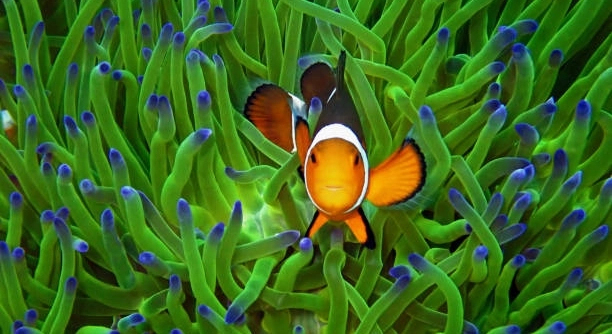
Clownfish are popular in home aquariums and marine biology alike. Their unique social structures and bright colors make them interesting to many. Understanding their group behaviors can reveal important insights about their natural lives and interactions.
Clownfish do not typically form trios. They usually live in hierarchical groups dominated by a breeding pair. Social structures are centered around a dominant female and a male mate, with other individuals often suppressed or removed to maintain this balance.
Exploring clownfish social behavior offers a clearer view of how these vibrant fish thrive in their natural coral reef environments.
Clownfish Social Structure
Clownfish live in groups with a clear hierarchy. At the top is the dominant female, the largest fish in the group. Below her is the breeding male, who is smaller but still important. The rest of the group consists of non-breeding males, which are even smaller. These smaller fish do not breed but help defend the territory and maintain social order. If the dominant female dies, the breeding male will change sex and become the new female. One of the non-breeding males will then become the breeding male. This system keeps the group stable and focused on reproduction. Clownfish are unique because they can change sex, which is rare in fish. This adaptation helps ensure their survival in competitive coral reef environments. Their social groups usually stay small, and adding extra fish often leads to aggression or removal of weaker members.
This strict hierarchy limits clownfish groups to pairs rather than trios. Only two fish breed at a time.
Living in pairs helps clownfish protect their sea anemone homes effectively. The relationship between the breeding pair and their host anemone is essential for survival and reproduction. Understanding this connection clarifies why clownfish do not naturally form larger breeding groups.
Why Trios Are Uncommon
Trios are not a natural part of clownfish social groups. Breeding pairs maintain their roles closely, and other males do not share breeding duties. Attempting to keep three clownfish together often causes stress and fighting.
When aquarium owners try to keep trios, dominant fish usually push the third out or cause harm. This is because clownfish protect their territory and breeding rights aggressively. The natural social balance favors only two breeders.
In coral reefs, space and resources are limited, so forming pairs maximizes reproductive success. Each breeding pair defends a single sea anemone, which serves as both a home and protection from predators. The mutual relationship between clownfish and their anemone means cooperation between two fish is most effective. Adding a third can upset this balance, leading to conflict and reduced breeding success.
Understanding these dynamics helps aquarists provide better care and prevent unnecessary stress in captive clownfish. Observing natural behaviors is key to maintaining healthy aquarium populations.
Managing Clownfish in Aquariums
Keeping clownfish in pairs is the safest approach. Providing each pair with their own space reduces conflict and stress. It’s important to watch for aggressive behavior when adding new fish to the tank.
Clownfish form strong bonds with their anemone hosts, which offer protection and a place to breed. When pairs are housed together, they usually maintain peace, but adding a third fish often disrupts this balance. The dominant fish may chase away or harm the newcomer. To prevent this, aquarists should ensure adequate hiding spots and monitor interactions closely. Introducing clownfish gradually helps them establish territory without unnecessary fights.
Proper tank setup supports natural behavior. A healthy anemone and sufficient space encourage peaceful pair bonding. Stress from overcrowding or competition can cause health problems and reduced breeding success. Keeping pairs separate is best for their well-being and aquarium harmony.
Signs of Stress in Clownfish Groups
Stress is common when clownfish live in overcrowded conditions or disrupted social structures. Signs include hiding, loss of color, or increased aggression. These behaviors indicate that the fish are uncomfortable.
Stress weakens the immune system and may lead to disease. Clownfish that are stressed might stop eating or show unusual swimming patterns. Observing these signs early can prevent serious health issues. Removing extra fish and ensuring proper water quality often reduces stress levels. Providing a calm environment with enough space helps clownfish maintain their natural behaviors. Regular tank maintenance and careful monitoring support healthier clownfish populations.
Avoid forcing unnatural groupings, as this increases stress and decreases lifespan. Clownfish thrive best in stable pairs with minimal disturbance.
Breeding Behavior of Clownfish
Clownfish breeding revolves around a dominant female and her mate. They lay eggs on flat surfaces near their anemone. The male usually guards and cares for the eggs until they hatch.
Eggs hatch in about 6 to 10 days, depending on water temperature. The male fans the eggs to keep them oxygenated and free from debris.
Why Clownfish Don’t Form Trios in Nature
Clownfish’s reproductive system is built around pairs. Only the dominant female and male breed, while others remain non-reproductive. This prevents competition within the group and maintains social stability.
Aquarium Setup for Clownfish Pairs
Providing a suitable host anemone and enough space is essential. Proper lighting and water flow also support clownfish health and breeding success.
Compatibility with Other Fish
Clownfish can coexist with other peaceful species if tank space is adequate. Aggressive fish should be avoided to prevent stress and injury.
FAQ
Can clownfish live happily in groups larger than two?
Clownfish naturally live in small social groups dominated by a breeding pair. Groups larger than two often lead to competition and aggression. Non-breeding individuals may be pushed out or harmed, which causes stress and reduces overall well-being. In aquariums, it is best to keep clownfish in pairs to mimic their natural social structure and ensure peace.
Why do clownfish change sex?
Clownfish are protandrous hermaphrodites, meaning they can change sex from male to female. This change happens when the dominant female dies or is removed. The breeding male then becomes female, and the largest non-breeding male takes over as the new breeding male. This system helps maintain reproductive stability within the group.
What happens if you try to keep three clownfish together?
When three clownfish are kept together, the social hierarchy becomes unstable. The dominant female and male will defend their status aggressively. The third fish often faces bullying or gets chased away. This can lead to injury or death, making trio setups risky and generally unsuccessful.
Do clownfish need anemones to survive?
While clownfish benefit greatly from their symbiotic relationship with sea anemones, they can survive without them in aquariums. Anemones provide protection and breeding sites, but in captivity, clownfish often adapt to other hiding places. However, providing an anemone improves their well-being and encourages natural behaviors.
How can I reduce aggression when introducing clownfish?
Introducing clownfish gradually and providing ample space helps reduce aggression. Make sure the tank has enough hiding spots and territory for each fish. Adding fish at the same time, rather than one after another, can also lower conflict chances. Monitoring their behavior closely is important to intervene early if problems arise.
Are all clownfish species social in the same way?
Most clownfish species share similar social structures, with a dominant breeding pair and non-breeding males below them. However, the size and behavior of groups can vary slightly depending on the species and environment. Researching the specific species you keep can help in understanding their social needs.
What should I do if one clownfish becomes aggressive?
If aggression appears, try to identify the cause. It may be due to overcrowding, lack of hiding spots, or stress. Increasing tank size, rearranging decorations, or separating the aggressive fish temporarily can help. Consistent monitoring and proper care improve social harmony over time.
How do clownfish care for their eggs?
The male clownfish takes most responsibility for egg care. He fans the eggs to supply oxygen and removes debris. This behavior continues until the eggs hatch, which usually takes about a week. This level of parental care increases the chances of survival for the offspring.
Can clownfish live with other fish?
Clownfish generally do well with peaceful, non-aggressive species. Avoid housing them with large or aggressive fish that may bully or stress them. Proper tank size and hiding places allow clownfish and other fish to coexist peacefully.
Is it possible for clownfish to breed in a community tank?
Breeding in a community tank is challenging because clownfish need space and low stress levels to reproduce successfully. Other fish may disturb the breeding pair or harm eggs. Providing a separate breeding tank often yields better results.
Clownfish are fascinating creatures with unique social behaviors that set them apart from many other fish. Their tendency to live in pairs rather than larger groups is based on their natural biology and social structure. This pairing system helps maintain balance within their community and ensures successful breeding. Understanding these natural tendencies is important for anyone interested in keeping clownfish, whether in aquariums or studying them in the wild. It explains why they do not form trios and why trying to force such groupings often leads to problems like aggression and stress.
Keeping clownfish in pairs allows them to live in a way that closely resembles their natural environment. The dominant female and her mate form a stable unit that works together to defend their territory and care for their young. This cooperation benefits both fish and supports healthy breeding patterns. Adding a third fish disrupts this balance and often results in conflict. For aquarium owners, recognizing this behavior is essential for providing proper care. By maintaining pairs and ensuring adequate space, hiding spots, and proper tank conditions, owners can help clownfish thrive and avoid unnecessary stress.
Overall, the natural behavior of clownfish highlights the importance of understanding species-specific needs in aquarium care. Clownfish do best when their social structure is respected, and their environment mimics what they experience in the wild. Pair bonding and territory defense are key parts of their lives. Observing these patterns helps promote healthier, more peaceful fish populations both in captivity and in natural habitats. For those interested in keeping clownfish, focusing on these aspects will lead to a more successful and rewarding experience.

Hello,
If you enjoy the content that we create, please consider saying a "Thank You!" by leaving a tip.
Every little bit helps us continue crafting quality advice that supports the health, happiness, and well-being of pets around the world, for pets of all shapes, sizes, and species.
We really appreciate the kindness and support that you show us!