
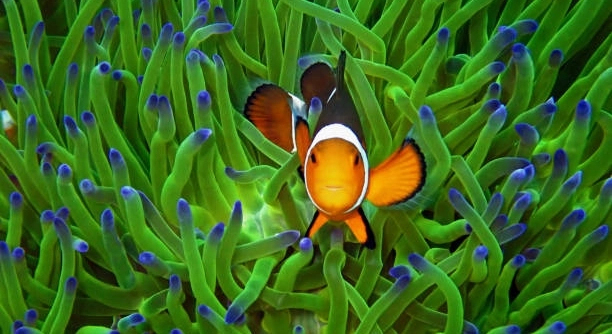
Clownfish are colorful fish often found in coral reefs. People often watch their movements and behavior in aquariums or the wild. Understanding how these fish respond to their surroundings can reveal interesting facts about their senses.
Clownfish can detect movement in their environment, but their ability to sense specific human movements is limited. They primarily respond to changes in light, water vibrations, and nearby motion rather than recognizing detailed human actions.
Exploring how clownfish sense movement helps us learn more about their behavior and interactions. This knowledge can improve care practices and deepen our appreciation of these unique fish.
How Clownfish Sense Movement
Clownfish rely mainly on their eyes and lateral line system to detect movement around them. Their eyes can pick up changes in light and shadow, which helps them notice when something moves nearby. The lateral line is a special sensory organ running along their sides. It detects vibrations and pressure changes in the water, allowing clownfish to sense movement even when they cannot see it clearly. This system is especially useful in the murky waters of coral reefs. However, their vision is not sharp enough to distinguish detailed shapes or recognize specific human movements. Instead, they respond to general disturbances in their environment, like sudden shifts or vibrations caused by swimming fish or other creatures. These sensory abilities help clownfish avoid danger and stay close to their protective anemones, ensuring their safety.
Clownfish do not have the visual ability to focus on individual human actions, but they respond to movement nearby.
Understanding these senses gives insight into how clownfish live and react in their habitat. Their reliance on vibrations and light changes rather than detailed vision highlights the importance of a calm environment for aquarium care. When humans approach slowly and avoid sudden movements, clownfish remain less stressed. This information can help aquarium owners create a better setting for these fish. It also explains why clownfish may seem alert but uninterested when watching people, as they notice presence but not specific actions. This simple sensory system supports their survival in complex reef environments, where quick reactions matter more than detailed recognition.
Human Movement and Clownfish Behavior
Clownfish respond more to general movement patterns than specific human gestures or motions.
When humans move near clownfish, the fish usually notice the change in water vibrations or shadows. These responses are automatic and not based on understanding human behavior. For example, when someone approaches an aquarium quickly, clownfish may dart into their anemone for safety. On the other hand, slow and calm movements tend to keep them relaxed. This shows how sensitive clownfish are to their surroundings but also how limited their perception is when it comes to detailed human actions. The way they react depends mostly on the intensity and speed of movement rather than what exactly is happening.
Because clownfish are adapted to their natural environment, their sensory systems focus on survival rather than recognizing humans. Their reactions to human presence can vary by individual fish and how often they are exposed to people. Some may become accustomed to human observers and show less fear over time. Others might stay more cautious. This behavior highlights the importance of respecting their space in aquariums and the wild. Understanding how clownfish perceive movement can help improve interactions and reduce stress, making it better for both fish and observers.
Movement Detection in Clownfish’s Natural Habitat
Clownfish detect movement mostly through water vibrations and changes in light around coral reefs. These cues help them stay alert to predators or prey nearby.
The reef environment is full of constant movement, so clownfish rely on their lateral line to sense pressure changes and vibrations in the water. This system allows them to detect the approach of other fish or sudden disturbances, even if they cannot see them directly. Their eyesight is adapted to recognize shapes and shadows rather than fine details, which suits the often dim or murky reef waters. This combination helps clownfish navigate safely among anemones and other reef creatures while avoiding threats.
Human movement near the reef creates vibrations that clownfish can sense, but these signals blend with many other natural disturbances. They respond primarily to sudden or strong vibrations that might signal danger. Because their sensory system is designed for survival in the reef, they do not distinguish humans specifically but react to the general presence of movement and change in their surroundings.
Impact of Aquarium Environments on Movement Perception
Aquarium settings differ greatly from natural habitats, which affects how clownfish perceive movement.
In aquariums, water movement is often controlled and less complex than in the wild. This can make clownfish more sensitive to any changes, such as a person walking by or tapping the glass. The limited space and clearer water mean vibrations and shadows stand out more, leading to noticeable reactions. Clownfish may become accustomed to regular human presence, reducing stress if movements are slow and predictable. However, sudden or rapid actions can still startle them. Understanding these differences helps aquarium owners create a calm environment by minimizing abrupt disturbances and allowing fish to feel secure. This promotes healthier behavior and reduces anxiety for clownfish living in captivity.
How Clownfish React to Human Movement
Clownfish mostly react to sudden water vibrations caused by movement nearby. Their responses include hiding or swimming away quickly.
These reactions are instinctive and help them avoid perceived threats. Slow and gentle movement usually causes less stress for the fish, allowing them to remain calm and comfortable in their environment.
Differences Between Wild and Captive Clownfish Behavior
Wild clownfish have more complex sensory input from their natural reef surroundings. Captive fish experience less variety in water movement, so they might react differently to human presence. In the wild, they have more space to escape threats, while in captivity, their options are limited. This changes how they respond to movement and stress.
Tips for Approaching Clownfish
Move slowly and avoid sudden gestures around clownfish. This helps keep them calm and reduces stress in both wild and aquarium settings.
FAQ
Can clownfish recognize individual humans?
Clownfish do not have the ability to recognize individual humans. Their vision and senses are tuned mainly to detect movement, light changes, and vibrations in water. They react to general disturbances but cannot identify specific people or their actions. Their responses are based on instinct rather than recognition.
How do clownfish sense movement underwater?
Clownfish rely on two main systems: their eyes and the lateral line. Their eyes detect changes in light and shadows, while the lateral line senses water vibrations and pressure changes. This combination helps them detect nearby movement even if it’s not directly visible.
Do clownfish get scared of humans?
Clownfish can become startled by sudden or fast movements near them, whether in the wild or in an aquarium. They often respond by quickly hiding in anemones or swimming away. However, calm and slow movements usually don’t cause stress.
Why do clownfish hide when I move near the tank?
Movement near the tank creates vibrations and shadows that clownfish detect. These signals can make them feel threatened, triggering a hiding response. It’s a natural survival reaction to possible danger in their environment.
Can clownfish get used to humans?
Yes, clownfish can become accustomed to frequent, gentle human presence, especially in aquariums. Regular slow movement and consistent feeding routines help reduce their fear. Over time, they may show less stress when people are nearby.
Does tapping on the glass bother clownfish?
Tapping creates strong vibrations and sudden noise, which can startle clownfish. This causes stress and may lead them to hide or behave nervously. It’s best to avoid tapping or making loud noises around their tanks to keep them comfortable.
Are clownfish more sensitive to movement in the wild or captivity?
Clownfish tend to be more sensitive in captivity because aquarium environments are smaller and quieter. This makes any movement or vibration stand out more. In the wild, the complex reef environment masks many disturbances, so their reactions can be less frequent.
What kind of movements do clownfish respond to?
They respond mostly to quick or strong water vibrations and sudden changes in light or shadows. Slow, smooth movements usually do not trigger a strong reaction. Their system is built to detect threats or nearby animals rather than detailed human gestures.
Can clownfish see in color?
Clownfish have color vision, but it is not as sharp as human sight. They use color to identify other fish, anemones, and predators, which helps with communication and survival in the reef.
How does the lateral line help clownfish?
The lateral line detects water pressure and vibrations caused by movement. This system helps clownfish sense nearby creatures or environmental changes even without clear vision, alerting them to potential danger or prey.
Do clownfish respond differently to men and women?
There is no evidence that clownfish respond differently based on human gender. Their reactions depend on movement, vibrations, and noise rather than who is nearby.
Can clownfish sense vibrations from far away?
The lateral line allows clownfish to detect vibrations over moderate distances underwater. However, its range is limited, so very distant movements usually go unnoticed.
Is it harmful for clownfish to be startled often?
Frequent stress from sudden disturbances can affect clownfish health and behavior. It may weaken their immune system and cause hiding or reduced activity. Minimizing sudden movements and noise helps keep them healthy.
How can I reduce clownfish stress in an aquarium?
Approach the tank slowly, avoid tapping on glass, and maintain a calm environment. Regular feeding and stable water conditions also help clownfish feel secure and less reactive to movement.
Do clownfish communicate movement to each other?
Clownfish may use body language and vibrations to signal danger or territory, but they do not communicate human movement specifically. Their responses are mostly individual reactions to the environment.
Are clownfish more active when humans are nearby?
Some clownfish may become more alert or curious when humans approach slowly. Others might hide or become still. Their activity depends on personality and past exposure to people.
Clownfish are interesting creatures with simple but effective ways of sensing the world around them. Their ability to detect movement mainly depends on their eyes and a special organ called the lateral line, which helps them feel vibrations in the water. This system works well in their natural habitat, the coral reef, where there is always a lot going on. They don’t recognize detailed shapes or specific human actions but instead respond to changes in light, shadows, and water movement. This helps them stay safe from predators and find their way around the reef. When it comes to humans, clownfish mainly notice general movement and disturbances but do not understand or focus on human behavior.
In aquarium settings, clownfish experience a different environment from their natural home. The water is clearer, the space is smaller, and movement is less complex. Because of this, clownfish may react more strongly to vibrations and shadows caused by people moving nearby. They tend to get startled by sudden or fast actions but feel calmer when movements are slow and predictable. Over time, some clownfish get used to regular human presence and show less fear. It’s important for aquarium owners to approach their fish gently and avoid sudden movements or noises that could stress the clownfish. Creating a peaceful environment helps the fish stay healthy and behave naturally.
Understanding how clownfish detect and respond to movement can improve how we care for them, both in the wild and in captivity. By recognizing their limits in vision and sensitivity to vibrations, we can avoid actions that cause unnecessary stress. This makes it easier to observe and enjoy clownfish without disturbing their natural behavior. Whether in an aquarium or ocean reef, clownfish depend on their senses to stay safe and comfortable. Respecting these needs helps maintain their well-being and allows us to appreciate these colorful fish in a way that supports their survival and happiness.

Hello,
If you enjoy the content that we create, please consider saying a "Thank You!" by leaving a tip.
Every little bit helps us continue crafting quality advice that supports the health, happiness, and well-being of pets around the world, for pets of all shapes, sizes, and species.
We really appreciate the kindness and support that you show us!