
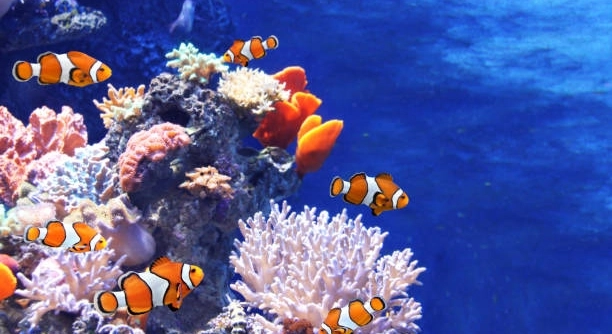
Clownfish are colorful and popular fish often seen in home aquariums. They live among sea anemones and are known for their bright orange color and white stripes. Many people wonder how these fish interact with other species around them.
Clownfish can form bonds with certain other species, especially sea anemones, which provide shelter and protection. Their relationships with other fish are generally limited and driven by survival rather than true social bonding.
Learning more about clownfish behavior can help aquarium owners create a healthier environment for them and their tank companions.
Clownfish and Sea Anemones
Clownfish are famous for their relationship with sea anemones. The anemones provide a safe place for clownfish to hide from predators, thanks to their stinging tentacles that other fish avoid. Clownfish have a special mucus on their skin that protects them from these stings, allowing them to live comfortably among the anemone’s arms. This relationship benefits both animals: the clownfish gets protection, and the anemone receives cleaning and improved water circulation from the fish’s movements. This bond is quite unique in the aquatic environment and shows how some species can rely on each other closely.
This connection is not just about safety but also about survival and mutual benefit.
Understanding this relationship helps clarify why clownfish often stay near anemones, rarely venturing far. Their bond is a practical one shaped by nature, not just chance companionship.
Clownfish and Other Fish Species
Clownfish usually keep to themselves when it comes to other fish. They may tolerate certain tank mates but do not form true social bonds with them. In the wild, clownfish are territorial and often aggressive toward intruders. In an aquarium, they can show aggression to fish that come too close to their anemone or personal space.
This behavior limits the type of fish that can live peacefully with clownfish.
Tank owners should choose companions that are not too competitive or aggressive to avoid conflicts. Species like damselfish or gobies can sometimes coexist without issues, but it depends on the environment and tank size. Proper research and observation are key to maintaining harmony in mixed-species tanks with clownfish.
Clownfish Communication
Clownfish communicate mainly through body movements and sounds. These signals help them establish territory and show dominance or submission.
The most common form of communication among clownfish involves rapid movements and fin gestures. For example, a clownfish might dart quickly or flap its fins to warn others or express aggression. They can also produce clicking or popping noises, especially during disputes or when protecting their anemone home. These sounds are not loud but important for interaction.
This communication is essential for maintaining their social structure, especially in confined spaces like coral reefs or aquariums. It helps avoid unnecessary fights and establishes clear boundaries between individuals. Understanding these signals can help aquarium owners recognize when their clownfish feel stressed or threatened.
Clownfish Behavior in Aquariums
Clownfish tend to behave differently in aquariums compared to the wild. They may become more territorial because of limited space and fewer hiding spots. In smaller tanks, this can increase aggression towards tank mates.
Because of this behavior, it’s important to provide plenty of space and decorations that mimic their natural environment. Including live rock and anemones helps clownfish feel secure and reduces stress. It’s also important to monitor their interactions closely, as some species or individual fish may not get along well. Regular observation allows timely adjustments to tank conditions or fish combinations. This care ensures a balanced and peaceful aquarium where clownfish can thrive alongside other species.
Clownfish Social Structure
Clownfish live in small groups with a clear hierarchy. The largest female leads, followed by a dominant male and smaller males.
If the female dies, the dominant male changes sex to become the new female. This unique system keeps the group stable and functioning.
Clownfish Adaptability
Clownfish can adjust to different environments but rely heavily on anemones for protection. Without anemones, they become vulnerable to predators and stress.
Compatibility with Other Species
Some fish species coexist well with clownfish if they have peaceful temperaments and do not compete for territory or food.
FAQ
Can clownfish bond with fish from other species?
Clownfish generally do not form true social bonds with other fish species. Their strongest connections are with sea anemones, which provide shelter and protection. While clownfish may tolerate certain peaceful fish nearby, their interactions with other species are mostly about coexistence, not bonding. Aggression can happen if other fish invade their territory.
Do clownfish get along with other aquarium fish?
Clownfish can live with other species if the tank is large enough and the fish are peaceful. Good companions include gobies, certain damselfish, and some tangs. Avoid overly aggressive or territorial fish, as clownfish may respond defensively. Proper tank setup, hiding spots, and careful monitoring are necessary to keep peace.
Why do clownfish live with sea anemones?
The relationship between clownfish and sea anemones is mutual. Anemones protect clownfish with their stinging tentacles, which clownfish resist thanks to a special mucus on their skin. In return, clownfish clean the anemone and improve water flow around it. This partnership helps both survive in the wild.
Can clownfish live without sea anemones?
Clownfish can survive without anemones but are more vulnerable to predators and stress. In aquariums, many keep clownfish without anemones by providing plenty of hiding places. However, the lack of anemones removes their natural protection and may affect their behavior.
How do clownfish communicate?
Clownfish communicate through body movements and sounds. They use quick darting motions, fin flaps, and soft clicking noises to establish dominance or warn others. These signals help maintain social order, especially in tight spaces like reefs or tanks.
Are clownfish aggressive?
Clownfish can be territorial and aggressive, especially toward fish that come close to their anemone or space. This behavior helps them defend their home and resources. In an aquarium, aggression may increase if the tank is too small or if tank mates are too competitive.
What is the social structure of clownfish groups?
Clownfish live in groups with a strict hierarchy. The largest female is the leader, followed by a dominant male and smaller males. If the female dies, the dominant male changes sex to become the new female. This system keeps the group stable and functional.
How do clownfish behave in captivity compared to the wild?
In captivity, clownfish may show more territorial behavior due to limited space. Providing decorations and hiding spots reduces stress and aggression. Tank size and the choice of tank mates strongly influence their behavior. Well-maintained tanks allow clownfish to exhibit more natural patterns.
What tank mates are best for clownfish?
Choose peaceful species that won’t compete aggressively for food or space. Gobies, blennies, and some tangs often do well with clownfish. Avoid large or highly territorial fish. Always observe interactions carefully and be ready to separate fish if problems arise.
Can clownfish bond with humans?
While clownfish do not bond like pets such as dogs or cats, they may become accustomed to their owners. They can recognize feeding routines and may react to movement outside the tank. This behavior shows some level of familiarity but not true bonding.
How do clownfish care for their young?
Male clownfish take care of the eggs after the female lays them on a flat surface near the anemone. The male fans the eggs to provide oxygen and guards them until they hatch. This parental care is important for the survival of the offspring.
What should I do if my clownfish is aggressive?
Try increasing tank size and adding hiding places to reduce stress. Check tank mates and consider removing overly aggressive fish. Sometimes, aggression decreases as the fish get used to their environment. Careful observation and adjustments help maintain harmony.
Do clownfish need special food?
Clownfish are omnivores and eat a variety of foods, including flakes, pellets, and frozen or live brine shrimp. A balanced diet supports their health and vibrant colors. Feeding small amounts several times a day is best to avoid overfeeding.
Can clownfish change sex?
Yes, clownfish are protandrous hermaphrodites. The dominant male can change into a female if the breeding female is lost. This adaptation helps maintain their social group and ensures reproduction continues smoothly.
What are signs of stress in clownfish?
Stress signs include hiding more than usual, loss of color, rapid breathing, and refusing food. Poor water quality, aggressive tank mates, or lack of shelter can cause stress. Monitoring water parameters and tank conditions helps keep clownfish healthy.
Clownfish are fascinating creatures known for their bright colors and unique relationship with sea anemones. This connection is the strongest bond they form, providing safety and shelter in the wild. While clownfish may live alongside other fish, their interactions with different species are mostly about sharing space rather than building real social bonds. Understanding how clownfish behave and communicate can help anyone who keeps them in an aquarium provide better care and a more peaceful environment.
In captivity, clownfish may act differently from how they do in the ocean. Their natural territorial behavior can become more noticeable because of the limited space in a tank. This sometimes leads to aggression toward other fish that get too close to their anemone or personal space. Providing enough room, decorations, and hiding spots helps reduce this behavior. Choosing compatible tank mates is also important. Peaceful fish that don’t compete for territory or food tend to live more harmoniously with clownfish. Watching your fish closely allows you to notice any stress or conflict early, so you can take steps to improve their living conditions.
Clownfish are interesting not only for their colorful appearance but also for their social structure and adaptability. Their ability to change sex helps maintain stability in their groups, and their communication through movements and sounds keeps order among themselves. While clownfish do not bond with other species the way some animals might, their relationships are still meaningful in the context of survival and coexistence. For anyone interested in these fish, learning about their habits and needs is key to helping them thrive, whether in the ocean or in an aquarium.

Hello,
If you enjoy the content that we create, please consider saying a "Thank You!" by leaving a tip.
Every little bit helps us continue crafting quality advice that supports the health, happiness, and well-being of pets around the world, for pets of all shapes, sizes, and species.
We really appreciate the kindness and support that you show us!