
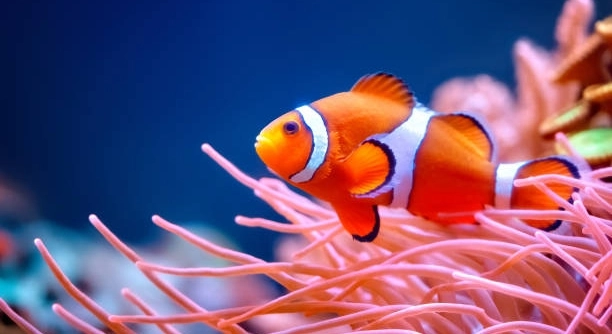
Do you ever find yourself wondering if clownfish can still be territorial even when they don’t have a host anemone nearby?
Clownfish can exhibit territorial behavior even without a host anemone. In the absence of a host, they may claim and defend areas like rocks, coral, or artificial structures within their environment, especially in confined spaces like aquariums.
Understanding how clownfish behave without a host helps clarify their instincts and what shapes their territorial habits in different environments.
Why Clownfish Still Guard Space Without a Host
Clownfish are known for their close bond with sea anemones, but they don’t lose their instincts when one isn’t around. In captivity or natural reef areas without hosts, clownfish still choose a spot to protect. This behavior is often seen when space is limited or when other fish come too close. They may chase, nip, or show signs of aggression to warn others away. Territorial habits help them feel secure and in control of their environment, especially when resources or shelter are limited. Even without their usual host, they rely on strong instincts to defend space that they’ve marked as their own.
This behavior becomes even more obvious in aquariums, where space is smaller and social dynamics are more intense.
Clownfish may choose rocks, fake coral, or tank decorations as substitutes for their host. Once they settle on a spot, they become very protective, especially if other fish swim near or invade their space. This behavior can be misunderstood as aggression, but it’s a natural response rooted in their instincts. Clownfish are used to defending what they see as “home,” and they carry that behavior into any setting. Observing this behavior helps explain how their territorial drive is not entirely dependent on the presence of a sea anemone.
Factors That Influence Territorial Behavior
Tank size, fish population, and available hiding spots can all increase territorial behavior in clownfish. These factors play a big role in how they react without a host.
In smaller aquariums, limited space makes it easier for clownfish to feel crowded or threatened. When there’s not enough room to spread out, they often pick a specific area and try to keep it for themselves. This can lead to aggressive interactions with tank mates, especially if those fish venture into the clownfish’s claimed space. A crowded environment with few hiding spots increases stress, which also encourages defensive behavior. On the other hand, in larger tanks with more structures or decorations, clownfish are more likely to settle in a spot peacefully. Gender and dominance also influence how territorial they become. Female clownfish, being larger and dominant, are usually more assertive in guarding their space. Clownfish are social, but their social structure is very clear—dominance matters. Understanding these factors can help you manage tank behavior and support a calmer, healthier setup for your fish.
How Host Absence Shapes Clownfish Behavior
Without a host, clownfish rely on nearby structures to feel secure. They often select one area and behave as if it’s their territory, defending it from others. This response is part of their natural instinct, not a learned behavior.
In tanks or open reef zones lacking sea anemones, clownfish may turn to alternative shelters such as coral fragments, artificial decor, or even water filters. Once a location is chosen, they stay close and guard it regularly. You might notice them chasing other fish that enter their chosen space or becoming more active when movement is nearby. This is their way of maintaining control. These behaviors are not signs of distress but reflect how adaptable they are. The lack of a host doesn’t remove their need for security. Instead, they shift focus to whatever offers protection or structure in their surroundings.
Their territorial behavior can also intensify if they’ve recently been moved or introduced into a new tank. Changes in environment heighten their need to establish a safe space quickly. If several clownfish are introduced at once, competition for space may lead to more aggressive behavior, especially in smaller tanks. Adding extra decorations or hiding spots can help reduce tension by giving each fish more room to claim.
Differences Between Wild and Captive Settings
In the wild, clownfish usually stay within a few meters of their host and rarely roam far. Without a host, their movements become wider, and they may interact with other species more frequently.
Captive settings change how clownfish behave without a host. In a tank, the lack of natural predators and reduced space encourages clownfish to adapt their habits. They may become more defensive or bold, especially when other fish are present. Over time, they can associate fixed objects in the tank—like decorations or filter pipes—with safety. Their behavior in captivity tends to be more exaggerated, since there’s no natural reef balance to guide them. Female clownfish often take the lead in marking territory, while males stay close. The difference is especially noticeable in breeding pairs, who may become extremely protective of their chosen spot. Providing variety in tank layout helps reduce stress and allows natural behaviors to emerge in healthier ways.
Observing Their Behavior Over Time
Over time, clownfish tend to become more confident in their claimed space, especially if nothing threatens them. You may notice patterns in how they patrol or return to a specific spot after brief swims.
Behavior may shift if tank mates are added or removed. A peaceful clownfish might become aggressive, or vice versa. Watching these changes can help you understand how their environment shapes their actions.
Managing Territorial Behavior in Tanks
To reduce territorial stress, make sure your tank has plenty of hiding spots and open swimming areas. Adding rock formations, artificial caves, or plants gives clownfish more options for personal space. This helps lower aggression and prevents one area from becoming too valuable or heavily defended. It’s also important to avoid overcrowding. Keeping the fish-to-space ratio balanced reduces tension and encourages more natural social interactions. If possible, introduce clownfish at the same time so no one has an advantage in claiming space. When behavior becomes too aggressive, rearranging the tank layout can help reset territories. Consistent observation helps spot early signs of stress before they turn into bigger problems.
When Aggression Becomes a Concern
If aggression becomes constant or disrupts tank harmony, you may need to isolate the dominant clownfish or change the environment to ease tension.
FAQ
Can clownfish survive without a host anemone?
Clownfish can survive without a host anemone, especially in captivity. While they have a natural relationship with sea anemones, clownfish are adaptable and often use alternative shelters like rocks, coral, or artificial decorations. Their survival depends on having a safe environment and proper care.
Why do clownfish become territorial without a host?
Territorial behavior in clownfish is driven by instinct to protect a safe area. Without a host, they claim other parts of their environment to feel secure. Defending these spaces helps them reduce stress and maintain control in unfamiliar or crowded settings.
Do clownfish need a host anemone to breed?
While clownfish commonly lay eggs near their host anemone, they do not absolutely require one to breed. In captivity, clownfish have been known to spawn on flat surfaces like tank glass or rocks. However, having a host provides protection for eggs and young fry, which improves breeding success.
How can I reduce aggression among clownfish in my tank?
Providing plenty of hiding spots and space is essential. Use decorations like caves and plants to create separate areas. Avoid overcrowding and introduce clownfish simultaneously when possible. Rearranging tank layouts can also help reset territorial claims and reduce conflicts.
Is it normal for clownfish to chase other fish without a host?
Yes, this is normal. Without a host to anchor their territory, clownfish may guard other areas and chase intruders away. This behavior is natural and shows they are protecting what they see as their space.
Will clownfish become less aggressive if I add a host anemone?
Adding a host anemone often reduces territorial aggression because clownfish feel safer and more settled. The anemone acts as a protective home base, which lowers stress and the need to defend other parts of the tank.
Can clownfish live with other fish if there is no host?
Clownfish can live peacefully with other fish if the tank is large enough and well-decorated. Without a host, territorial behavior might increase, so providing space and hiding places is key. Careful selection of tank mates also reduces aggression.
How long does it take for clownfish to claim territory without a host?
It usually takes a few days to a week for clownfish to settle and start defending a chosen area. This period depends on tank size, environment, and how many other fish are present. Early observation helps manage any signs of excessive aggression.
Are some clownfish species more territorial without a host than others?
Yes, some species like the Ocellaris clownfish tend to be more territorial, while others may be more peaceful. Individual personality and tank conditions also affect behavior. Knowing your species helps prepare for their territorial tendencies.
What signs show that clownfish are stressed from territorial disputes?
Signs include constant chasing, nipped fins, hiding excessively, or loss of appetite. Stress can lead to weakened immune systems and illness. If these behaviors persist, consider adjusting tank conditions or separating aggressive individuals.
Can clownfish adapt to tanks without any natural structures?
Clownfish can adapt, but tanks without natural or artificial structures increase stress and aggression. Providing objects like rocks or décor offers shelter and helps mimic a natural environment, which improves overall well-being.
Is it safe to keep multiple clownfish without hosts in a small tank?
Keeping multiple clownfish without hosts in a small tank often leads to increased aggression due to limited space. If multiple fish are kept, it’s important to provide enough room and hiding spots to minimize conflict.
How do clownfish choose a substitute territory without a host?
They tend to pick areas that offer shelter or cover, such as caves, crevices, or tank decorations. The spot usually provides protection from current or other fish and feels secure to the clownfish.
Does removing a host anemone from a tank cause stress for clownfish?
Removing a host anemone can cause temporary stress as clownfish lose their safe home base. However, they usually adjust by finding new shelter within the tank if it is properly equipped with hiding spots.
What is the best way to introduce clownfish to a tank without a host?
Introduce clownfish slowly and provide plenty of decorations to claim as territory. Adding fish at the same time reduces dominance struggles. Monitor behavior closely during the first week to manage any aggression.
Can territorial behavior affect clownfish health?
Yes, prolonged stress from fighting or defending territory can weaken clownfish, making them prone to disease. Maintaining a balanced environment with enough space reduces stress and supports their health.
Do juvenile clownfish behave differently without a host compared to adults?
Juvenile clownfish tend to be less territorial and more exploratory. Adults are more likely to claim and defend territory. Providing enough space helps juveniles develop without constant conflict.
Are there alternatives to sea anemones that help clownfish feel secure?
Yes, artificial hosts and decorations like silicone anemones or soft coral replicas can provide comfort. While not perfect replacements, these alternatives help reduce stress and territorial aggression.
How important is water quality in managing territorial clownfish behavior?
Water quality is crucial. Poor conditions increase stress and aggression. Keeping stable, clean water supports calm behavior and overall health, reducing territorial disputes.
Can clownfish share a host anemone in captivity?
Clownfish often share a host anemone, especially a bonded pair and their offspring. However, multiple unrelated clownfish may compete for the same host, increasing aggression. Proper tank management can minimize conflicts.
Clownfish are known for their strong connection with sea anemones, but their behavior does not solely depend on having a host. Even without a sea anemone nearby, clownfish continue to show territorial instincts. They look for other safe places like rocks, coral, or decorations to claim as their space. This natural behavior helps them feel secure and control their environment. Whether in the wild or in captivity, clownfish rely on these instincts to survive and adapt. Understanding this helps explain why they still act territorial even when their usual host is absent.
In tanks without a host anemone, providing enough space and hiding spots is very important. When clownfish do not have their typical shelter, they may become more aggressive toward other fish. This is because they feel the need to protect whatever area they choose as their new home. Adding decorations, plants, and caves can help spread out the fish and reduce conflicts. It also gives clownfish multiple places to explore and claim, which lowers stress and improves their well-being. Tank size and fish population also affect behavior, so it is helpful to keep the tank balanced and not overcrowded.
It is normal for clownfish to adapt their behavior based on their environment. They show resilience by finding new ways to stay safe when conditions change. Their territorial nature is part of their survival strategy, and it remains active even without a host anemone. Watching how clownfish behave in different settings can give valuable insight into their needs and instincts. Careful tank management and observation are key to creating a healthy, peaceful environment for clownfish. By understanding their territorial habits, it is possible to support their health and happiness, regardless of whether a host anemone is present.

Hello,
If you enjoy the content that we create, please consider saying a "Thank You!" by leaving a tip.
Every little bit helps us continue crafting quality advice that supports the health, happiness, and well-being of pets around the world, for pets of all shapes, sizes, and species.
We really appreciate the kindness and support that you show us!