
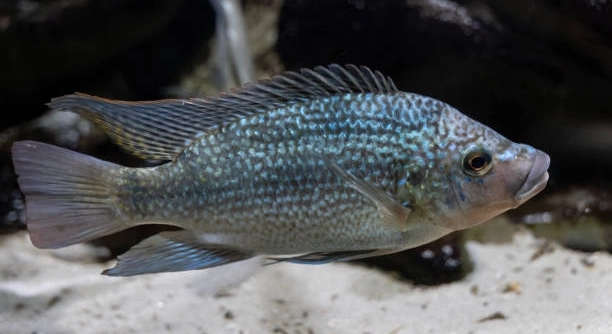
Do your cichlids seem less active even though their environment hasn’t changed? Many fish owners face similar concerns about tank enrichment.
Cichlids can become bored in a static environment due to their high intelligence and active nature. Without stimulation, they may show signs of stress or aggression. Environmental variety helps keep them mentally and physically engaged, improving overall well-being.
Understanding how routine changes affect your cichlids can help you create a healthier, more enriching space for them to thrive.
Why Boredom Happens in Cichlids
Cichlids are naturally curious and intelligent fish. In the wild, they explore shifting environments, hunt for food, and interact with a wide variety of surroundings. In captivity, tanks rarely change, and over time, this lack of mental and physical stimulation can affect their behavior. Boredom in fish may not be obvious, but it often shows through repetitive swimming, digging without purpose, or aggression toward tankmates. These signs may suggest they are not being mentally challenged. When nothing changes in their tank, cichlids may start to show stress or even develop health issues linked to inactivity. Enrichment is important, just as it is for any pet. Creating an environment that mimics their natural habitat helps them feel more engaged. Including a mix of hiding spots, objects to explore, and occasional rearrangements can support their active minds and keep them healthy and alert. Simple changes can make a real difference.
A lack of stimulation can trigger restlessness. Even if the water is clean and balanced, the tank may still feel lifeless to them.
Cichlids enjoy having a purpose. Rearranging rocks or defending territory gives them structure. Without that, their energy builds up with nowhere to go. Simple updates like new plants, moving décor, or adding tank mates (when appropriate) can help renew their interest in the environment.
How to Keep Cichlids Stimulated
Fish need more than clean water and proper food. For cichlids, variety matters. Providing an engaging space helps prevent stress and aggression.
Start by introducing features that add interest to the tank without disrupting its stability. You can rotate tank decorations every few weeks, shift hiding spots, or add safe items like clay pots or floating plants. Feeding can also be more interactive. Use food that encourages foraging behavior, such as live or frozen treats that move, or sinking pellets placed in different spots. This encourages natural hunting instincts. Another option is to divide the tank into zones with different textures or colors to keep their surroundings fresh. Some cichlids also respond well to visual stimulation outside the tank, like a gentle change in room lighting or movement near the glass. Just be sure changes don’t stress them. Each species has its preferences, so observe how your fish respond and adjust accordingly. Balance is key: too much change at once can overwhelm them.
Signs Your Cichlids May Be Bored
Cichlids may start pacing the tank, showing repetitive swimming patterns, or spending more time hiding than usual. These behaviors often signal boredom or stress, especially if water quality and health have already been ruled out as issues.
When cichlids are under-stimulated, they may become aggressive or territorial even in calm conditions. You might notice increased chasing or nipping at tank mates, which could be their way of releasing excess energy. Some may dig excessively or constantly rearrange the substrate, showing signs of restlessness. A once-social fish that suddenly becomes withdrawn can also be reacting to a dull environment. Watch for changes in their daily habits or feeding behaviors. If they seem disinterested in food or ignore other fish, it might mean they’re mentally disengaged. Paying close attention to these changes can help you act early and adjust their tank setup before it affects their health.
Behavioral shifts like sudden aggression, lack of appetite, or aimless swimming often point to emotional changes in your cichlids. When stimulation is lacking, their natural curiosity fades. A bored cichlid may stop engaging with its surroundings and spend more time hiding or staying still. These signs are subtle but important to notice. While water parameters and health should always be checked first, behavior changes without a clear cause are often linked to environment. It doesn’t take major problems to affect them—routine and stillness can be enough. Making small adjustments to their space or activity level can prevent boredom from setting in and help them stay alert and active.
Simple Enrichment Ideas for Their Tank
Try placing new objects inside the tank like smooth rocks, driftwood, or tunnels. Switching these out once or twice a month adds novelty. Cichlids enjoy interacting with their environment, and rotating items keeps them alert and engaged.
Another easy change is shifting décor placement during water changes. Moving structures around creates new territories, which some cichlids actively defend or explore. Adding floating plants or different substrates in part of the tank creates variety without needing more equipment. Feeding practices can also be enriched. Try feeding at different times of day or placing food in hard-to-reach spots to mimic natural foraging behavior. You can even freeze food in small ice cubes to make feeding more interactive. If the tank size allows, adding peaceful species or a compatible cichlid can boost activity and social engagement. All of these ideas are low effort but help reduce boredom and improve overall tank health.
How Often to Change Things Up
Changing tank décor every two to four weeks helps keep your cichlids interested without causing stress. Too many changes at once can overwhelm them, so rotate items slowly and give them time to adjust.
Avoid moving everything at once. Instead, change one or two features at a time. This keeps the tank fresh while maintaining a sense of stability for your fish.
Mistakes to Avoid with Enrichment
Avoid adding sharp or unstable decorations that could injure your cichlids. Always rinse new items before placing them in the tank to remove any residue. Don’t overcrowd the tank with too many objects, as this can limit swim space and increase stress. Avoid frequent, full rearrangements—these disrupt established territories. Feeding enrichment should also be monitored; don’t overfeed or rely on high-fat treats. Not all fish enjoy mirrors or toys, so pay attention to how your cichlids react. Most importantly, avoid introducing incompatible tank mates just for stimulation. It’s better to focus on safe, manageable changes that encourage healthy behavior and suit your specific species.
Final Tip on Creating Balance
Enrichment works best when paired with consistency. Keep lighting, feeding times, and water quality stable while making small, thoughtful changes to their surroundings.
FAQ
Can cichlids get bored if their tank is too small?
Yes, a small tank limits swimming space and exploration, which can increase boredom and stress. Cichlids are active fish that benefit from enough room to swim freely and establish territories. A cramped tank can lead to frustration, aggressive behavior, and reduced activity. Ideally, the tank size should match the species’ needs and the number of fish kept. Providing extra space allows cichlids to move naturally and explore their environment, helping reduce signs of boredom.
How can I tell if my cichlid is bored or sick?
Distinguishing boredom from illness can be tricky since both affect behavior. Bored cichlids often show repetitive movements, aggression, or withdrawal without physical symptoms like spots, bloating, or fin damage. Sick fish typically have visible signs such as faded color, labored breathing, or abnormal swimming patterns. If behavior changes come with health symptoms, it’s best to test water quality and consider treatment. When no illness signs are present, behavioral issues are often linked to environmental factors like boredom or stress.
Is it okay to keep multiple cichlids together for stimulation?
Yes, many cichlids are social or territorial and interact well with others of their kind. However, overcrowding can cause aggression and stress, so proper tank size and compatible species are important. Grouping fish carefully can encourage natural behaviors like establishing territories and social hierarchies, which helps reduce boredom. Always research species compatibility and monitor interactions closely to prevent harm. Adding tank mates can provide mental stimulation if managed carefully.
Will rearranging the tank too often stress my cichlids?
Frequent or drastic changes can cause stress by disrupting territories and familiar landmarks. Cichlids rely on their environment to feel secure, so sudden shifts may lead to hiding or aggression. Changing one or two decorations every few weeks allows gradual adjustment without overwhelming them. Balance between novelty and stability is key. Small, spaced-out changes refresh the environment without causing confusion or anxiety.
Can feeding routines affect boredom?
Yes, feeding plays a big role in keeping cichlids engaged. Offering food at the same spot or time daily can become boring. Vary feeding times, use different types of food, and place food in different tank areas to encourage natural foraging and hunting behavior. Interactive feeding, like frozen or live treats, adds stimulation. Overfeeding should be avoided to prevent health issues. Feeding enrichment helps mimic natural behaviors and keeps fish mentally active.
Are mirrors or toys good for cichlid stimulation?
Mirrors can cause aggression by making fish think there’s a rival, which may stress some cichlids. Some species might benefit briefly, but it’s not recommended as a long-term solution. Toys or objects that cichlids can explore or move are safer and more effective. Driftwood, rocks, plants, and tunnels provide interest and shelter. Focus on items that encourage natural behavior without causing stress or injury.
How can lighting affect my cichlid’s behavior?
Consistent lighting supports their daily rhythm and reduces stress. Sudden changes or flickering lights can startle or confuse fish. Adjusting light intensity or color slowly can create variety without disruption. Natural daylight cycles are beneficial, so using timers to simulate dawn and dusk can improve activity patterns. Lighting changes should be subtle and gradual to maintain comfort while offering gentle stimulation.
Is it necessary to add live plants for enrichment?
Live plants provide hiding spots, improve water quality, and offer a natural environment that cichlids enjoy. Some species nibble or dig around plants, which mimics natural behavior. Plants also add visual interest and encourage exploration. However, not all cichlids tolerate plants well; some may uproot or eat them. Choose hardy plant species or artificial alternatives if needed. Plants are a valuable but optional part of enrichment depending on your fish’s preferences and tank setup.
Can I use scents or water changes to stimulate cichlids?
Introducing new scents is not a common method for stimulating cichlids since their sense of smell is limited compared to mammals. However, regular water changes improve water quality, which supports healthy behavior and reduces stress. Clean water encourages natural activity, so maintaining good water conditions is essential for mental and physical health. Gradual water changes can refresh their environment without shocking them.
How important is tank maintenance for preventing boredom?
Tank maintenance is critical. A clean, well-filtered tank with stable parameters creates a healthy environment where cichlids can thrive. Poor water quality causes stress, which can worsen boredom symptoms and lead to illness. Regular cleaning, water testing, and monitoring conditions support active, curious fish. Maintenance doesn’t directly reduce boredom but creates the foundation for good health and behavior, enabling enrichment efforts to be more effective.
Cichlids are intelligent and active fish that need more than just clean water and food to stay healthy. When they live in the same environment for a long time without changes, they can become bored. This boredom may lead to changes in behavior, such as restlessness, aggression, or withdrawal. It is important to recognize these signs early to help keep your cichlids mentally and physically stimulated. By paying attention to their behavior and environment, you can create a better space that encourages natural activity and reduces stress.
Making small, gradual changes to the tank can make a big difference. Simple steps like rearranging decorations, adding hiding spots, or introducing new objects help keep the environment interesting. Feeding routines can also be varied to encourage natural foraging and hunting instincts. It is important to balance change with stability, so cichlids don’t feel overwhelmed by sudden or frequent shifts. This balance helps maintain a secure environment while providing enough stimulation to keep them engaged.
Good tank maintenance is also a key part of supporting your cichlids’ well-being. Clean water, stable temperature, and proper filtration create the foundation for a healthy fish habitat. When these basics are in place, enrichment efforts are more effective because your cichlids feel safe and comfortable. Overall, preventing boredom in cichlids is about observing their needs and making thoughtful adjustments. With care and attention, you can help your fish lead a happier, more active life in their aquatic home.

Hello,
If you enjoy the content that we create, please consider saying a "Thank You!" by leaving a tip.
Every little bit helps us continue crafting quality advice that supports the health, happiness, and well-being of pets around the world, for pets of all shapes, sizes, and species.
We really appreciate the kindness and support that you show us!