
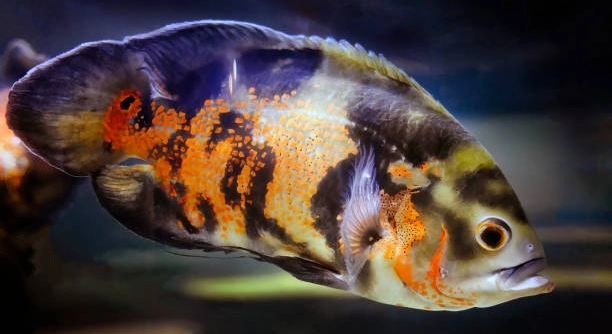
Do you ever notice your cichlids swimming in circles or hiding more than usual in their tank? Observing their daily routines can make you wonder how much their environment affects their behavior and overall mood.
Cichlids can experience reduced stimulation in minimal tanks, which may lead to boredom or stress. Providing varied decorations, hiding spots, and opportunities for exploration is essential to maintain their mental and physical well-being.
Understanding how tank setup influences behavior can help ensure your cichlids stay active, healthy, and engaged in their environment.
Why Minimal Tanks Affect Cichlid Behavior
Cichlids are naturally active fish that thrive in environments offering variety and stimulation. In a bare or minimal tank, they quickly run out of things to explore, which can make them appear listless or less curious. Their territorial instincts may also be affected since they lack spaces to hide, claim, or patrol. Rocks, plants, and decorations provide not only physical structures but also mental challenges that encourage natural behaviors. Without these, cichlids may pace the same areas repeatedly, which can increase stress levels and reduce overall health. Even minor environmental changes, like adding a small cave or a cluster of plants, can significantly improve their activity. Over time, minimal tanks can subtly impact their coloration, appetite, and social interactions. Observing these changes early allows owners to adjust the setup before behavior or health issues become serious. A thoughtful environment keeps them lively and more comfortable.
Cichlids need complexity in their tank to feel secure and stay active.
Even simple additions like rocks, driftwood, or artificial plants can create hiding spots and stimulate natural behavior, keeping fish engaged and reducing stress over time.
Signs Your Cichlids Are Bored
A lack of energy, constant hiding, or repeated swimming patterns are common indicators of boredom.
Bored cichlids may also ignore feeding routines or show less interest in interacting with their tank mates.
Behavior changes in minimal tanks can be subtle at first, but consistent observation reveals patterns. Pacing along the same paths, frequent hovering in open areas, or clinging to one corner of the tank may signal insufficient stimulation. Aggressive interactions may increase if fish compete for limited spaces, or some may become withdrawn. Adjusting the environment with varied textures, structures, and objects encourages exploration and helps reestablish natural behaviors. Even small changes, like adding a new rock formation or rearranging decorations, can make a noticeable difference in activity levels. Tracking how your fish respond to these adjustments helps determine which setups best meet their mental and physical needs. Providing these elements supports healthier, more vibrant, and less stressed cichlids in the long term.
Enriching Minimal Tanks
Adding decorations like rocks, caves, and plants helps cichlids feel secure and active. These elements encourage exploration and give them areas to hide, rest, and claim as territory.
Simple changes can make a big difference. Rearranging decorations or adding new textures stimulates curiosity and reduces stress. Cichlids will explore more, show brighter colors, and interact better with tank mates. Even small caves or clusters of plants provide opportunities for natural behaviors like hiding, foraging, and defending territory. Without these, fish may become inactive, stressed, or overly aggressive. Regularly updating tank elements keeps the environment dynamic, maintaining their mental and physical health.
Variety is key. Switching positions of rocks or adding floating plants encourages movement and exploration. Cichlids respond well to subtle changes that mimic natural habitats, keeping them engaged and reducing repetitive or bored behaviors. A minimal tank can quickly feel empty, but thoughtful enrichment makes it lively and interesting.
Monitoring Cichlid Behavior
Tracking daily routines helps spot signs of boredom early. Note swimming patterns, feeding response, and interactions with other fish.
Behavior changes can be subtle. Some cichlids may pace, hover in corners, or hide more often. Others might ignore food or show aggression toward tank mates. Recording these patterns over time helps identify if the environment lacks stimulation or if adjustments are needed. Observing their reaction to new decorations, rearranged rocks, or added plants indicates which changes successfully reduce boredom and improve activity levels. Keeping a simple log of behavior can guide decisions, ensuring a healthier, more engaging tank setup for long-term well-being.
Providing Mental Stimulation
Introducing new textures, plants, or small decorations encourages cichlids to explore. Even minor changes can spark curiosity and reduce repetitive behavior in minimal tanks.
Interactive items like floating plants or gentle water currents give them challenges, keeping their environment engaging and supporting natural instincts over time.
Feeding as Enrichment
Varying feeding techniques adds stimulation. Scattering food or hiding treats among decorations encourages foraging and movement. It mimics natural hunting behaviors, preventing boredom. Offering different types of food also keeps cichlids interested and mentally active, ensuring they remain healthy and engaged with their tank environment rather than becoming passive or lethargic.
Observing Social Interactions
Watching how cichlids interact with each other provides insight into their engagement level. Changes in aggression, territory disputes, or withdrawal often indicate boredom or stress. Regularly noting these behaviors helps in making timely adjustments to the tank’s layout or enrichment strategies.
FAQ
Can cichlids get bored in small tanks?
Yes, cichlids can experience boredom in minimal or small tanks. Limited space reduces exploration and interaction, causing repetitive swimming patterns or increased hiding. Even subtle signs, like ignoring food or appearing listless, can indicate a lack of mental stimulation. Adding decorations, plants, and varied terrain helps them stay active and engaged.
What are the signs of a bored cichlid?
Common signs include constant pacing, hovering in one area, hiding frequently, or reduced interest in food. Aggression toward other fish may increase if they feel confined. Changes in coloration or lethargy can also signal boredom. Observing daily routines helps identify these issues early.
How can I make a minimal tank more interesting?
Introduce rocks, caves, or artificial plants to create hiding spots and encourage exploration. Rearranging existing decorations occasionally adds novelty. Floating plants or gentle currents offer additional stimulation. Even small adjustments mimic natural habitats, keeping fish mentally active.
Does tank size alone affect boredom?
Tank size plays a role, but complexity matters more. A larger tank with minimal structures may still lead to boredom, while a smaller tank with varied hiding places and enrichment can keep cichlids engaged. Balancing space and environmental complexity is key.
Are there benefits to adding live plants?
Live plants provide cover, foraging areas, and natural textures. They help cichlids feel secure while encouraging exploration. Plants also improve water quality by absorbing nitrates and oxygenating the water, contributing to healthier and less stressed fish.
How often should I change decorations or add new elements?
Small changes every few weeks are sufficient. Rearranging rocks, adding new hiding spots, or introducing different textures maintains curiosity without causing excessive stress. Observing how fish respond to changes helps determine the best approach.
Can feeding routines reduce boredom?
Yes, feeding can be a form of enrichment. Scattering food, hiding treats, or offering varied diets encourages natural foraging behaviors. This keeps cichlids active, mentally stimulated, and engaged with their environment.
Do cichlids interact differently when bored?
Bored cichlids may show increased aggression, territorial disputes, or withdrawal. Social dynamics often change, especially in minimal tanks where space is limited. Providing adequate hiding spots and enrichment reduces tension and promotes healthier interactions.
Is water movement important for mental stimulation?
Moderate water currents can create environmental variety and encourage swimming. Gentle pumps or aeration help simulate natural habitats, giving cichlids challenges while preventing stagnation. This subtle change can improve activity levels and engagement.
Will adding toys or objects help?
Yes, non-toxic objects, floating items, or textured surfaces offer curiosity-driven exploration. These elements encourage climbing, hiding, and investigating behaviors, reducing repetitive movements and keeping cichlids more active over time.
Can multiple cichlids in one minimal tank increase boredom?
Crowding can increase stress and aggression rather than prevent boredom. Without adequate space or hiding spots, multiple fish may compete for territory, making the environment less stimulating and more stressful. Carefully planned enrichment is essential for group tanks.
How do I know if my changes are effective?
Observe activity levels, coloration, feeding habits, and social behavior. If cichlids explore new areas, show interest in food, or display natural behaviors like hiding and patrolling, the enrichment is working. Adjustments should improve both mental and physical health gradually.
Are there risks to over-enriching a tank?
Too many objects can reduce swimming space or create aggressive zones. Balance is important: enough structures to stimulate curiosity but not so much that fish feel trapped or overwhelmed. Regular monitoring ensures the environment remains beneficial and safe.
Can boredom affect health?
Yes, prolonged boredom can increase stress, reduce appetite, and weaken immunity. Physically, it may lead to slower growth, faded colors, or erratic swimming. Mental stimulation supports overall well-being, making enrichment critical for a healthy tank.
Do all cichlid species react the same to minimal tanks?
Different species have varying activity levels and territorial instincts. Some are naturally more curious and need more stimulation, while others tolerate simpler setups. Researching species-specific behaviors ensures the tank meets their environmental and social needs.
Can simple changes make a big difference?
Even minor additions like a small cave, a plant cluster, or a rearranged rock formation can spark exploration and improve activity. Subtle environmental adjustments often have noticeable effects on mood, engagement, and overall health of cichlids.
Is boredom in cichlids reversible?
Yes, with proper enrichment, adjusted tank layouts, and engaging feeding practices, previously bored cichlids often regain activity, coloration, and natural behaviors. Consistent observation and small, thoughtful changes are key to reversing the effects of minimal environments.
How can I plan an enriched tank from the start?
Start with varied substrate, rocks, hiding places, and plants. Include open swimming areas and interactive elements. Planning zones for exploration, territory, and resting ensures cichlids remain engaged, healthy, and active, preventing boredom before it begins.
Does tank lighting affect stimulation?
Lighting affects visibility, plant growth, and fish activity. Natural or adjustable lighting creates contrast and encourages movement. Dim or uneven lighting may reduce exploration, while well-planned lighting enhances engagement with the environment.
Are behavioral changes always due to boredom?
Not always. Illness, water quality, or stress from tank mates can mimic boredom. Rule out health or environmental issues before assuming behavioral changes are purely from lack of stimulation.
How important is routine observation?
Daily or regular observation helps detect subtle signs of boredom, stress, or aggression early. Noting patterns allows for timely adjustments, ensuring a mentally and physically healthy environment for cichlids.
Cichlids are active, curious fish that benefit greatly from environments that offer variety and stimulation. Minimal tanks, while easy to maintain, often lack the complexity that these fish need to stay engaged. Without decorations, plants, or structures to explore, cichlids can become bored, stressed, or display repetitive behaviors that are not natural for them. Observing a cichlid in a bare tank can show subtle signs like pacing, hiding more than usual, or showing less interest in food. Over time, these behaviors can affect their overall health and wellbeing. A simple setup may look clean and organized, but it does not provide the mental and physical enrichment that cichlids require. Even small adjustments, like adding rocks, artificial plants, or a cave, can have a noticeable impact on their activity and mood. These changes encourage exploration, provide hiding spaces, and allow for natural behaviors like defending territory or foraging.
Creating a balanced environment does not have to be complicated. Simple elements like a few strategically placed rocks, a cluster of plants, or a small decorative cave can go a long way in keeping cichlids engaged. Changing the layout periodically, adding a floating plant, or introducing subtle water currents provides new experiences without overwhelming them. Feeding routines can also be adjusted to act as enrichment by scattering food or hiding treats among decorations. These practices mimic natural behaviors, encouraging movement, curiosity, and problem-solving. Observing how cichlids respond to these changes is important. Some fish may quickly explore new features, while others may take time to adjust. Paying attention to their behavior, interactions, and activity levels helps identify what works best for their specific species and personality. The goal is to provide enough stimulation to prevent boredom, but not so much that it stresses the fish.
Maintaining cichlids in a healthy, engaging tank is about balance and observation. Tank size, complexity, and social dynamics all play a role in their wellbeing. Even with minimal tanks, thoughtful enrichment strategies can prevent boredom and improve their quality of life. Over time, adding decorations, varying feeding practices, and monitoring behavior create an environment where cichlids remain active, healthy, and vibrant. Simple changes often have a greater impact than one might expect. By paying attention to their daily routines and making small adjustments, owners can ensure that their fish not only survive but thrive. Understanding the connection between tank setup and cichlid behavior makes it easier to create an environment that supports both mental and physical health. The effort invested in enriching a tank is rewarded by healthier fish, brighter colors, and more natural, engaging behavior.

Hello,
If you enjoy the content that we create, please consider saying a "Thank You!" by leaving a tip.
Every little bit helps us continue crafting quality advice that supports the health, happiness, and well-being of pets around the world, for pets of all shapes, sizes, and species.
We really appreciate the kindness and support that you show us!