
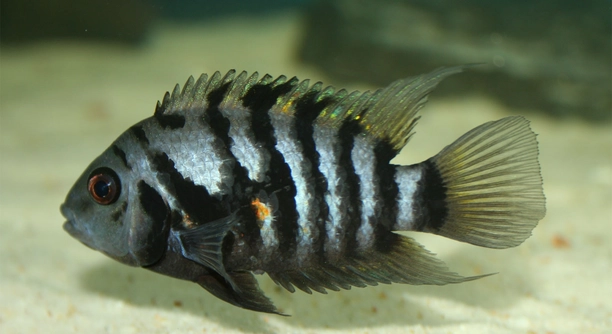
Many fish owners find themselves fascinated by the behavior of their aquatic pets. Cichlids are often admired for their lively and social nature. Observing these fish can sometimes feel like noticing unique traits in each one.
Research shows that cichlids can develop individual personalities influenced by genetics and environment. Their behavior varies in social interactions, aggression, and curiosity, indicating distinct differences among individual fish within the same species.
Exploring these differences can deepen the connection between owners and their cichlids, revealing more about their complex behaviors and needs.
What Shapes Cichlid Personalities?
Cichlid personalities develop through a mix of genetics and their surroundings. From the moment they hatch, these fish show different behaviors. Some are more outgoing and curious, while others prefer to stay hidden. Their environment plays a big role, too. Factors like tank size, water quality, and the presence of other fish influence how they act. For example, a crowded tank might make a cichlid more aggressive or shy. Social interactions also teach them how to respond to threats or new objects. Over time, these experiences build unique behavior patterns. Watching these changes helps owners understand that each cichlid can be quite different, even if they look similar.
Individual traits in cichlids can change with time, especially when their environment changes or they interact with different fish.
These unique behaviors show that cichlids are adaptable and sensitive to their surroundings. They learn from experience and develop habits that reflect their lifestyle. Recognizing these patterns allows owners to create better care plans. For example, a shy cichlid might need more hiding spots, while a bold one may enjoy open spaces. It’s important to keep their tanks stable and stress-free to support healthy personality growth.
Signs of Unique Personalities in Cichlids
Cichlids show personality through their behavior and choices.
Each cichlid has its own way of exploring, eating, and interacting. Some swim actively around the tank, while others stay near the bottom or close to decorations. Aggression levels vary—some fish defend their territory strongly, while others are more peaceful. Even their reactions to humans differ; some cichlids approach the glass when someone is near, while others hide. These signs make it clear that cichlids are not all the same. Owners who pay attention to these traits can better meet their fish’s needs. It also helps in selecting compatible tank mates to reduce stress and conflict. Understanding individual personalities is key to keeping cichlids happy and healthy over time.
How Environment Influences Behavior
The tank environment strongly affects cichlid behavior. Changes in space, decorations, or water conditions can alter how they act.
When the tank is well-maintained with enough space and hiding spots, cichlids feel secure and show more natural behaviors. A cramped or poorly cleaned tank may cause stress, making fish aggressive or withdrawn. Temperature and water quality also impact their mood and activity levels. These environmental factors shape how cichlids interact with each other and their surroundings. Adjusting these conditions can help bring out their best traits or calm problematic behavior.
Owners who observe their fish carefully can spot changes in behavior caused by environmental shifts. This awareness is essential for providing the best care and keeping the fish comfortable.
The Role of Social Interactions
Cichlids learn from and respond to the fish around them.
Interactions between cichlids influence their personalities. In groups, some fish become dominant, while others take a more submissive role. These social positions affect behavior, such as aggression, curiosity, and feeding habits. Fish that are bullied or stressed might hide more often, while confident individuals explore openly. Social dynamics also teach cichlids how to react to threats or new situations. This ongoing social learning shapes their individual character and helps them adapt.
Knowing how social behavior affects cichlids helps owners manage tank communities better. It’s important to balance fish numbers and personalities to reduce conflicts and promote healthy interactions. This care ensures that each cichlid can develop and express its own unique personality in a supportive environment.
Genetics and Personality
Genetics play a key role in shaping cichlid personalities. Some traits are inherited and influence behavior from birth.
Different species and even individual fish within a species show varying tendencies for aggression, curiosity, or social behavior. These inherited traits set the foundation for their personality development.
Observing Behavior Over Time
Watching cichlids regularly reveals how their personalities change or stay consistent. Some fish become more confident, while others remain shy.
Behavior can shift due to aging, health, or changes in the environment. Tracking these changes helps owners better understand and meet each fish’s needs.
Personality and Tank Setup
The way a tank is arranged can highlight or hide personality traits. Plants, rocks, and hiding spots encourage natural behavior and reduce stress.
Providing a well-structured environment supports positive interactions and helps shy or timid cichlids feel safe.
Feeding Habits Reflect Personality
Cichlids show personality through how they eat. Some are bold and quick, while others are slow or cautious when feeding.
Can cichlids really have different personalities?
Yes, cichlids do show different personalities. Each fish behaves in its own way, influenced by genetics and environment. Some are more active and curious, while others are shy or territorial. These differences are noticeable in how they interact with tank mates, explore their surroundings, and respond to changes.
How can I tell if my cichlid has a unique personality?
Look at how your cichlid acts over time. Notice if it’s more outgoing or prefers to stay hidden. Pay attention to how it responds when you approach the tank or add new decorations. Changes in aggression or feeding habits can also reveal personality traits. Consistent behavior patterns help identify individual differences.
Do cichlid personalities change as they grow?
Cichlid personalities can evolve with age. Young fish may be more timid or curious as they explore their environment. Over time, they can become bolder or more reserved based on experiences, tank conditions, and social interactions. Health and stress also affect behavior changes.
What role does the tank environment play in personality development?
The environment greatly influences cichlid behavior. A well-maintained tank with enough space and hiding spots encourages natural actions and reduces stress. Poor water quality or overcrowding can lead to aggression or fear. Changes in lighting, decorations, or tank mates may cause shifts in personality expression.
Can social interactions affect cichlid personalities?
Absolutely. Cichlids learn and adjust behavior based on their social environment. Dominant fish may show more confidence and aggression, while submissive ones might become shy. Group dynamics teach fish how to respond to threats and new situations. Proper tank management helps maintain balanced social behavior.
Are some cichlid species more prone to personality differences?
Yes, different species have varying behavioral tendencies. Some species are naturally more aggressive or territorial, while others are peaceful. Even within a species, individuals can show wide behavior differences. Understanding the species’ general traits helps in recognizing personality diversity.
How important is genetics in shaping cichlid personalities?
Genetics lay the foundation for personality traits. Certain behaviors like aggression, curiosity, or social tendencies can be inherited. However, genetics work alongside environment and social factors to shape how these traits appear in each fish.
Can I encourage positive personality traits in my cichlids?
Yes. Providing a stable, clean environment with enough space and hiding spots helps fish feel safe and comfortable. Regular, gentle interaction and proper feeding routines encourage natural and confident behaviors. Avoid overcrowding and sudden changes to reduce stress.
Do cichlids recognize their owners or react differently to people?
Some cichlids seem to recognize their owners, reacting to presence or feeding times. Bold individuals may approach the glass or follow hand movements, while shy ones might hide. This behavior reflects their personality and comfort level.
How does feeding behavior relate to personality?
Feeding habits reveal much about personality. Some cichlids eat quickly and aggressively, showing boldness. Others are more cautious or slow, indicating shyness or wariness. Changes in appetite or feeding style can signal stress or health issues.
What should I do if my cichlid’s behavior suddenly changes?
Sudden behavior changes may mean stress, illness, or environmental problems. Check water quality, tank conditions, and look for signs of disease. Isolate aggressive fish if needed and ensure proper diet. Observing closely helps catch issues early.
Can tank mates influence my cichlid’s personality?
Yes, tank mates impact behavior. Aggressive neighbors may cause a fish to become defensive or shy. Peaceful companions help reduce stress and encourage natural social interactions. Matching compatible species and personalities promotes harmony.
How long does it take to notice personality in cichlids?
Personality traits can appear within days to weeks of observation. Consistent monitoring over time shows clearer patterns. Young cichlids may take longer to show clear personalities as they develop.
Are shy cichlids less healthy than bold ones?
Not necessarily. Shy behavior is often a natural personality trait, not a sign of poor health. However, prolonged hiding or refusal to eat can indicate stress or illness, so monitoring is important.
Can personality differences affect breeding success?
Yes, behavior influences breeding. Aggressive or dominant fish may guard nests, while shy ones might avoid breeding. Understanding personalities helps manage breeding pairs for better success.
Do cichlids learn from their environment?
Cichlids adapt to changes and learn from experiences. They remember safe hiding spots, recognize tank mates, and adjust behavior based on past events. This learning contributes to their unique personalities.
How can I provide the best environment for my cichlid’s personality?
Maintain clean water, stable temperature, and proper tank size. Add decorations and hiding spots suited to each fish’s needs. Avoid sudden changes and overcrowding. Observe behavior regularly to make adjustments.
Is it normal for cichlids to change personality when moved to a new tank?
Yes, new surroundings can cause temporary stress or behavior changes. Fish may hide more or act cautiously. Given time and a good environment, their personality often returns or improves.
Can I train my cichlid to respond to me?
To some extent. Regular feeding at set times and gentle interaction can encourage fish to recognize you. Bold cichlids are more likely to respond, while shy ones may take longer.
How does stress affect cichlid personality?
Stress can cause behavior changes like aggression, hiding, or loss of appetite. It may mask natural personality traits. Reducing stress through proper care is key to keeping true behaviors visible.
Are there tools to help track cichlid personalities?
Keeping a simple journal or notes on each fish’s behavior helps track changes and differences. Videos or photos can also be useful to observe patterns over time. This information improves care and understanding.
What is the best way to introduce new cichlids to a tank?
Introduce new fish slowly and in neutral territory if possible. Quarantine first to avoid disease. Monitor interactions closely to prevent bullying and reduce stress, helping new personalities develop smoothly.
Cichlids are more than just colorful fish swimming in a tank. They show behaviors that suggest each one has its own personality. Some are bold and active, while others are shy or cautious. These differences come from a mix of genetics, environment, and social interactions. Watching how they behave over time helps us understand these unique traits. It also reminds us that caring for cichlids means paying attention not just to their health but also to their mood and comfort.
The environment where cichlids live plays a big role in shaping how they act. A clean tank with enough space and places to hide helps them feel safe and less stressed. Changes in water quality, tank setup, or the number of fish can affect their behavior a lot. Social interactions with other fish also teach them how to behave. Dominant and submissive roles form, influencing how they explore, eat, and interact. Understanding these social dynamics is important to keep the tank peaceful and support each fish’s personality development.
Knowing that cichlids can have individual personalities encourages better care. It means creating an environment that suits their needs and paying attention to changes in their behavior. Recognizing their unique traits helps owners provide better support, whether it’s offering more hiding spots for shy fish or managing aggressive behavior in more dominant ones. This approach not only improves the fish’s well-being but also makes watching and caring for cichlids more rewarding. Each cichlid is special, and understanding their personalities helps build a stronger connection between the fish and the owner.

Hello,
If you enjoy the content that we create, please consider saying a "Thank You!" by leaving a tip.
Every little bit helps us continue crafting quality advice that supports the health, happiness, and well-being of pets around the world, for pets of all shapes, sizes, and species.
We really appreciate the kindness and support that you show us!