
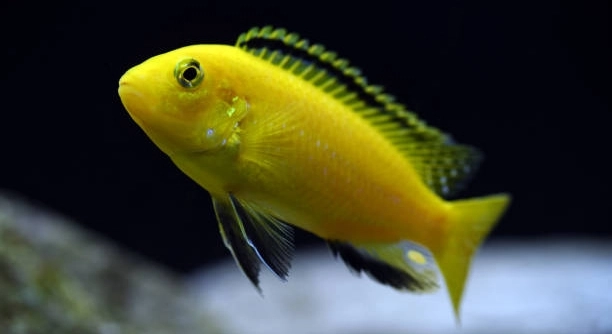
Cichlids are popular fish for home aquariums, admired for their vibrant colors and lively behavior. Many owners enjoy watching them grow and breed, creating a dynamic and engaging tank environment that brings fishkeeping to life.
Cichlids can breed too often, which may lead to stress, weakened health, and overpopulation in the aquarium. Frequent breeding cycles can strain their bodies and reduce their overall lifespan if not managed carefully.
Monitoring breeding habits and understanding the signs of overbreeding can help maintain a healthy aquarium environment and ensure your cichlids thrive for years.
Signs Your Cichlids Are Breeding Too Often
Frequent breeding can be stressful for cichlids, even if they appear healthy. You may notice physical signs like weight loss, duller colors, or damaged fins. Behavioral changes are also common, such as increased aggression, constant territorial disputes, or excessive hiding. Eggs or fry may appear in the tank more often than usual, which can quickly overwhelm the aquarium environment. Overcrowding reduces water quality, raises stress levels, and increases the risk of disease. Monitoring tank conditions closely is important. Maintaining proper filtration, regular water changes, and observing interactions between fish can help prevent negative effects. Breeding too often affects both adult and young fish, making tank management more challenging. Some species naturally breed frequently, so understanding their specific habits is crucial. Adjusting feeding schedules, providing sufficient hiding spaces, and occasionally separating breeding pairs can help reduce the frequency of reproduction while keeping the fish healthy.
Managing breeding frequency helps maintain a balanced and healthy aquarium ecosystem. Observing behavior closely is key.
Keeping cichlids healthy requires attention to both environment and habits. Overbreeding can deplete energy reserves, reduce immune function, and increase aggression, affecting other fish. Adjusting tank size, controlling feeding, and ensuring proper nutrition are effective ways to support recovery. Separating breeding pairs temporarily or providing additional hiding areas can lower stress and prevent constant reproduction. Careful monitoring of water quality, temperature, and pH levels ensures the tank remains suitable for adults and fry. Ignoring repeated breeding can lead to long-term health issues and increased mortality. Maintaining a structured environment supports calmer behavior and better overall health. Breeding management is not just about controlling numbers—it’s about sustaining a stable, thriving habitat for all fish. Regular observation and small adjustments can make a noticeable difference in behavior, coloration, and overall vitality. Thoughtful intervention keeps both adults and offspring safe while supporting natural instincts responsibly.
How to Control Frequent Breeding
Temporary separation of breeding pairs reduces continuous reproduction in the tank.
Controlling breeding frequency requires consistent attention to the tank setup and fish behavior. Overbreeding is often influenced by tank size, water conditions, and nutrition. Ensuring proper spacing and avoiding overcrowding helps prevent constant reproduction. Adjusting the feeding routine can reduce energy available for breeding, lowering the chances of frequent fry production. Some species are more prone to rapid cycles, so understanding specific needs is important. Adding hiding spaces, rocks, or plants allows fish to retreat, which can calm aggressive or overstimulated pairs. In cases of persistent overbreeding, moving eggs or fry to a separate tank helps maintain balance in the main aquarium. Monitoring stress signals, such as aggression or weight loss, allows timely interventions. Environmental stability, including temperature consistency and clean water, supports adult health while discouraging excessive reproduction. By managing both the physical space and behavioral cues, breeders can maintain a healthy balance between natural instincts and controlled tank conditions. Careful planning ensures that cichlids remain vibrant, energetic, and healthy without overwhelming the aquarium.
Effects of Overbreeding on Health
Overbreeding can weaken cichlids, leaving them more vulnerable to illness. Constant energy use for reproduction reduces immunity, dulls coloration, and increases stress. Fry may also suffer from insufficient parental care when adults are overworked.
Repeated breeding cycles strain adult cichlids physically and mentally. Females may lose weight and show less interest in feeding, while males can become overly aggressive toward tankmates. Stress hormones rise, increasing susceptibility to bacterial and parasitic infections. Water quality often declines due to leftover eggs or uneaten fry, compounding health risks. Long-term overbreeding can shorten lifespans and affect reproductive success in future cycles. Proper management, including monitoring tank conditions and occasionally separating breeding pairs, helps protect adult fish.
Overbreeding also affects fry survival. When adults are constantly focused on producing eggs, care for each batch decreases. Fry may face higher mortality rates due to neglect or competition for space and food. Overcrowding amplifies stress for both adults and young, making disease more likely. Ensuring adequate hiding spots, proper nutrition, and occasionally relocating eggs can improve survival. Balancing reproduction with tank capacity and fish health keeps both adults and offspring thriving, maintaining a stable environment for long-term care and growth.
Managing Tank Conditions to Prevent Overbreeding
Tank size, water quality, and hiding spaces play a major role in controlling frequent breeding. Proper management can reduce stress and limit excessive reproduction.
Keeping conditions stable supports healthier fish and fewer breeding cycles. Overcrowded tanks encourage aggression and constant spawning. Ensuring clean water, consistent temperature, and adequate filtration helps adults stay calm. Adding rocks, caves, or plants allows fish to retreat, reducing stress and territorial disputes. Feeding schedules impact reproduction, as overfeeding can stimulate frequent egg production. Monitoring behavior and adjusting tank layout as needed prevents overbreeding before it becomes a problem. Regular maintenance and observation are key to maintaining balance and supporting both adult and fry health.
Adjusting tank conditions involves strategic planning and consistent care. Separating breeding pairs temporarily or moving fry to a separate tank can prevent overcrowding. Providing sufficient space and resources reduces stress-related aggression, improving overall health. Clean, stable water supports immune function and reduces the spread of disease. Environmental enrichment, including hiding areas and proper substrate, allows natural behaviors without triggering constant reproduction. Observing fish regularly ensures early detection of stress, aggression, or excessive spawning. Thoughtful management maintains a controlled, healthy environment where adults can recover between breeding cycles, fry can survive, and the aquarium remains balanced for long-term enjoyment.
Adjusting Diet to Reduce Breeding
High-protein diets can trigger frequent spawning. Moderating protein intake helps control energy levels and reduces constant egg production.
Providing balanced nutrition supports overall health while discouraging overbreeding. Feeding smaller portions less frequently can prevent excess energy that fuels reproduction and keeps adults strong for regular maintenance.
Temporary Separation of Breeding Pairs
Separating males and females for short periods can interrupt continuous breeding. This allows adults to recover physically and mentally.
Temporary separation reduces stress and prevents constant fry production. It gives females time to regain weight and males time to lower aggression. Rotating pairs carefully maintains natural behavior while protecting health.
Monitoring Water Quality
Regular testing of water parameters is essential. Poor water quality can increase stress and trigger more breeding attempts.
Keeping ammonia, nitrite, and nitrate levels low ensures adults stay healthy and calm. Clean water reduces disease risk, supports immune function, and helps maintain a stable environment that discourages excessive reproduction.
FAQ
Can cichlids survive if they breed too often?
Cichlids can survive frequent breeding, but their health may decline. Constant reproduction uses a lot of energy, which can weaken adults and make them more prone to illness. Over time, repeated cycles without recovery may shorten their lifespan and affect overall vitality.
How can I tell if my cichlids are overbreeding?
Signs include weight loss, faded colors, damaged fins, and increased aggression. Fry may appear too often, and adults may become more territorial. Observing tank behavior and physical condition regularly helps identify if breeding is happening too frequently.
Does tank size affect breeding frequency?
Yes, smaller tanks can increase stress and trigger more frequent spawning. Limited space encourages aggression and constant territorial disputes, which often leads to repeated reproduction. Providing enough space for adults and fry reduces stress and helps control breeding.
Will separating breeding pairs stop overbreeding permanently?
Temporary separation can reduce breeding frequency, but it’s not permanent. Adults will return to natural reproductive behavior once reunited. Short-term separation helps them recover physically and mentally, lowering stress and giving them time to regain energy before the next cycle.
Does diet influence breeding habits?
Yes, high-protein diets can stimulate frequent spawning. Moderating protein intake and feeding balanced meals keeps fish healthy while preventing constant egg production. Overfeeding can also lead to water quality issues, which may further trigger overbreeding behaviors.
How often should I check water quality to prevent overbreeding?
Water should be tested weekly for ammonia, nitrite, nitrate, and pH levels. Stable, clean water reduces stress and keeps adults calm. Maintaining proper filtration and regular water changes supports health and discourages excessive reproduction.
Can overbreeding affect fry survival?
Yes, frequent breeding can reduce parental care and fry survival. Overcrowding increases competition for food and space, leading to higher mortality rates. Providing separate tanks or adequate hiding areas ensures better survival for young fish.
Are some cichlid species more prone to overbreeding?
Yes, certain species reproduce more rapidly. Knowing the specific habits of your cichlid species is important. Adjusting tank conditions, diet, and space according to species needs helps prevent frequent breeding while supporting health and natural behaviors.
Does stress influence breeding frequency?
Stress plays a major role in overbreeding. Aggression, overcrowding, poor water quality, or sudden environmental changes can trigger repeated reproduction. Minimizing stress through proper tank management, hiding spaces, and careful observation helps keep breeding cycles under control.
What are long-term consequences of overbreeding?
Long-term overbreeding can weaken adult fish, increase disease risk, and reduce lifespan. Fry may face higher mortality, and overall tank balance can be disrupted. Managing breeding through diet, tank conditions, and separation of pairs protects both adults and young, maintaining a healthier environment for all fish.
Can I still enjoy watching my cichlids breed safely?
Yes, careful management allows you to observe natural behaviors without harming fish health. Monitoring tank conditions, controlling breeding frequency, and ensuring proper nutrition and space helps adults recover between cycles and keeps fry safe.
How can I maintain a balanced aquarium with multiple breeding pairs?
Separate adults when necessary, provide adequate hiding spots, monitor water quality, and avoid overcrowding. Rotate pairs carefully, adjust feeding, and maintain a stable environment. Thoughtful management keeps aggression low and breeding cycles controlled, ensuring a thriving, healthy tank for all fish.
Final Thoughts
Managing cichlids’ breeding habits requires careful attention to both the fish and their environment. Overbreeding can place a significant strain on adult cichlids, affecting their health and behavior. When fish are constantly producing eggs, they expend a large amount of energy, which can lead to weight loss, weakened immune systems, and increased susceptibility to illness. Over time, repeated cycles without recovery can shorten their lifespan and reduce overall vitality. Observing the fish regularly, monitoring their physical condition, and noting behavioral changes are key steps in identifying if overbreeding is occurring. Tank management, including controlling space, diet, and environmental conditions, plays an important role in reducing the frequency of reproduction. Providing adults with adequate hiding spaces, maintaining clean water, and adjusting feeding routines helps prevent constant breeding while supporting the overall health of the fish.
Keeping a balanced tank is essential for both adult cichlids and their fry. Overbreeding can lead to overcrowding, which stresses all fish in the aquarium. Fry may face higher mortality rates if adults are overworked or unable to provide care. Space, proper nutrition, and water quality all influence the survival and development of young fish. Temporary separation of breeding pairs can give adults time to recover and reduce continuous reproduction. Separating eggs or fry to another tank when necessary can also improve survival rates and prevent overcrowding in the main aquarium. Consistent monitoring of tank conditions, including water parameters and cleanliness, ensures that fish remain healthy and behavior remains stable. Thoughtful adjustments, even small ones, can make a significant difference in controlling breeding cycles while allowing fish to express natural behaviors safely.
Maintaining a healthy balance in the aquarium requires ongoing observation and management. Overbreeding does not always happen suddenly, but repeated patterns can lead to long-term consequences if ignored. By managing diet, tank conditions, and breeding pairs carefully, cichlid owners can support adult health and improve fry survival. Environmental stability reduces stress and aggression, contributing to calmer behavior and a more harmonious tank. Over time, these measures help sustain vibrant colors, strong immune systems, and natural behaviors in both adults and young fish. Preventing frequent breeding is not about restricting instincts but about maintaining a stable, safe environment where cichlids can thrive. With proper care, attention, and planning, it is possible to enjoy the beauty and activity of cichlids without compromising their health or the balance of the aquarium.

Hello,
If you enjoy the content that we create, please consider saying a "Thank You!" by leaving a tip.
Every little bit helps us continue crafting quality advice that supports the health, happiness, and well-being of pets around the world, for pets of all shapes, sizes, and species.
We really appreciate the kindness and support that you show us!