
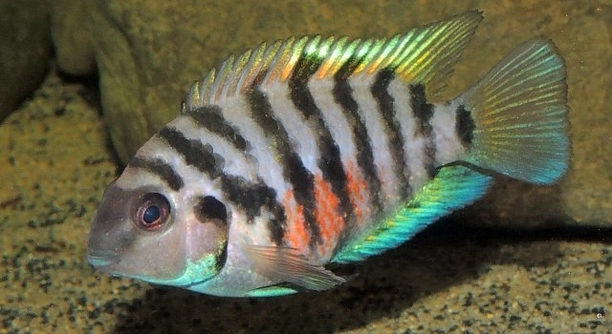
Keeping cichlids in home aquariums is a popular hobby among fish enthusiasts. Many wonder if these colorful fish can thrive without substrate at the tank’s bottom. This article explores how cichlids behave and survive in substrate-free environments.
Cichlids can be kept without substrate, but it depends on the species and tank setup. Some cichlids prefer digging and need substrate, while others adapt well to bare-bottom tanks. Proper care and environment adjustments are essential for their health.
Understanding the effects of substrate—or the lack of it—can help create a better habitat for your cichlids. This guide will explain the benefits and challenges of keeping them without substrate.
Why Some Cichlids Need Substrate
Many cichlids naturally dig and sift through the substrate. This behavior helps them find food and create hiding spots. For these species, having sand or fine gravel is important. It mimics their natural environment and reduces stress. Without substrate, these fish may feel uncomfortable or exhibit unusual behavior. Some cichlids use substrate to build nests or lay eggs, so it plays a role in their breeding. On the other hand, substrate can collect waste and uneaten food, making tank maintenance more challenging. Choosing the right type of substrate is also crucial to avoid harming sensitive cichlid species. In tanks without substrate, it’s important to offer hiding places using rocks or decorations. This helps cichlids feel secure. Observing your fish’s natural habits can guide you in deciding whether substrate is necessary for your aquarium setup.
Bare tanks are easier to clean, but substrate offers environmental enrichment that some cichlids need.
Using substrate correctly supports natural behaviors and overall fish well-being in your aquarium.
Benefits of a Bare-Bottom Tank
A tank without substrate is simpler to maintain. Cleaning becomes quicker because waste doesn’t get trapped in gravel or sand. This reduces the risk of harmful bacteria building up. Bare tanks also allow better water flow and oxygen circulation. For cichlids that don’t dig, this setup can be perfectly fine. It can help prevent algae growth, which sometimes thrives in substrate layers. Additionally, keeping the tank bare reduces the chance of parasites hiding in the substrate. However, the environment feels less natural for species that rely on substrate. To balance this, providing plenty of rocks, caves, or plants helps cichlids feel secure. In short, a bare-bottom tank works well for certain species and busy aquarists who prefer lower maintenance. Careful observation and tank adjustments are still necessary to meet your cichlids’ needs without substrate.
Choosing the Right Cichlids for a Bare Tank
Not all cichlids adapt well to tanks without substrate. Species like African cichlids from rocky habitats often do better without substrate since they rely more on rock formations for shelter. Others, such as some South American cichlids, prefer sandy or muddy bottoms and may struggle in a bare tank.
African cichlids are active swimmers and tend to dig less, making them suitable for bare tanks. They appreciate hiding spots made from rocks and caves instead of substrate. On the other hand, species like Angelfish or Dwarf Cichlids often sift through sand for food and feel more comfortable with substrate present. When selecting fish, consider their natural habits and environment to ensure they thrive. A bare tank suits species that do not rely on substrate for feeding or breeding behaviors.
Adjusting the environment with decorations and hiding places is essential. Even without substrate, providing cover and territory markers helps reduce stress. Avoid overcrowding to maintain peaceful conditions, as aggression can increase without natural barriers. Observing your cichlids’ behavior will guide necessary changes for their comfort.
Maintaining Water Quality in a Bare-Bottom Tank
Bare-bottom tanks can improve water quality by making waste removal easier. Without substrate to trap debris, cleaning becomes faster and more thorough. This helps keep ammonia and nitrate levels low, reducing stress on the fish. Regular water changes are still important to maintain optimal conditions.
Bare tanks encourage better water circulation, which supports beneficial bacteria growth on tank surfaces and filters. This bacteria breaks down harmful substances, promoting a healthier environment. However, because there is less biological filtration compared to tanks with substrate, filter maintenance is critical. Ensuring filters are clean and functioning well keeps water stable.
Using live plants or decorations can help absorb nutrients and further improve water quality. Monitoring water parameters regularly allows for early detection of problems. Overall, a bare-bottom setup can simplify tank care and help maintain cleaner water, but it requires consistent attention to filtration and water changes.
Cleaning and Maintenance Tips for Bare Tanks
Cleaning a bare tank is generally easier than one with substrate. Waste and leftover food are easier to spot and remove, which helps keep water clean. Regular siphoning and water changes prevent buildup of harmful substances.
Without substrate, be careful not to disturb decorations or plants during cleaning. These provide important shelter and reduce stress for cichlids. Keeping the tank tidy benefits both the fish and the overall aquarium environment.
Impact on Fish Behavior Without Substrate
Cichlids may change their behavior in a substrate-free tank. Fish that usually dig or sift might become less active or stressed. Providing hiding places with rocks or caves can help reduce anxiety. Some species might display increased aggression due to the lack of territory markers.
Watching your fish closely helps you understand their comfort level. Adjusting tank elements to mimic their natural environment supports healthier behavior and reduces stress.
Alternative Decorations for Bare Tanks
Rocks, caves, and artificial plants create shelter and interest in bare tanks. These elements provide hiding spots and reduce stress. They also help establish territories to prevent fights.
Choosing smooth decorations avoids injury and keeps the tank safe for cichlids.
Monitoring Fish Health in Bare Tanks
Without substrate, it’s important to watch for signs of stress or illness. Changes in behavior, appetite, or appearance can signal problems. Early detection helps ensure proper care and treatment.
FAQ
Can cichlids live happily without substrate?
Yes, some cichlids can live well without substrate, especially species that do not rely on digging or sifting behaviors. African cichlids from rocky environments often adapt easily to bare tanks, using rocks and caves for shelter instead. However, species that naturally dig or breed in substrate may become stressed or behave abnormally if kept without it. It’s important to know your cichlid’s natural habits before deciding on a substrate-free setup.
Will a bare tank harm my cichlids?
A bare tank won’t directly harm cichlids if their needs are met through other means. However, some species rely on substrate for comfort and natural behaviors. Without substrate, they may become stressed, which can lead to weakened immune systems and increased risk of illness. To prevent this, provide plenty of hiding places and maintain excellent water quality. Monitoring your fish closely is essential to catch any problems early.
Is it easier to maintain a bare-bottom tank?
Yes, bare-bottom tanks are generally easier to maintain. Without substrate, waste and uneaten food are easier to see and remove during regular cleaning. This reduces the buildup of harmful substances like ammonia and nitrates. Water changes and tank cleaning take less time, which benefits both the fish and the owner. Still, good filtration and regular maintenance remain critical for fish health.
How does substrate affect breeding in cichlids?
Substrate plays an important role in breeding for many cichlid species. Some build nests in the sand or gravel, while others use substrate to protect their eggs and fry. Without substrate, breeding behaviors may be disrupted, and some cichlids might refuse to spawn. If breeding is a goal, research your species carefully and provide suitable substrate or alternative breeding sites, such as flat rocks or caves.
Can aggression increase without substrate?
Yes, aggression can sometimes increase in bare tanks because there are fewer natural barriers and hiding spots. Substrate often helps define territories, reducing conflicts. Without it, fish may feel exposed and stressed, leading to fights. Adding rocks, caves, and decorations can help break sight lines and provide refuge, helping to reduce aggression and stress.
What type of substrate is best for cichlids if I choose to use it?
The best substrate depends on the species. Many African cichlids prefer sand or fine gravel that is easy to dig through. Some South American cichlids like softer, finer substrates that mimic riverbeds. Avoid sharp or rough substrates that could injure delicate fins or mouths. Natural-looking substrates also help maintain proper pH and water chemistry for specific species.
Can plants survive without substrate in a cichlid tank?
Some aquatic plants can survive without substrate if they are attached to rocks or decorations. However, many plants need substrate to anchor roots and absorb nutrients. In a bare tank, you can use floating plants or attach plants like Java fern or Anubias to hardscape. These options provide natural cover and improve water quality without requiring substrate.
How do I monitor water quality in a bare tank?
Regular testing for ammonia, nitrites, nitrates, and pH is key to monitoring water quality. Without substrate, waste can accumulate quickly on tank surfaces or in filters. Frequent water changes and filter cleaning help maintain a healthy environment. Keep an eye on water clarity and smell, and watch your fish for signs of stress or illness.
Are there any drawbacks to keeping cichlids without substrate?
While easier to clean, bare tanks can reduce natural behaviors like digging and breeding. Lack of substrate may cause stress or aggression in some species. The tank can look less natural and less visually appealing. Providing decorations and hiding places is important to compensate for these drawbacks and keep cichlids comfortable.
What are some good decorations for a substrate-free cichlid tank?
Smooth rocks, caves, driftwood, and artificial plants work well in bare tanks. These create hiding places and help fish establish territories. Decorations should be stable and free of sharp edges to avoid injury. Using a mix of open swimming space and sheltered areas helps balance the tank environment for cichlids.
How often should I clean a bare-bottom tank?
Cleaning frequency depends on the tank size, fish load, and filtration. Generally, weekly partial water changes and siphoning of waste are recommended. Bare tanks may require more frequent surface cleaning to remove uneaten food and debris. Keeping up with maintenance prevents buildup of harmful substances and keeps fish healthy.
Will removing substrate affect tank stability?
Removing substrate can affect the tank’s biological balance since substrate hosts beneficial bacteria. However, these bacteria also colonize surfaces like filters, decorations, and glass. Maintaining good filtration and regular water changes supports a stable environment. Introducing bacteria supplements can also help when starting a bare tank.
Can cichlids hurt themselves in a bare tank?
Cichlids are less likely to injure themselves in bare tanks because there is no sharp substrate. However, poorly chosen decorations or rough rocks can cause damage. Smooth, rounded decorations reduce risk of injury. Always check new tank elements for safety before adding them.
Are bare-bottom tanks better for disease control?
Bare tanks can reduce disease risks by making it easier to clean away waste and uneaten food. Parasites and bacteria have fewer places to hide without substrate. Still, disease can occur from poor water quality or stress, so maintaining proper conditions and monitoring fish health remains important.
Do cichlids eat substrate in the tank?
Some cichlids sift through substrate searching for food particles. They may accidentally ingest substrate, which can be harmful if it’s sharp or coarse. Choosing the right substrate type and size helps prevent injury. In bare tanks, feeding should be adjusted to ensure all food is accessible without digging.
Is it possible to switch a cichlid tank from substrate to bare bottom?
Yes, but it should be done carefully. Gradual removal of substrate helps reduce stress on the fish. During the transition, monitor water quality closely and provide extra hiding spots. Some fish may take time to adjust to the new environment, so patience and observation are key.
How do I provide hiding spots without substrate?
Use rocks, caves, and decorations to create hiding places. Hollow structures or stacked stones offer shelter and territories. Artificial plants or floating plants add cover and reduce stress. These alternatives help replicate the sense of security substrate usually provides.
Can cichlids survive in a tank with only bare glass and water?
While possible, it’s not ideal for most cichlids. Bare glass offers no hiding places, which increases stress and aggression. Lack of environmental enrichment can lead to boredom and health issues. Providing at least some decorations or structures is important for their well-being.
How does the lack of substrate affect the tank’s pH?
Substrate can influence water chemistry by buffering pH, especially in African cichlid tanks where crushed coral or aragonite sand is used. Without substrate, pH may be less stable and require more frequent monitoring. Using buffering agents or choosing appropriate water sources helps maintain balance.
Are bare-bottom tanks suitable for breeding cichlids?
Generally, bare tanks are not ideal for breeding species that rely on substrate for spawning. Some cichlids can breed on rocks or cave surfaces, but many prefer sandy or gravel bottoms. If breeding is a priority, providing appropriate substrate or breeding sites is necessary to encourage natural behaviors.
What should I feed cichlids in a bare tank?
Feed high-quality pellets or flakes that sink slowly, allowing cichlids to catch food easily. Avoid overfeeding to reduce waste buildup. Live or frozen foods can supplement their diet. In a bare tank, food is easier to see and remove, helping maintain cleanliness.
Can substrate help reduce algae growth?
Substrate can sometimes trap nutrients that fuel algae, but it can also provide surfaces for beneficial plants to grow. In bare tanks, algae may grow on glass or decorations instead. Proper lighting, cleaning, and water management are key to controlling algae regardless of substrate presence.
How do I know if my cichlids need substrate?
Watch their behavior closely. If they dig, sift, or seem restless without substrate, it’s a sign they need it. Breeding habits and species origin also provide clues. Adjusting the tank setup based on observations helps meet their needs and keep them healthy.
Deciding whether to keep cichlids without substrate depends on many factors, including the species you have and your aquarium setup. Some cichlids do well in bare-bottom tanks because they do not rely on digging or sifting behaviors. These fish can thrive if their environment offers enough hiding places and proper care. However, other species that naturally dig, breed, or feed in the substrate may become stressed or show unusual behavior without it. Knowing your cichlids’ natural habits helps in making the right choice. It’s important to create a habitat that supports their needs and comfort.
Bare tanks offer advantages like easier cleaning and better water quality management. Without substrate, waste is easier to spot and remove, reducing the buildup of harmful chemicals in the water. This can lead to a healthier aquarium overall. But bare tanks can feel less natural for fish used to sandy or gravel environments. To balance this, adding rocks, caves, and decorations helps provide shelter and territory markers. These features reduce stress and aggression, making the tank a better place for your cichlids. Regular maintenance and monitoring remain important to keep your fish healthy in any setup.
In the end, keeping cichlids without substrate is possible, but it requires careful planning and attention to detail. Each species has different needs, and their behavior can guide you in adjusting the tank environment. Whether you choose substrate or a bare tank, the key is to ensure your cichlids have clean water, enough hiding spots, and a space where they feel secure. Observing your fish regularly will help you spot any problems early and make necessary changes. A well-maintained and thoughtfully arranged aquarium supports the long-term health and happiness of your cichlids.

Hello,
If you enjoy the content that we create, please consider saying a "Thank You!" by leaving a tip.
Every little bit helps us continue crafting quality advice that supports the health, happiness, and well-being of pets around the world, for pets of all shapes, sizes, and species.
We really appreciate the kindness and support that you show us!