
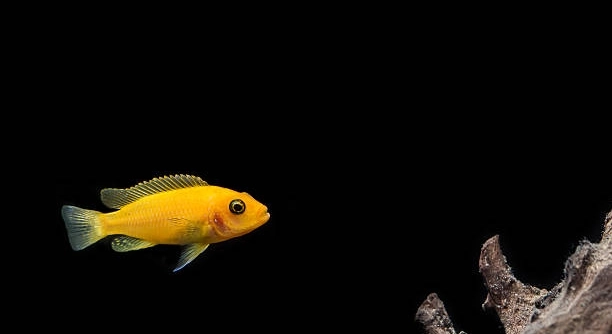
Cichlids are popular freshwater fish often kept in home aquariums. Their vibrant colors and active behavior make them a favorite among hobbyists. Adjusting them to a new tank can be an important step for their overall health and well-being.
Cichlids can adapt to a new tank relatively quickly if the conditions are suitable and stable. Proper water parameters, gradual acclimation, and minimal stress contribute to their ability to settle in within a few days to a couple of weeks.
Understanding the factors that influence their adaptation will help ensure a smooth transition and a healthy environment for your cichlids.
Factors That Affect Cichlids’ Adaptation to a New Tank
Several factors influence how quickly cichlids adjust to a new aquarium. Water quality is one of the most important. If the water temperature, pH, and hardness closely match their previous environment, cichlids experience less stress. Sudden changes can cause shock or illness. The tank setup also matters. Providing hiding places and familiar decorations helps them feel secure. The size of the tank plays a role, too. Overcrowding can increase stress and aggression. Proper acclimation techniques, like slowly introducing the fish to the new water, are essential. Feeding habits also influence adaptation; fish that receive a consistent diet tend to settle faster. Finally, the species of cichlid matters since some are more tolerant of changes than others. Taking time to prepare the tank correctly can make the transition smoother for your fish.
Adapting slowly is key. Gradual changes and a stable environment help cichlids feel safe and healthy.
Observing your cichlids during their first days in the new tank is important. Look for signs of stress such as hiding, loss of appetite, or unusual swimming patterns. If these signs last more than a few days, check water parameters and tank conditions. Regular water testing and proper maintenance can prevent many common problems. Also, avoid sudden loud noises or tapping on the tank glass, as these can frighten the fish. Giving them space and time to explore the tank on their own will encourage natural behavior. Remember, patience is necessary to allow cichlids to adjust fully.
Tips for Helping Cichlids Settle in Quickly
Keeping water stable is crucial when introducing cichlids to a new tank. Frequent water changes should be avoided early on, as they can cause fluctuations in water chemistry. Instead, maintain good filtration and monitor water quality daily. Using a drip acclimation method can minimize shock by slowly mixing the new tank water with the water the fish came in. Feeding a balanced diet helps boost their immune system and reduces stress. Adding plants or decorations that provide shelter encourages confidence. Avoid introducing other fish immediately, as this can increase competition and stress. Keep the lighting low at first to reduce anxiety. These small steps create a comfortable space where cichlids can adapt quickly and stay healthy for the long term.
Signs That Show Your Cichlids Are Adjusting
Cichlids that adapt well start to explore their new environment more confidently. They swim actively and begin feeding regularly. Their colors become more vibrant as stress decreases, showing they are comfortable.
Healthy cichlids will interact with their surroundings, using hiding spots and swimming freely without hesitation. They should accept food without hesitation and show interest during feeding times. Watching for normal behavior like territory marking or gentle social interactions helps confirm their adjustment. Aggression may occur but should not be excessive. Stress signs such as gasping at the surface or hiding constantly indicate discomfort or poor water conditions. Observing these behaviors daily provides important clues about their well-being in the new tank.
If cichlids seem lethargic or stop eating, it’s often a sign they need more time or better tank conditions. Regular water tests and patience are essential. Once they start showing normal activity and bright colors, it means they are settling in well.
Common Mistakes When Moving Cichlids to a New Tank
Rushing the acclimation process can cause severe stress or illness. Quickly transferring cichlids without gradual water mixing leads to shock. Overcrowding the tank right away increases aggression and stress among fish. Not monitoring water parameters closely after transfer allows harmful changes to go unnoticed. Another common mistake is changing feeding habits suddenly, which can cause appetite loss. Neglecting tank decorations or hiding spots leaves cichlids feeling exposed and vulnerable. These errors make adaptation slower and risk the fish’s health.
It’s important to move fish slowly, monitor water chemistry, and provide adequate space. Keeping consistent feeding routines and ensuring shelter reduces stress. Careful attention to these factors supports a smooth transition and a healthier tank environment. Avoiding these mistakes helps cichlids settle comfortably and thrive in their new home.
How Long Does It Take for Cichlids to Settle?
Cichlids usually begin adjusting within a few days, but full adaptation can take up to two weeks. The timeline varies depending on water quality, tank setup, and species.
Patience is essential during this period. Avoid sudden changes and keep conditions stable to help your fish feel secure.
Importance of Water Parameters in Adaptation
Maintaining proper water temperature, pH, and hardness is critical for cichlids. These fish are sensitive to sudden fluctuations, which can cause stress or illness. Stable parameters mimic their natural habitat, allowing them to regulate bodily functions and maintain energy levels. Consistent water quality supports immune health and reduces aggression. Regular testing and careful monitoring during the first weeks in a new tank prevent harmful conditions. Making gradual adjustments rather than abrupt changes ensures the fish stay comfortable and healthy. Proper filtration and avoiding overfeeding help keep water clean, further supporting adaptation.
Acclimation Methods to Use
The drip method is the safest way to acclimate cichlids. Slowly mixing tank water with transport water reduces shock.
Avoid sudden temperature and chemical changes during acclimation to minimize stress.
FAQ
How quickly can cichlids adapt to a new tank?
Cichlids generally start adjusting within a few days, but full adaptation can take up to two weeks. The process depends on the stability of water conditions, proper acclimation, and the species involved. Some types of cichlids are more sensitive and may take longer to feel comfortable.
What are the most important water parameters for cichlids?
Temperature, pH, and hardness are key factors. Most cichlids prefer temperatures between 75°F and 82°F, with a pH ranging from 6.5 to 8.0 depending on the species. Keeping these stable prevents stress and illness. Testing water regularly ensures these parameters remain consistent.
Can cichlids live with other fish during the transition?
It’s best to avoid introducing new fish during the adaptation phase. Stress from moving tanks combined with social pressures from other species can harm cichlids. Once settled, you can gradually introduce compatible tank mates based on the species’ temperament.
What are common signs of stress in cichlids after moving?
Signs include hiding constantly, loss of appetite, erratic swimming, and faded colors. Gasping at the water surface or rubbing against objects also indicates poor water quality or irritation. Early detection helps prevent serious health issues.
How should I acclimate cichlids to minimize stress?
Use the drip acclimation method by slowly mixing tank water with the water your fish arrived in. This gradual approach helps fish adjust to temperature, pH, and chemical differences, reducing shock and stress.
How important are hiding spots in a new tank?
Very important. Hiding places help cichlids feel secure and reduce stress. Rocks, caves, and plants provide shelter, letting fish establish territories and avoid aggression.
Should I change the diet when moving cichlids to a new tank?
Keep their diet consistent during the transition to avoid added stress. If needed, offer high-quality food that matches what they were eating before. Avoid overfeeding as it can degrade water quality.
How often should I test the water after moving cichlids?
Test daily for the first week, then every few days afterward. Monitor ammonia, nitrite, nitrate, pH, and temperature closely. Quick action on water issues helps prevent health problems.
What if my cichlids don’t eat after being moved?
Loss of appetite is common at first but shouldn’t last more than a few days. If it persists, check water quality and tank conditions. Sometimes adding hiding spots or lowering light levels can encourage feeding.
Can cichlids get sick from moving to a new tank?
Yes, stress from moving can weaken their immune system, making them vulnerable to infections. Keeping water clean, stable, and providing a calm environment lowers this risk. Quarantine new fish before adding them to the tank.
Is it okay to clean the tank right after moving cichlids?
Avoid major cleaning or water changes immediately after moving. Sudden changes can shock the fish. Focus on gentle maintenance and monitor water quality before performing larger cleanings.
How do I know when cichlids are fully adapted?
Once they swim confidently, eat well, show bright colors, and interact normally with their environment, they are likely adapted. This can take up to two weeks or longer depending on conditions.
Can changing the lighting help cichlids adjust?
Yes, lowering light levels during the first few days can reduce stress. Bright light might scare newly moved fish. Gradually increasing lighting over time helps them get used to their new surroundings.
Final Thoughts
Moving cichlids to a new tank is a process that requires patience and care. The key to helping them adjust quickly is to create a stable environment that closely matches their previous home. Water quality is the most important factor to focus on. Keeping temperature, pH, and hardness steady reduces stress and helps fish stay healthy. Avoid making sudden changes to the tank or water, as this can shock cichlids and slow down their adaptation.
Proper acclimation is another essential step. Taking the time to introduce cichlids slowly through methods like drip acclimation allows them to get used to the new water conditions safely. Providing hiding places and a tank layout that gives them room to explore and feel secure can also improve their comfort. Feeding the same diet they are used to during the transition helps maintain their health and reduces the chances of appetite loss. Watching for signs of stress or illness early on is important so problems can be addressed quickly.
Every cichlid species has different tolerance levels and behaviors, so adaptation times may vary. Some fish may settle in within a few days, while others take longer. Being patient and attentive during this period makes a big difference in how well they adjust. Maintaining consistent water parameters and a calm environment gives cichlids the best chance to thrive. With careful preparation and ongoing care, cichlids can quickly feel at home and remain healthy in their new tank.

Hello,
If you enjoy the content that we create, please consider saying a "Thank You!" by leaving a tip.
Every little bit helps us continue crafting quality advice that supports the health, happiness, and well-being of pets around the world, for pets of all shapes, sizes, and species.
We really appreciate the kindness and support that you show us!