
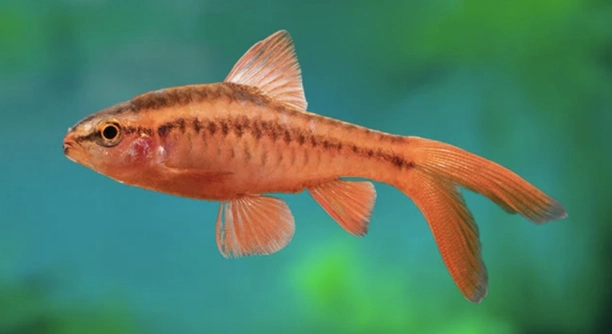
Cherry barbs are a popular freshwater fish known for their bright colors and active behavior. Many fishkeepers wonder how these beautiful fish will fare in blackwater tanks, a unique type of aquarium environment.
Cherry barbs can adapt to blackwater tanks, but it is important to maintain appropriate water conditions. These fish prefer slightly acidic water with low light and soft, tannin-rich environments, typical of blackwater habitats.
While their adaptability is impressive, there are several key factors to keep in mind when housing cherry barbs in a blackwater tank. These include the importance of water quality and the right tank companions.
Blackwater Tank Conditions for Cherry Barbs
Blackwater tanks mimic the natural habitats of many fish, including cherry barbs. These tanks are characterized by dark, stained water, often created by the presence of organic matter like leaves, wood, and plants. This type of water has a lower pH and is rich in tannins, giving it a tea-colored appearance. Cherry barbs naturally thrive in such environments, as they come from Southeast Asia’s slow-moving, acidic waters. The water’s softness and low light levels closely resemble their natural habitat, promoting their overall health and well-being. The key to success is ensuring that the water parameters are consistent and stable.
Cherry barbs benefit from water that is slightly acidic, with a pH between 6.0 and 7.0. Maintaining low hardness and regular water changes can help keep the tank’s conditions stable. However, while cherry barbs are hardy, it is still important to avoid extreme fluctuations, as they can cause stress and illness.
Maintaining these conditions may require additional care, but once set up, a blackwater tank can be a peaceful, beautiful environment for your cherry barbs. It’s important to also ensure the tank is equipped with suitable filtration that won’t disrupt the delicate balance of the water. Regular monitoring of water parameters and a few adjustments here and there can help maintain the ideal environment. With the right setup, cherry barbs can not only survive but thrive, adding vibrant color to your aquarium.
Tank Mates for Cherry Barbs in Blackwater Tanks
Cherry barbs are peaceful and generally get along well with a wide range of tank mates. However, their small size means that it’s important to choose fish that won’t be overly aggressive or predatory. It’s best to house them with other peaceful species that enjoy similar water conditions, such as other small barbs or tetras. These species also prefer slightly acidic, soft water and are more likely to thrive in a blackwater tank alongside cherry barbs.
When choosing tank mates, consider the activity level of the fish. Cherry barbs are active swimmers, but they tend to stick to the mid and lower parts of the tank. Species that occupy different areas of the tank will help reduce any territorial conflicts. Fish that are too large or aggressive may cause stress, which can lead to health problems for the cherry barbs. It’s also crucial to ensure that all species in the tank are compatible with the blackwater environment.
Benefits of Blackwater Tanks for Cherry Barbs
Blackwater tanks create a natural, calming environment for cherry barbs. The tannins in the water can improve their overall health by acting as natural antibiotics, helping prevent common fish diseases. The dim lighting and slightly acidic water also reduce stress, making the fish more comfortable.
Cherry barbs are known to appreciate the darker conditions of blackwater tanks. The low light levels reduce the likelihood of algae growth, creating a more serene atmosphere. The tannins released from the driftwood or leaves in the tank act as a natural antibacterial and antifungal agent, which helps to maintain a cleaner environment. This can be especially helpful in preventing the spread of diseases and improving the fish’s immunity over time.
In addition, the soft, acidic water that blackwater tanks provide is ideal for cherry barbs. Their natural habitats consist of slow-moving streams with low mineral content and slightly acidic water. Recreating this environment in a tank can result in healthier, more active fish that are less stressed and more likely to reproduce successfully.
Maintaining Water Quality in Blackwater Tanks
Maintaining water quality in a blackwater tank requires attention to detail, especially in terms of pH and filtration. Cherry barbs thrive in stable water conditions, and fluctuations in pH or hardness can negatively affect their health. Regular water testing is essential to ensure that the water remains within the ideal range for these fish.
Filtration in a blackwater tank should be gentle but effective. Strong currents or filters that disturb the water too much can be stressful for cherry barbs. You’ll want to opt for a filter that can handle the load without disrupting the peaceful environment created by the blackwater setup. It’s also a good idea to use a filter that can remove debris but not disturb the natural buildup of tannins, which are essential for creating the proper water conditions.
Regular water changes are necessary to maintain clean water, but they should be done gradually. Large, sudden water changes could cause shock to the fish. Instead, replace small amounts of water regularly, ensuring that the temperature and pH remain stable. By maintaining consistent water quality, you can ensure that your cherry barbs thrive in their blackwater tank.
Choosing the Right Substrate for Blackwater Tanks
For cherry barbs, a fine, dark substrate is ideal for a blackwater tank. Sand or small, smooth gravel works well. The dark color complements the tannin-stained water and enhances the natural look of the tank. It also allows the fish’s vibrant colors to stand out.
A darker substrate also helps in reducing light reflection, contributing to the peaceful, low-light environment that cherry barbs enjoy. This can help prevent algae growth and maintain the soft, acidic water that the fish prefer. A smooth, fine substrate is also easier on the fish’s delicate barbels, making it a more comfortable environment.
Plants in Blackwater Tanks
Plants that thrive in low light conditions, such as java ferns, anubias, and mosses, are excellent additions to blackwater tanks. These plants can grow well in the slightly acidic, low-light environment created by the tannins in the water. They also contribute to the natural look of the tank.
Adding plants helps with water quality by absorbing excess nutrients, which prevents algae from growing. Plants like java moss provide hiding spaces for the fish, making them feel more secure. It’s also beneficial to include floating plants to mimic the natural conditions of cherry barbs’ habitats, offering shaded areas where the fish can rest.
Importance of Driftwood in Blackwater Tanks
Driftwood plays a crucial role in blackwater tanks. It not only enhances the aesthetic appeal of the tank but also releases tannins into the water, which lowers the pH and creates a more natural, acidic environment for the cherry barbs.
FAQ
Can cherry barbs live in soft water?
Yes, cherry barbs thrive in soft water. Soft water has low mineral content, which mirrors the natural conditions of their native habitat in Southeast Asia. Keeping the water soft helps to maintain the right pH levels, which are crucial for their health. Cherry barbs do best in water with a hardness of 2-15 dGH, so make sure to test your water regularly to keep it within the right range.
Do cherry barbs need a heater in blackwater tanks?
While cherry barbs can tolerate a wide range of temperatures, they do best in water temperatures between 74°F and 79°F (23°C – 26°C). In most homes, a heater is necessary to maintain a stable temperature, especially during cooler months. It’s important to keep the temperature consistent to avoid stressing the fish. A quality aquarium heater with a thermometer can help regulate the tank’s temperature.
Are cherry barbs good tank mates for other species?
Cherry barbs are peaceful and do well in community tanks. They are non-aggressive and can live with other small, peaceful fish like tetras, rasboras, and dwarf gouramis. However, avoid housing them with overly large or aggressive species that may stress or harm them. They thrive in groups of at least six, so consider keeping multiple barbs to reduce any aggression and encourage natural behavior.
How often should I do water changes in a blackwater tank?
Water changes in a blackwater tank should be done regularly, but not too frequently. A good rule of thumb is to change 10-15% of the water every week or every two weeks, depending on the tank’s size and filtration. Always ensure the water is conditioned to match the tank’s temperature and pH before adding it to avoid shocking the fish.
Can cherry barbs breed in blackwater tanks?
Yes, cherry barbs can breed in blackwater tanks. In fact, the conditions found in these tanks, such as soft, acidic water and low light, can encourage breeding. To breed cherry barbs, provide a separate breeding area or a breeding tank with plants like java moss for the female to lay eggs. After spawning, remove the parents to protect the eggs and fry from being eaten.
Do cherry barbs require a lot of space in their tank?
Cherry barbs are small and don’t require a large tank, but they should be kept in a tank that provides ample swimming space. A tank size of 20 gallons or more is ideal for a small school of cherry barbs, allowing them to move around comfortably. While they don’t require much space, a well-planted tank with hiding spots and open areas for swimming will help them feel secure and reduce stress.
What should I feed cherry barbs in blackwater tanks?
Cherry barbs are omnivores and do well on a varied diet. You can feed them high-quality flake food, pellets, frozen or live foods like brine shrimp and bloodworms, and occasional vegetables like blanched zucchini or spinach. It’s important to provide a balanced diet to keep them healthy and colorful. Avoid overfeeding, as uneaten food can pollute the water.
How long do cherry barbs live?
Cherry barbs generally live for about 3 to 5 years, though some individuals may live longer with proper care. Their lifespan can be influenced by factors such as water quality, diet, and stress levels. Keeping the tank environment stable and providing regular maintenance will help your cherry barbs live a long, healthy life.
Do cherry barbs need a lot of light in blackwater tanks?
Cherry barbs do not require intense lighting. In fact, a dimly lit tank mimics the shaded, tannin-rich waters of their natural habitat. Moderate or low lighting will encourage their natural behaviors and make them feel more at ease. Bright lighting can cause stress and promote algae growth, so keep the lighting soft and gentle.
Can I add other fish to a blackwater tank with cherry barbs?
Yes, you can add other fish to a blackwater tank with cherry barbs, but it’s important to choose species that enjoy similar water conditions. Small, peaceful fish like other barbs, tetras, and peaceful gouramis are good companions. Avoid large or aggressive species that might bully the cherry barbs or disrupt the tank’s delicate balance.
Final Thoughts
Cherry barbs can thrive in blackwater tanks, as these tanks mimic their natural environment quite well. The soft, acidic water found in blackwater setups is ideal for them, as they naturally come from slow-moving, slightly acidic waters in Southeast Asia. The tannins released by driftwood and leaves help create a peaceful, calming environment, which is beneficial for the health and stress levels of the fish. By keeping the water parameters stable and providing a proper tank setup, cherry barbs can live happily and healthily in these conditions.
While blackwater tanks are a great option for cherry barbs, it’s important to maintain water quality and choose the right tank mates. Regular water changes, gentle filtration, and monitoring pH and hardness are crucial to ensuring the well-being of the fish. Cherry barbs thrive in stable conditions, so it’s essential to avoid fluctuations that could cause stress. In terms of tank mates, choosing peaceful fish that share similar water preferences will make for a harmonious aquarium. Cherry barbs do best when they are in small groups, so be sure to provide a school of at least six fish.
With proper care, cherry barbs will not only adapt to a blackwater tank, but they will also thrive in it. Their vibrant colors will stand out against the dark, tannin-stained water, creating a beautiful and dynamic tank. The peaceful nature of cherry barbs makes them suitable for a community tank, and their easygoing temperament allows them to live harmoniously with other compatible species. As long as their environment is maintained properly, cherry barbs can be a rewarding and enjoyable addition to a blackwater aquarium.

Hello,
If you enjoy the content that we create, please consider saying a "Thank You!" by leaving a tip.
Every little bit helps us continue crafting quality advice that supports the health, happiness, and well-being of pets around the world, for pets of all shapes, sizes, and species.
We really appreciate the kindness and support that you show us!