
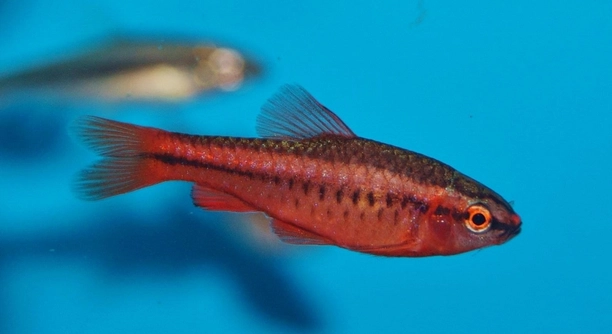
Have you ever brought home a group of cherry barbs and started wondering if they’ll stay healthy in your cooler tank setup?
Cherry barbs are tropical freshwater fish that require stable, warm temperatures between 74°F and 80°F. Exposure to cold water can weaken their immune system, leading to stress, illness, and a shorter lifespan.
Temperature stability plays a key role in keeping these peaceful fish active, colorful, and healthy in a home aquarium setting.
Why Warm Water Matters for Cherry Barbs
Cherry barbs thrive in warm, stable temperatures. These fish are native to Sri Lanka’s tropical waters, where the temperature rarely drops below 74°F. In a home aquarium, they need the same warm conditions to stay active, eat properly, and maintain their vivid red color. Cold water can slow down their metabolism, weaken their immune system, and make them more prone to infections like ich or fin rot. Keeping the tank heated between 74°F and 80°F is ideal. A reliable aquarium heater and thermometer help ensure this range is maintained. Fluctuating or consistently low temperatures can lead to long-term health issues and even early death. Since cherry barbs are small, they react quickly to environmental changes, which makes water temperature even more critical. They may survive for a short time in colder water, but their health will decline rapidly. Consistency and warmth are essential for their comfort and longevity.
Cold water slows down their activity and makes them more vulnerable to disease. It also affects their appetite and coloration.
Maintaining the right temperature improves their immune function and encourages natural behaviors like schooling, swimming, and spawning. A warm tank keeps them comfortable and reduces the risk of stress-related issues.
How to Keep Cherry Barbs Safe and Comfortable
Warm water is the first step toward ensuring their health, but tank setup also plays a role.
Start by using a dependable heater set to the correct temperature range. Check the water daily with a thermometer to catch any changes early. A gentle filter with steady flow works best, as cherry barbs don’t enjoy strong currents. Use a tank size of at least 20 gallons to give them enough space to swim in groups. Include live plants and hiding spots like rocks or driftwood to reduce stress. Dim lighting helps them feel more secure. Water quality is just as important as temperature, so test for ammonia, nitrites, and nitrates weekly and perform regular partial water changes. Feeding them high-quality flakes or small frozen foods like daphnia will support their health further. Keeping their tankmates peaceful is key—they do best with other non-aggressive fish. By keeping the tank stable and well-maintained, cherry barbs can live a healthy and active life in a home aquarium.
Signs Your Cherry Barbs Are Too Cold
When cherry barbs are too cold, they often move less and may stop swimming around the tank. Their colors can become dull, and they may hide more often or show signs of stress like clamped fins.
Cold temperatures affect their behavior quickly. A drop below 72°F may lead to sluggish movement and a weak appetite. They may avoid eating altogether or spit out food. Some cherry barbs may hover near the bottom of the tank or isolate themselves from the group. Watch for signs of labored breathing or reduced interaction with tankmates. These changes usually appear within a few days of being in cold water. If left unchecked, prolonged exposure can lead to bacterial or fungal infections, as their immune system becomes less effective in cooler conditions.
Consistently cold water puts stress on their organs, leading to long-term damage. This can make recovery difficult, even if the temperature is corrected. They might survive a short cold period, but any extended exposure reduces their quality of life. In tanks without heaters, seasonal drops in room temperature can quickly affect water temperature, especially at night. Monitoring your tank and watching your fish closely can help you catch early signs of cold-related stress before they worsen.
How to Warm a Tank Safely and Slowly
Sudden changes in temperature can be stressful, so any increase should be gradual. If your tank is too cold, raise the temperature slowly—no more than 2°F per hour. Fast changes can shock cherry barbs and weaken them even more.
Use a reliable submersible heater with adjustable settings to slowly bring the water up to the correct range. Set it just a few degrees higher and monitor the tank with a thermometer. Avoid placing the heater near decorations or plants that may block heat distribution. In smaller tanks, the temperature can rise quickly, so check it every hour during adjustments. If your home is very cold, insulate the tank with a background or cover to reduce heat loss. Always plug heaters into a surge protector to avoid electrical issues. Once the desired temperature is reached, keep it steady and monitor it daily to prevent sudden drops that could undo the progress you’ve made.
Preventing Temperature Drops
Keep your aquarium away from drafty windows, doors, or areas with frequent temperature shifts. Rooms with steady heating are better for maintaining a consistent tank environment, especially during colder months or at night.
Using a tank lid helps trap heat and reduces evaporation. It also creates a more stable environment, especially if the room cools down quickly.
Choosing the Right Heater for Your Tank
Selecting the correct heater depends on your tank’s size. A general rule is 3 to 5 watts per gallon of water. For example, a 20-gallon tank usually needs a 75-watt heater. Submersible heaters are reliable and evenly warm the water. Choose one with an automatic shut-off feature to avoid overheating. Digital thermometers offer accurate readings, which help you track any changes. Consider a heater with an adjustable dial, so you can fine-tune the temperature. Always test new equipment in water before adding it to the main tank. Keeping a backup heater is helpful in case of power loss or malfunction.
Regular Temperature Checks Matter
Checking your tank’s temperature daily helps catch sudden drops early. A stable tank keeps cherry barbs healthy, active, and stress-free.
FAQ
Can cherry barbs live in an unheated tank?
Cherry barbs can survive for a short time in an unheated tank if the room temperature stays around 74°F. However, long-term survival without a heater is not ideal. Most indoor environments drop below this range at night or during colder seasons. This causes temperature fluctuations that stress the fish and lead to health issues. A heater keeps the water consistent and prevents sudden drops, making it essential for cherry barbs’ long-term health.
What happens if cherry barbs are kept in cold water for too long?
Extended exposure to cold water weakens their immune system, slows down their metabolism, and causes behavioral changes. They may eat less, become sluggish, or isolate themselves. Over time, they become more prone to diseases like ich or bacterial infections. Stress from cold water also affects their organs and may lead to permanent damage. Even if they seem fine at first, long-term effects can be serious. Their lifespan and overall health decline without stable, warm conditions.
What is the lowest temperature cherry barbs can handle?
They may tolerate brief dips to 70°F, but this is not safe or recommended. The ideal range is 74°F to 80°F. Below that, their activity level drops and stress increases. While they might survive a few days at lower temperatures, their immune system weakens, and they become more vulnerable to illness. For their health and comfort, it’s best to avoid temperatures below 74°F entirely.
How quickly should I raise the temperature if it drops too low?
Raise it slowly—no more than 2°F per hour. Sudden changes cause temperature shock, which can stress the fish even more. If you need to increase the temperature by more than 4°F, do it in stages throughout the day. Monitor the fish closely for any signs of distress, like gasping or erratic swimming. Use a reliable heater and thermometer to guide the process and avoid fluctuations.
Is it okay to use two heaters in one tank?
Yes, using two heaters can be helpful in larger tanks or in cold homes. Two smaller heaters can warm the tank evenly and reduce the risk of one failing completely. Place them on opposite sides of the tank for balanced heating. This setup also allows for more precise temperature control, especially during winter. Always monitor both heaters to make sure they are working properly.
Can cherry barbs recover after being in cold water?
If caught early, yes. Gradually warming the tank and improving water quality can help them bounce back. Make sure they are eating, swimming normally, and interacting again. Avoid any sudden changes. If symptoms like clamped fins or white spots appear, treat the tank immediately. Strong filtration, clean water, and consistent warmth will give them the best chance to recover.
What should I do if my heater breaks during the night?
Wrap the tank with towels or blankets to keep the heat in. Avoid feeding the fish until the heater is replaced and the temperature stabilizes. Sudden feeding can stress already chilled fish. In cold weather, room heaters can help keep the surrounding area warm. Replace the faulty heater as soon as possible and monitor the fish for any behavior changes.
Are cherry barbs more sensitive to cold than other fish?
Yes, cherry barbs are more sensitive than some hardier fish like goldfish or white cloud mountain minnows. They evolved in warm water and depend on steady temperatures to stay active and healthy. Cold water quickly affects their immune system and behavior. Unlike some cold-tolerant species, cherry barbs do not adapt well to cool environments and should always be kept in heated tanks.
Do I need a thermometer if I already have a heater?
Yes. Even reliable heaters can malfunction. A separate thermometer helps you double-check the temperature and catch issues early. Digital thermometers are usually more accurate and easier to read. Keeping one in a visible spot makes daily monitoring simple. It’s a small tool that helps prevent serious problems.
Final Thoughts
Cherry barbs are peaceful, colorful fish that do best in warm, stable environments. While they may survive brief exposure to cooler water, it is not a safe or healthy long-term option. Cold temperatures slow their metabolism, weaken their immune system, and raise their risk of illness. Over time, this leads to stress and a shorter lifespan. A consistent water temperature between 74°F and 80°F helps them stay active, eat well, and thrive in a home aquarium. Using a reliable heater, along with daily temperature checks, creates a safer and more comfortable space for them. Keeping their water warm is not just a preference—it is a basic part of their care.
It’s easy to overlook the impact of temperature when everything else in the tank seems fine. But even small drops can affect sensitive species like cherry barbs. Cold water doesn’t always show problems right away. Signs like reduced activity or loss of color may develop slowly and often go unnoticed until they become more serious. Providing the right temperature is one of the simplest ways to support their health. Stable water conditions also reduce stress, which helps prevent disease outbreaks and improves the overall quality of life for your fish. A small investment in the right equipment makes a big difference in their long-term well-being.
For anyone keeping cherry barbs, temperature should always be part of your daily routine. Make sure heaters are working, thermometers are accurate, and the tank is placed in a room with a steady environment. Avoid letting the temperature drop overnight or during colder months. If your home tends to get chilly, consider insulating the tank with a cover or using two heaters for added stability. Cherry barbs are beautiful fish with calm temperaments, but they need warmth to stay healthy. By maintaining the right water temperature, you can enjoy their color and activity without putting their health at risk. Consistent care, stable conditions, and attention to temperature will help your cherry barbs stay happy and strong in their tank.

Hello,
If you enjoy the content that we create, please consider saying a "Thank You!" by leaving a tip.
Every little bit helps us continue crafting quality advice that supports the health, happiness, and well-being of pets around the world, for pets of all shapes, sizes, and species.
We really appreciate the kindness and support that you show us!