
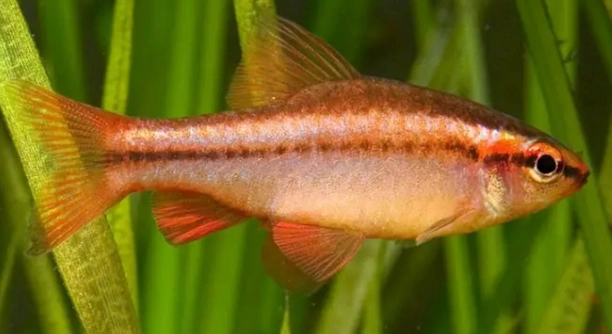
Have you ever stood near your aquarium and wondered if your Cherry Barbs can tell you’re there? These small, colorful fish are known for their energy and social behavior, which makes them a favorite in home tanks.
Cherry Barbs are capable of detecting nearby presence through a combination of vision and water vibrations. Their lateral line system allows them to sense movement and pressure changes in their environment, enabling them to respond to people approaching the tank.
Understanding how your Cherry Barbs perceive their surroundings can help you interact with them more gently and create a more peaceful aquarium space.
How Cherry Barbs Detect Movement
Cherry Barbs use both sight and their lateral line system to sense what’s happening around them. The lateral line is a series of pressure-sensitive cells along their sides. It helps detect movement and vibrations in the water, even subtle ones. This system is especially helpful in dim lighting or when predators are near. On top of that, their vision is quite good, allowing them to respond to movement outside the tank, especially if it’s close or sudden. They might swim toward you if they associate your presence with food or stay still if unsure. Over time, they begin to link certain movements or sounds with routines, like feeding time. This behavior can make it seem like they recognize you, but it’s more about sensing patterns and responding to them.
They aren’t recognizing you the way a dog might, but their awareness of your presence is real and based on their instincts.
Cherry Barbs rely on simple environmental cues. Their reactions are shaped by repeated exposure and learned behavior, not personal connection. Being aware of this helps you better manage their space.
The Importance of a Calm Environment
Sudden movement or loud sounds can cause stress in Cherry Barbs. Keeping the tank in a quiet, low-traffic area helps.
Stress from excessive movement near the tank can lead to hiding, changes in color, or reduced appetite. Cherry Barbs need consistent conditions to thrive. If they sense too much disruption, they might become withdrawn and less active. This is why it’s important to observe their behavior regularly. If they scatter when you enter the room, try moving slower or adjusting your routine. Their reactions are often linked to how often they experience calm versus chaos. Even lighting changes or vibrations from a vacuum can affect their comfort level. When Cherry Barbs feel secure, they display vibrant colors and swim freely. A peaceful environment encourages this. You’ll notice the difference in how they respond to you once they’ve learned the space is safe and predictable. Creating a steady atmosphere helps maintain their health and behavior.
Conditioning Through Routine
Cherry Barbs respond well to patterns. Feeding them at the same time each day helps them recognize routines. They may swim to the front of the tank or become more active when they sense a familiar sequence of events.
Consistency in your actions can influence how your Cherry Barbs behave around you. If you approach the tank gently before feeding, they may start linking your presence with food. Over time, they begin to anticipate feeding or interaction based on your movements. This kind of conditioned response is not true recognition but is still meaningful. Their behavior becomes predictable, and this can make tank maintenance or care easier. Avoid sudden changes to routine, as it can confuse them. A stable schedule makes them feel secure. Their reactions are built on repetition and comfort, which shows how sensitive they are to changes in their environment.
Conditioning doesn’t require tricks or special training. Simply walking up to the tank at the same time and doing the same motions daily can establish a reliable pattern. You’ll notice they start to expect you at those moments. They might even swim near the surface or become more animated. Repeating actions in a calm way helps them associate you with safety and predictability.
Light, Sound, and Movement Sensitivity
Cherry Barbs react to even small shifts in light or noise. Turning on bright lights quickly or walking heavily can startle them. Keeping your movements slow and your lighting steady helps keep them calm and active.
External factors like background noise and nearby activity can affect their behavior. Vibrations from footsteps, loud music, or even tapping on the glass can cause stress. Some Cherry Barbs hide more often when their tank is placed near a busy hallway or loud appliance. Providing plants or decorations can give them cover, but reducing unnecessary stimulation is more effective. Use soft lighting when entering the room. Avoid quick changes in brightness. Try to maintain a calm space, especially around their active hours. Over time, a quieter environment leads to more confident behavior. They explore more freely and appear brighter in color when they feel safe. This sensitivity makes it important to design their space with care.
Recognizing Familiar Patterns
Cherry Barbs may appear to recognize people, but it’s really about familiarity. Repeated exposure to your movements, sounds, and routines helps them feel more comfortable and responsive when you’re near.
Their response is shaped by learned association. If you handle feeding and maintenance, they become used to your presence and behavior.
Behavior Changes Over Time
As Cherry Barbs adjust to their environment, their reactions may change. At first, they might hide when you approach. But with time and consistency, they may begin to swim toward the front of the tank or display brighter colors. These changes reflect comfort, not personal attachment. They’re responding to the predictable presence of someone who isn’t causing stress. Repeated exposure helps them feel safe. If new people approach the tank, they might act shy or avoidant again. It takes time for them to adapt to unfamiliar movements or sounds. Their behavior reflects a process of slow learning based on environmental stability.
Why Observation Matters
Watching how your Cherry Barbs respond to daily activity can help you understand what makes them feel safe and what might be causing stress.
FAQ
Do Cherry Barbs recognize their owners?
Cherry Barbs do not recognize owners in the same way pets like dogs or cats do. However, they can become accustomed to regular patterns and movements, which makes them respond to you in a certain way. When you enter the room, they might swim toward you if they associate your presence with feeding or care routines. Their behavior is more about learning familiar routines rather than recognizing individual people.
How do Cherry Barbs sense when you’re near?
Cherry Barbs primarily rely on their lateral line system, which detects vibrations and movement in the water. This system allows them to sense nearby changes, even if there’s no visible movement. They also use their eyesight, which helps them notice changes in light or nearby objects. If you approach their tank regularly and consistently, they may begin to respond to your movements.
Can Cherry Barbs get stressed from human presence?
Yes, Cherry Barbs can get stressed by sudden movements or loud noises. If you make abrupt changes, such as tapping on the glass or turning on bright lights, they might hide or become less active. Over time, they can adapt to your presence if you approach them calmly and with a consistent routine.
How do Cherry Barbs react to new people?
When new people approach the tank, Cherry Barbs may act more timid or cautious. They are more likely to swim away or hide at first, especially if the new person makes sudden movements or produces loud sounds. With time, they may become more comfortable, but they generally take longer to adjust to unfamiliar individuals.
Are Cherry Barbs sensitive to water quality?
Yes, Cherry Barbs are highly sensitive to water quality. Poor water conditions can cause them to become stressed, lethargic, or prone to disease. Regular water changes and maintaining proper water parameters (such as temperature, pH, and ammonia levels) are essential for their well-being. In poor conditions, they might display abnormal behavior, like hiding or erratic swimming patterns.
Do Cherry Barbs need company?
Cherry Barbs are social fish and thrive in groups. Keeping them in a school of at least five or six will help reduce stress and allow them to display their natural behaviors. Without company, they may become more reclusive or less active. A group provides them with safety in numbers, and they tend to be more active and confident in a well-established group.
What can cause Cherry Barbs to stop swimming?
If your Cherry Barbs stop swimming, it may indicate stress, poor water quality, or illness. If they are hiding or staying in one spot, check the water parameters first. Low oxygen levels, high temperatures, or pollutants in the water can cause discomfort and make them less active. Stress from a sudden change in their environment or tank mates can also affect their behavior.
Do Cherry Barbs prefer certain tank conditions?
Yes, Cherry Barbs thrive in calm, well-maintained environments. They prefer a tank with gentle filtration, a consistent water temperature of 72-78°F (22-26°C), and slightly acidic to neutral pH (6.5-7.5). Providing live plants, hiding spaces, and soft, dim lighting can also help create a more comfortable setting for them.
How can I tell if my Cherry Barb is healthy?
Healthy Cherry Barbs are active, swim freely, and display vibrant color. They should not appear lethargic or hide for extended periods. Pay attention to their fins and scales; they should be smooth and undamaged. A healthy fish will also have a strong appetite and should not show signs of illness, such as clamped fins or cloudy eyes.
Can Cherry Barbs live with other fish?
Cherry Barbs are peaceful and generally do well with other non-aggressive species. They are good tank mates for other small, calm fish like tetras, guppies, or rasboras. However, avoid keeping them with aggressive fish or those that might outcompete them for food. A peaceful community tank is ideal for Cherry Barbs.
How do I encourage Cherry Barbs to breed?
Cherry Barbs are relatively easy to breed in the right conditions. To encourage breeding, ensure the water temperature is slightly higher than usual, around 78°F (25-26°C), and provide a variety of plants for the fish to hide and spawn. You can also feed them high-quality live or frozen food to increase their breeding readiness. Keep the breeding pair in a separate tank to prevent other fish from eating the eggs. After spawning, remove the adults to prevent them from eating the fry.
Why are my Cherry Barbs losing color?
Loss of color in Cherry Barbs may be a sign of stress, poor water quality, or illness. If the tank conditions are poor, such as high ammonia or low oxygen levels, the fish may appear dull or faded. Stress from environmental factors or other tank mates can also lead to a loss of vibrancy. Ensure that the water is clean and the temperature is stable, and check for any signs of illness or injury.
How often should I feed my Cherry Barbs?
Cherry Barbs should be fed two to three times a day with a small amount of food that they can consume within a few minutes. Overfeeding can lead to water quality issues, so it’s essential to provide just enough food. A balanced diet of high-quality flake food, pellets, and occasional live or frozen food will keep them healthy.
Can Cherry Barbs live with shrimp?
Yes, Cherry Barbs can live with shrimp, but there are some risks. While Cherry Barbs are not aggressive toward shrimp, they may still nip at their antennae or eat smaller shrimp. It’s best to keep them with larger shrimp or provide plenty of hiding spots to protect the shrimp from being targeted.
Final Thoughts
Understanding the behavior of Cherry Barbs helps to create a better environment for them in your tank. While they may not recognize you like a pet would, they can learn to associate your presence with feeding or regular care routines. This allows them to feel comfortable in their environment and can lead to more predictable behavior. Recognizing their patterns and preferences, such as response to light, noise, or movement, makes it easier to care for them and reduce stress.
Cherry Barbs thrive in stable environments where their routine is consistent. Changes in lighting, sudden loud noises, or erratic movements can stress them out. For the best experience, keep their environment calm and quiet. The more predictable the tank conditions are, the more relaxed the fish will be. With patience, they will become more comfortable with your presence, and you’ll be able to observe their natural behaviors, like swimming near the surface or greeting you during feeding time.
Although they don’t recognize individual people, Cherry Barbs’ behavior can reflect the care they receive. A steady routine and a well-maintained tank help them feel secure. Paying attention to how they react to different conditions and adjusting accordingly ensures their health and happiness. When you provide a stable environment, not only do the fish thrive, but you also get to enjoy their beauty and lively behavior. By keeping things simple and predictable, you can maintain a peaceful tank that benefits both you and your Cherry Barbs.

Hello,
If you enjoy the content that we create, please consider saying a "Thank You!" by leaving a tip.
Every little bit helps us continue crafting quality advice that supports the health, happiness, and well-being of pets around the world, for pets of all shapes, sizes, and species.
We really appreciate the kindness and support that you show us!