
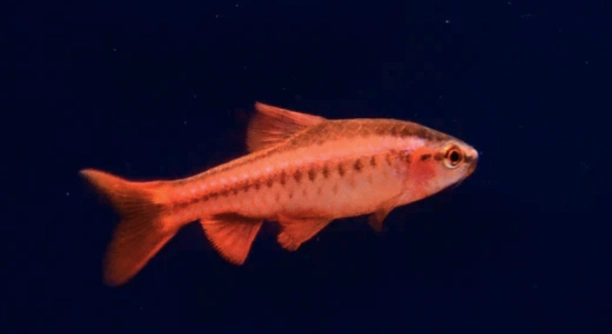
Have you ever looked into your fish tank and noticed your cherry barb swimming up to the glass, almost like it’s meeting a friend? Their behavior might make you wonder what they’re really seeing when they do that.
Cherry barbs can detect their reflection, but they do not recognize it as themselves. Instead, they respond to it as if it were another fish, often showing signs of social or territorial behavior.
Understanding how cherry barbs react to mirrors helps reveal more about their social instincts and what influences their daily movements inside the tank.
How Cherry Barbs React to Their Reflection
Cherry barbs often swim toward glass surfaces and interact with their reflection, especially when they’re alone or introduced to a new environment. What you’re seeing is not curiosity about themselves, but a natural response to what they believe is another fish. They may flare their fins, dart around, or even become slightly more aggressive. This behavior is usually linked to territory and social dynamics. In a tank, mirrors or reflective surfaces can trigger these reactions, making the cherry barb believe it’s dealing with a rival or potential mate. These behaviors are instinctive and not based on self-awareness. Unlike some species like dolphins or elephants, cherry barbs don’t recognize themselves in mirrors. Their brains are wired more toward survival and social cues, rather than self-perception. So while it may look like they’re admiring themselves, they’re really just reacting to what seems like a new arrival in their space.
This mirror-induced behavior is harmless in short periods. However, constant exposure may stress the fish out over time.
Providing plenty of hiding spots and a few tank mates can reduce the chances of your cherry barb getting overly stimulated by its reflection. It creates a more balanced and peaceful setting in the aquarium.
When Reflections Cause Stress
Too much exposure to their reflection can sometimes lead to unnecessary stress in cherry barbs.
If your fish is constantly flaring its fins, pacing back and forth, or aggressively charging at one spot on the glass, it may be reacting to its reflection. These signs suggest that the cherry barb is under the impression that another fish is threatening its space. This can increase cortisol levels, weaken immune response, and impact appetite. If left unaddressed, it may cause long-term behavioral issues or lead to more aggressive interactions with other tank mates. A good way to manage this is by changing the tank layout slightly or placing objects along the glass that reduce reflections. Background covers or floating plants also help. If you notice repeated behavior linked to reflection, try to identify light sources or angles that may be causing excessive glare. A small change in lighting can make a big difference. Always monitor for signs of stress and adjust the environment accordingly.
How Environment Affects Reflection Behavior
Lighting, tank placement, and background color can all influence how often cherry barbs notice their reflection. Bright lights or clear tank walls can make reflections more visible, which can lead to more frequent reactions from the fish.
Tank lighting that comes from above or the side can cast clearer reflections along the glass. If your cherry barb seems to be reacting often, observe when it happens—daylight hours or during artificial lighting can make a big difference. Backgrounds that are light-colored or bare also tend to reflect more. A darker or textured backdrop can help tone this down. You can also add plants or decorations near the tank walls to break up reflections. Cherry barbs do better when they feel their space is stable and calm. It’s not always about hiding the glass, but rather controlling what shows up in it and when.
Moving the tank slightly or angling it away from windows can reduce glare and unwanted reflections. It doesn’t need to be drastic—just enough to soften the visual effect. Also, try using adjustable lighting to lower the brightness during certain times. Some hobbyists find success with frosted backgrounds or adding tall plants in corners. These small changes make the tank feel more secure for your fish. Cherry barbs, like many small fish, rely heavily on visual cues. When these cues are too strong or frequent, it can disrupt their normal behavior. Observation is key—watch how your fish acts after each change, and adjust only as needed to keep the tank peaceful and balanced.
Why Some Cherry Barbs React More Than Others
Not all cherry barbs respond the same way to their reflection. Some might show no interest, while others may become noticeably active or even aggressive. Age, personality, and past experiences can all play a part in how each fish reacts.
Younger cherry barbs tend to be more curious and energetic, which often results in more interaction with their reflection. Males, especially during breeding periods, may also show increased territorial behavior. This means they’re more likely to flare their fins or posture when they see a mirror image. On the other hand, older or more timid cherry barbs might ignore their reflection completely or react only slightly. Environmental changes or stress levels can amplify these responses too. For example, a newly added fish might react more strongly to a reflection than one that has settled in. Watching how each individual responds over time helps you create a better environment that suits their needs.
Common Misunderstandings About Mirror Use
Some fish owners place mirrors in tanks to encourage activity, thinking it entertains the fish. While it may seem stimulating, repeated exposure can create stress rather than engagement, especially in territorial species like cherry barbs.
Another common belief is that all fish know it’s just a reflection. Most do not. Cherry barbs usually interpret their mirror image as another fish, which can lead to false social signals and confusion over time.
Tips to Reduce Reflection Stress
To help lower reflection-related stress, place decorative items like driftwood or tall plants along the sides of the tank. These objects can interrupt clear reflections and give cherry barbs more places to explore or hide. Avoid placing the tank near bright windows or mirrors that can bounce extra light. If needed, use a dark tank background or frosted film to block direct reflections. Keep the water level steady and the glass clean to avoid extra glare, and regularly observe how your fish reacts to changes. A few careful adjustments often go a long way in keeping your cherry barbs calm and healthy.
When to Seek Help
If your cherry barb shows signs of constant stress like fin damage, poor appetite, or erratic swimming, it may be time to ask a vet or aquarium specialist for advice.
FAQ
Do cherry barbs recognize their own reflection?
Cherry barbs do not recognize themselves in the reflection. Instead, they often perceive the image as another fish. This triggers social behaviors like territorial displays or attempts to interact with what they believe is a rival or potential mate. Their reaction is purely instinctive, not based on self-awareness. This is typical of many fish species, as they don’t possess the cognitive ability to understand their reflection as themselves.
Can mirrors harm cherry barbs in the long run?
Repeated exposure to mirrors can cause stress in cherry barbs. Constantly seeing their reflection might lead to aggressive behavior, such as flaring fins or chasing the image. Over time, this stress can impact their health, making them more susceptible to diseases and possibly affecting their appetite or behavior. It’s best to use mirrors sparingly and not leave them in the tank for prolonged periods. If you want to observe their behavior, consider placing the mirror for only a short time and then removing it.
How can I tell if my cherry barb is stressed due to its reflection?
Signs of stress include unusual swimming patterns like erratic movements, rubbing against objects, or a lack of appetite. If you notice your cherry barb constantly charging at the glass, flaring its fins, or spending too much time near reflective surfaces, these may indicate that the fish is responding to its reflection. Stress can also show as faded colors or lethargy. If these signs persist, it may be a good idea to change the tank setup or reduce the reflection-triggering factors in the environment.
What are the best ways to minimize reflection stress in a cherry barb tank?
To minimize reflection stress, consider adding more decorations, plants, or driftwood to break up the glass surfaces. This helps prevent the reflection from being as clear. You can also place the tank away from windows to avoid sunlight creating glaring reflections on the glass. Using darker tank backgrounds or frosted film can also help block reflections. A dimmer light setup can further reduce glare and avoid overstimulating your fish. Consistent changes in the tank environment, like rearranging items, can also help the fish feel less threatened by perceived intruders.
Does the size of the tank affect how cherry barbs react to their reflection?
The size of the tank can play a role in how cherry barbs interact with their reflection. In smaller tanks, fish are more likely to come into direct contact with the glass, increasing the chances of seeing their reflection. In a larger tank, there may be more room to move around, reducing the frequency of encounters with the glass. However, even in large tanks, reflections from surrounding surfaces or lights can still affect the fish. Proper tank placement and decoration are key factors in managing this.
Can I use a mirror to encourage breeding behavior in cherry barbs?
Using a mirror to encourage breeding behavior may not be effective and can potentially lead to more stress rather than successful breeding. While some species may exhibit breeding behavior in response to reflections, cherry barbs are more likely to become territorial and stressed. Instead, focus on maintaining optimal water conditions, such as the right temperature and pH, and ensuring the tank has plenty of hiding spaces and plants for the fish to feel comfortable and secure. Stress from reflections can actually hinder breeding attempts.
How long should I leave a mirror in the tank for my cherry barbs?
If you’re curious to see how your cherry barbs will react to their reflection, it’s best to keep the mirror in the tank for only short periods, like 5 to 10 minutes. This prevents overstimulation and gives you the chance to observe their natural responses without causing too much stress. After a brief period, remove the mirror and monitor how the fish behaves afterward. If the cherry barbs seem calmer without the reflection, avoid leaving the mirror in the tank for extended times.
Are cherry barbs more likely to react to their reflection in certain conditions?
Yes, cherry barbs may be more sensitive to their reflection in certain conditions. They are more likely to become agitated if they are in a smaller tank, exposed to bright lighting, or placed near reflective surfaces. Similarly, during breeding seasons, males may be more territorial and react more strongly to reflections. Other factors like tank changes, environmental stress, or new additions to the tank can also make cherry barbs more responsive to their reflection. Being mindful of these factors can help you manage their environment better.
Can cherry barbs recognize other fish through reflections?
While cherry barbs cannot recognize themselves, they can distinguish between other fish, especially when they are active in the tank. If they see a reflection of another fish in the glass, they may react based on their social structure or territorial behavior. Cherry barbs are social fish and can become agitated if they think another fish is invading their territory, even if it’s just a reflection. Their reactions depend on the other fish’s behavior in the tank and how they perceive that reflection as a competitor or a potential mate.
Is it okay to have cherry barbs in a tank with reflective surfaces?
Having reflective surfaces in a tank is not inherently harmful, but it can cause problems if the reflections overstimulate the fish. The key is moderation. Avoid placing mirrors or reflective objects where the fish can constantly see them. Instead, use plants or decorations to break up large glass surfaces. Ensuring that the tank is placed in an area with minimal external light reflections also helps in reducing stress. With the right setup, reflective surfaces can be part of a peaceful tank environment, but constant exposure should be avoided.
Final Thoughts
Cherry barbs, like many fish, respond to their reflection as if it were another fish. This behavior is based on natural instincts rather than self-awareness. While it may seem amusing to watch them interact with their reflection, it’s important to understand that these reactions are driven by territorial and social behaviors. When a cherry barb sees its reflection, it may flare its fins, chase, or act more aggressively, thinking it is facing a rival or competing fish. This is not a sign of self-recognition but rather a response to perceived threats or potential mates. So, while it may appear as if your fish is admiring itself, it is, in reality, reacting to an external stimulus.
The effects of reflections on cherry barbs can be positive or negative, depending on the frequency and intensity of their exposure. Short-term interactions with their reflection usually do not cause harm. However, if cherry barbs are constantly exposed to their reflection, stress can build up. Stress in fish can lead to a weakened immune system, behavioral changes, and other health problems. It’s important to observe your fish closely and notice signs of distress, such as erratic swimming or loss of appetite. If these behaviors are linked to reflections, making simple changes in the tank can help. Moving decorations, adjusting the lighting, or placing plants near the tank glass can limit the clarity of reflections, creating a calmer environment for your fish.
In the end, while cherry barbs don’t have the cognitive ability to recognize themselves in a mirror, they do respond to the world around them, including their reflection. It’s essential to create an environment that minimizes unnecessary stress, allowing your fish to live a healthier and more peaceful life. By observing their behavior and making small adjustments, you can ensure your tank remains a place of comfort for your cherry barbs. With proper care, your fish will thrive, and you can enjoy watching them interact with their environment in a natural, stress-free way.

Hello,
If you enjoy the content that we create, please consider saying a "Thank You!" by leaving a tip.
Every little bit helps us continue crafting quality advice that supports the health, happiness, and well-being of pets around the world, for pets of all shapes, sizes, and species.
We really appreciate the kindness and support that you show us!