
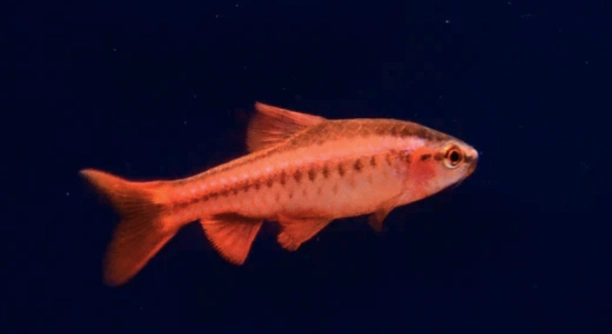
Do you ever find yourself watching your cherry barbs swim and wonder if they’re picking up on your mood or energy?
Cherry barbs do not sense human emotions in the way mammals might, but they can respond to changes in their environment, including owner behavior. Subtle shifts in movement, tone, and handling may influence their behavior.
Understanding how your presence affects your cherry barbs can help you build a calmer and more enriching environment for them.
How Cherry Barbs React to Human Presence
Cherry barbs are peaceful freshwater fish known for their calm nature and active swimming patterns. While they don’t recognize faces like some pets do, they can still respond to regular human interaction. For example, cherry barbs may swim to the front of the tank when someone approaches, especially if they associate that presence with feeding or changes in their environment. Bright lighting, sudden movement, or loud noises can startle them, showing that they are aware of activity outside the tank. These fish rely on visual and vibrational cues, so consistent behavior from the owner may lead to more noticeable patterns in their response. When observing them daily, you might notice subtle changes in their swimming pace or where they position themselves, especially during feeding times. Over time, cherry barbs can learn routines and show recognition through conditioned responses, even if they are not sensing emotions in the human sense.
They’re not forming emotional connections, but they are learning patterns in their environment, which includes you.
A calm environment with consistent care helps them feel secure. Loud environments, irregular routines, or rough tank maintenance may cause stress or erratic swimming. Creating a stable setting improves their comfort and helps reinforce positive associations with your presence.
Behavior Cues and Emotional Interpretation
Cherry barbs are sensitive to their surroundings. While they may not sense happiness or sadness, they can react to stress signals such as loud talking, quick movements, or irregular lighting. These changes might lead to hiding, loss of appetite, or skittish behavior.
When owners maintain a stable tank environment and consistent feeding schedule, cherry barbs tend to behave more confidently. They may swim more openly, eat more regularly, and interact with tank mates with less hesitation. Although they aren’t interpreting emotions, they are reacting to the energy and consistency of your behavior. If you approach the tank calmly and avoid sudden movements, your cherry barbs are likely to remain relaxed. On the other hand, inconsistent interaction may confuse or stress them. This sensitivity highlights their ability to detect change rather than feel empathy. Observing their behavior closely allows you to adjust your actions and maintain a calm, healthy space for them.
How Environment Influences Cherry Barb Behavior
Cherry barbs respond best in stable tank conditions. Temperature shifts, water changes, or new decorations can affect their comfort. They may become more reserved or stressed when environmental changes happen too quickly or frequently without time to adjust.
A balanced setup with proper lighting, consistent temperature, and hiding spots helps keep them at ease. Water quality matters, so regular checks for pH, ammonia, nitrite, and nitrate levels are important. Stressful surroundings can make cherry barbs hide, reduce feeding, or interact less with tank mates. By keeping noise around the tank low and avoiding sudden movement, you’re helping them feel safe. Gentle water flow and calm lighting also play a role. These fish learn patterns in their surroundings. If the space feels peaceful, they swim more freely and maintain healthy eating habits. A stable home leads to more confident and relaxed behavior from your cherry barbs.
When the environment feels secure, cherry barbs are more likely to thrive and interact with their tank mates. Observing their activity levels and feeding habits over time can tell you a lot about their comfort. If something changes and they suddenly act differently, consider if something in their environment may have shifted too quickly or become unfamiliar.
Understanding Your Role as a Caretaker
Cherry barbs don’t bond with people emotionally, but your presence still shapes how they behave. Feeding schedules, movement near the tank, and tone of voice influence their reactions. Repetition teaches them what to expect, even if they’re not recognizing you the way a dog might.
Routine care helps build a more relaxed space. Clean the tank gently, feed at the same times, and avoid sudden motions when nearby. These habits help your cherry barbs adjust to you as a consistent presence. Their reactions—such as swimming toward you or acting calmer when you’re nearby—aren’t emotional connections, but signs that they’ve learned your patterns. This shows that while cherry barbs don’t sense feelings like sadness or joy, they still notice how you interact with their space. Creating a predictable routine helps keep them comfortable, which leads to better feeding, healthier social behavior, and overall calmness in the tank.
Signs of Stress and Discomfort
Cherry barbs may hide more often, lose color, or swim erratically when stressed. Changes in appetite or increased aggression toward tank mates can also signal that something in their environment is affecting them negatively.
Quick movements, loud sounds, or sudden changes in tank conditions can make them uneasy. Staying consistent helps reduce this stress.
How to Create a Calm Environment
Use plants and decorations to offer hiding spaces, which help cherry barbs feel safe. Keep lighting moderate and avoid strong currents. Regular tank maintenance and water checks reduce stress. Feed them on a routine to keep their behavior predictable. Interact with the tank gently and calmly to avoid startling them. Consistent care and stable surroundings help them stay active, healthy, and peaceful. They may not connect with you emotionally, but they will react more calmly and comfortably when you respect their space and keep their environment balanced. Observing these small behavioral shifts helps you adjust care as needed.
Final Thoughts
They might not feel emotions like we do, but they respond to how we treat their space and how consistent we are.
FAQ
Can cherry barbs recognize their owner?
Cherry barbs cannot recognize individual people the way mammals do. However, they can learn patterns related to routine and behavior. If you’re the one feeding them consistently, they may swim toward the glass when they see you approach. This isn’t emotional recognition, but rather a learned response to a regular action. Repetition helps them form habits, and over time, they may appear more interactive with you during certain times of day, especially if they expect food or care. Their reactions are based on association, not memory of your face or voice.
Do cherry barbs get stressed by noise and movement?
Yes, cherry barbs are sensitive to vibrations, sudden movement, and loud sounds near their tank. These factors can trigger stress, leading to changes in behavior like hiding, rapid swimming, or reduced feeding. Try to avoid tapping on the glass or placing their tank in a high-traffic area. Calm surroundings help them stay relaxed. If their environment stays steady, they’ll be more likely to swim out in the open, interact with other fish, and show healthy appetite and activity levels. Keeping noise and sudden changes low is important for their overall comfort.
Can cherry barbs feel emotions like sadness or happiness?
Cherry barbs don’t feel emotions in the same way humans do. They don’t experience sadness or joy as we know them. Instead, they react to changes in their environment through behavior. Stress, comfort, fear, and security are all expressed through actions like hiding, eating habits, and swimming patterns. While they don’t feel affection, they can associate your presence with positive things like food and stability. This makes them behave in ways that might seem emotional, but these reactions are based on survival and learned behavior rather than feelings.
What are signs that a cherry barb is comfortable in its tank?
When cherry barbs are comfortable, they swim openly and smoothly around the tank. Their colors appear more vibrant, and they show interest in food. A comfortable cherry barb will also interact with other tank mates in a calm manner, without signs of aggression or stress. If they are using hiding spots occasionally but still coming out to explore, that’s a good balance. Skittish or erratic movement, fading color, or long periods spent hiding could signal discomfort. Monitoring their daily behavior helps you notice subtle signs that show how well they’re adapting to their surroundings.
Is it okay to interact with cherry barbs outside of feeding times?
Yes, gentle interaction is fine. Watching them or moving slowly near the tank helps them get used to your presence. Just avoid loud noises or quick gestures that might startle them. Tapping on the glass should also be avoided. Over time, cherry barbs can grow more comfortable with your movements and may respond by swimming closer or remaining calm when you’re nearby. These actions aren’t based on bonding, but familiarity. Keeping your actions predictable and calm helps them feel safe, which supports healthy behavior and reduces stress.
How many cherry barbs should be kept together?
Cherry barbs are schooling fish and do best in groups of at least five or six. Being in a group helps them feel secure and reduces stress. A single cherry barb may become withdrawn or anxious, showing poor coloration and erratic behavior. In a proper group, their natural behaviors like shoaling and peaceful swimming become more visible. It also helps spread out social stress and prevents aggression. A spacious tank with hiding spots and swimming room makes group living smoother. Social interaction within their species plays a key role in their mental and physical health.
Can stress in cherry barbs be reversed?
Yes, with consistent care and the right changes, stressed cherry barbs can return to a healthier state. First, check for water quality issues, aggressive tank mates, or environmental disturbances like loud noise or frequent lighting changes. Once the cause is removed or adjusted, their behavior may gradually improve. Adding plants or hiding places can also help. A quiet, well-maintained environment allows them to feel safe. Feeding them on a regular schedule and avoiding sudden changes are key steps. Over time, you’ll notice brighter colors, steadier swimming, and increased interest in food and activity.
Final Thoughts
Cherry barbs may not feel emotions like humans, but they are sensitive to their environment and routines. They notice changes, react to stress, and can recognize patterns in daily care. When they feel safe and comfortable, they display calmer behavior, brighter colors, and more interest in food and activity. These responses are not based on emotions like love or joy, but on instinct and habit. Their behavior is a reflection of how well their basic needs are being met. A clean tank, stable water conditions, and gentle surroundings all contribute to their well-being.
Consistency is key when caring for cherry barbs. Feeding them at regular times, keeping tank conditions steady, and avoiding loud noises or sudden movements help them feel secure. They do not bond with their owner in a personal or emotional way, but they do recognize routine and respond to predictable interactions. Over time, this can create the appearance of a connection. While it’s not the same as the affection you might receive from a dog or cat, it’s still rewarding to see your fish thrive under your care.
By watching how your cherry barbs behave, you can learn what makes them feel calm or stressed. Small changes, like adding more plants or reducing light exposure, can make a noticeable difference in their comfort. Every fish is different, and paying attention to their daily habits helps you understand what works best for them. Even though they can’t express emotions with facial expressions or sound, their body language is enough to show when something is wrong or right. Respecting their space and keeping things steady is the best way to support their health. They may never feel bonded to you emotionally, but they can still respond in meaningful ways when treated with care and patience.

Hello,
If you enjoy the content that we create, please consider saying a "Thank You!" by leaving a tip.
Every little bit helps us continue crafting quality advice that supports the health, happiness, and well-being of pets around the world, for pets of all shapes, sizes, and species.
We really appreciate the kindness and support that you show us!