
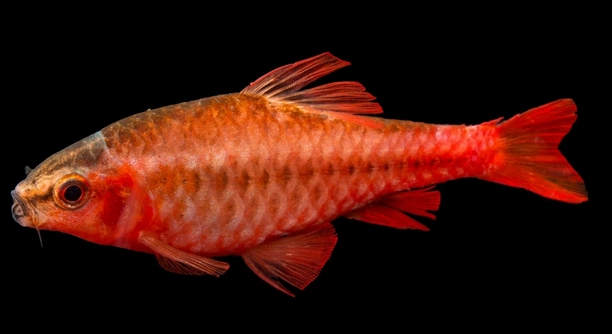
Cherry Barbs are popular aquarium fish known for their peaceful nature and vibrant color. Keeping them with compatible tankmates is essential for their well-being. Understanding how they interact with their companions can improve their living conditions.
Cherry Barbs have the ability to recognize their tankmates, especially in the context of social interactions and territorial behavior. They may distinguish between familiar and unfamiliar fish, enhancing group dynamics and reducing stress in a shared environment.
Understanding their social behavior is key to creating a harmonious aquarium. This knowledge can help you choose the best tankmates to keep your Cherry Barbs happy and healthy.
How Cherry Barbs Interact with Tankmates
Cherry Barbs are known for their calm and peaceful nature, which makes them excellent community fish. They typically get along well with other species, as long as the tankmates are not too aggressive. However, like all fish, they have specific needs when it comes to tankmates. Cherry Barbs are social creatures and feel more comfortable when surrounded by other Cherry Barbs or similar species. These fish are not territorial but do prefer a well-planted aquarium with plenty of hiding spaces. The presence of other peaceful fish helps them feel secure, reducing stress and promoting overall health. A well-balanced environment is essential for ensuring that Cherry Barbs coexist harmoniously with others.
Adding compatible fish to the tank, such as small, non-aggressive species, can enhance the Cherry Barbs’ experience. Their natural behavior thrives in the company of other peaceful species, which encourages socialization and reduces aggression.
Understanding the social structure of your tank will improve the quality of life for all inhabitants. Proper fish selection and tank setup make a significant difference in reducing stress. Cherry Barbs can easily identify their companions, allowing them to form bonds within the group. Additionally, this recognition helps them avoid conflicts with unfamiliar fish. Keeping them with non-aggressive species prevents bullying and creates a balanced environment for everyone.
Behavior and Bonding in the Aquarium
Recognizing their tankmates enables Cherry Barbs to interact more efficiently. By establishing bonds with other fish, they form a community that benefits the overall tank environment. In particular, when they recognize other Cherry Barbs, they tend to school together, which reduces stress levels and helps them thrive.
Fish that share similar social behaviors and temperament are better suited for tank companionship. It’s important to focus on the needs of both species when making tankmate choices. In a tank with Cherry Barbs, peaceful fish like Corydoras, Neon Tetras, and other non-aggressive species do well. These combinations minimize stress and support the natural behavior of all fish.
Cherry Barbs may also develop a familiarity with other species that are peaceful and non-competitive for food or territory. They are not aggressive and will rarely challenge other fish unless they feel threatened. Their ability to recognize their tankmates improves their behavior, allowing them to live more peacefully. Understanding this dynamic is crucial when selecting tankmates and arranging their environment. This awareness helps ensure that all fish remain comfortable and stress-free.
Tank Size and Setup
The size of your tank plays a crucial role in how well Cherry Barbs interact with their tankmates. A larger tank provides more space for each fish to claim a small territory, reducing stress. It’s essential to have plenty of hiding places and plants for the fish to feel secure.
Cherry Barbs thrive in tanks that provide both swimming space and sheltered areas. A well-planted aquarium offers comfort and helps maintain water quality. They tend to swim in groups, so it’s important to provide enough space for multiple fish to coexist without feeling cramped. Overcrowding can lead to stress and aggression, disrupting the peaceful environment they need.
Additionally, a tank with appropriate filtration and water movement will contribute to the overall health of your Cherry Barbs and their tankmates. Maintaining water parameters such as temperature, pH, and hardness is essential for creating a stable environment. A larger tank with proper filtration and setup ensures that your Cherry Barbs feel secure and interact positively with their companions.
Recognizing Aggressive Tankmates
Cherry Barbs are peaceful, but they can recognize aggressive behavior from other fish. They may retreat into hiding spots or school together to avoid conflict. Their social structure helps them stay safe when threatened by more dominant fish in the tank.
Aggressive fish can disrupt the peaceful behavior of Cherry Barbs and other tankmates. This is why selecting tankmates that share similar temperaments is so important. When housed with aggressive fish, Cherry Barbs may become stressed, which can lead to health problems. They are not built to handle constant aggression and will usually retreat rather than fight back.
Fish with dominant personalities can also affect the dynamics of the tank. The best way to avoid conflict is by carefully selecting peaceful, non-aggressive species that won’t stress the Cherry Barbs. If you’re unsure, research each species’ temperament to ensure compatibility. A peaceful tank environment is essential for keeping all the fish happy and healthy.
Social Interaction with Other Species
Cherry Barbs are social fish, but their ability to interact with other species depends on the compatibility of the tankmates. They tend to be more active and healthy when surrounded by peaceful fish that won’t stress them out.
While Cherry Barbs are calm, they thrive in a group of their own kind. If housed with other peaceful species, they are likely to school together, creating a harmonious environment. They can recognize familiar fish and feel more at ease when interacting with them. However, aggressive species can disrupt this behavior, leading to stress and even illness.
It’s important to choose tankmates that won’t disturb the Cherry Barbs’ peaceful nature. Tankmates like Corydoras, Neon Tetras, and small peaceful fish make great companions. Ensuring a calm and cooperative environment is essential for maintaining the well-being of all species.
Importance of Water Quality
Cherry Barbs are sensitive to changes in water quality, and their interactions with tankmates can be influenced by poor water conditions. Consistently clean water promotes better health and behavior.
Keeping water quality at optimal levels is essential for the health of Cherry Barbs. They are particularly sensitive to changes in ammonia, nitrites, and nitrates. Maintaining stable water parameters helps them feel secure and reduces stress. Regular water changes, good filtration, and monitoring the tank conditions will prevent any harmful fluctuations that could affect their social behavior.
Good water quality also supports a healthy environment for their tankmates, creating a balanced ecosystem. Fish that feel healthy and comfortable are more likely to interact positively with each other, which improves the overall atmosphere of the tank.
Fish Recognition and Schooling
Cherry Barbs are known for schooling together when they feel secure. Recognizing each other’s presence strengthens their bond and creates a stable group dynamic. This behavior is crucial for their mental and physical health.
Schooling offers Cherry Barbs a sense of protection and helps them avoid stress. When they recognize their tankmates, they are more likely to stay together, minimizing the risk of bullying or aggression from other fish. They tend to follow each other, swimming in the same direction and maintaining the group structure. This behavior also reduces their need to defend themselves, as they rely on the school for protection.
FAQ
Can Cherry Barbs live with other species?
Yes, Cherry Barbs can live with other species as long as they are peaceful and non-aggressive. They are social fish and benefit from the company of other calm tankmates. Fish such as Corydoras, Neon Tetras, and other small, peaceful species are ideal companions. Avoid aggressive fish, as they may stress out the Cherry Barbs or cause territorial issues.
Do Cherry Barbs recognize their tankmates?
Yes, Cherry Barbs can recognize their tankmates. They have the ability to identify other fish within their environment. This recognition helps them maintain their social structure, and they tend to school together when they feel comfortable. They will often interact more with familiar fish, which reduces stress and promotes better health.
What is the best tank size for Cherry Barbs?
The ideal tank size for Cherry Barbs is at least 20 gallons for a small group. They are active swimmers and need space to move around. A larger tank with plenty of plants and hiding spots will create a more natural and comfortable environment. Overcrowding should be avoided as it can lead to stress and territorial disputes.
How many Cherry Barbs should I keep together?
Cherry Barbs are schooling fish, and it is best to keep at least five or more together. A small group of Cherry Barbs helps them feel more secure and promotes natural social behavior. A group of six or more will create a more harmonious atmosphere and allow them to exhibit their natural schooling behavior.
What temperature should the water be for Cherry Barbs?
Cherry Barbs prefer water temperatures between 72°F and 80°F (22°C to 27°C). Consistent water temperature is important for their health and comfort. It is recommended to use a reliable aquarium heater to maintain a stable temperature, as sudden fluctuations can stress them out and affect their interactions with tankmates.
Are Cherry Barbs aggressive?
No, Cherry Barbs are not aggressive. They are peaceful and social fish that prefer to school with others. However, they may display territorial behavior if their environment is too small or overcrowded. They will generally avoid confrontation with other fish unless they feel threatened or crowded.
What should I feed Cherry Barbs?
Cherry Barbs are omnivores and will eat a variety of foods, including high-quality flakes, pellets, frozen foods like bloodworms or brine shrimp, and occasional vegetables like zucchini or spinach. A varied diet helps keep them healthy and active. Overfeeding should be avoided to prevent poor water quality.
How long do Cherry Barbs live?
Cherry Barbs typically live for 3 to 5 years in a well-maintained aquarium. Their lifespan can vary depending on water quality, diet, and overall care. Regular tank maintenance and keeping water conditions stable will help extend their lifespan and ensure they remain healthy.
Can Cherry Barbs live with Betta fish?
Cherry Barbs can generally live with Betta fish if the Betta is not overly aggressive. However, Betta fish can be territorial, especially with other males or long-finned fish. Since Cherry Barbs are peaceful and small, they may avoid the Betta and keep out of its way. It’s important to monitor their behavior closely to ensure there are no signs of aggression.
How do Cherry Barbs show stress?
Cherry Barbs show stress through a variety of signs, including hiding more than usual, reduced activity, faded colors, and erratic swimming behavior. Stress can result from poor water quality, overcrowding, or incompatible tankmates. Addressing the underlying cause will help reduce stress and restore the fish’s health.
Do Cherry Barbs need a filter?
Yes, Cherry Barbs need a filter to maintain good water quality. A filter helps remove excess waste, maintain proper oxygen levels, and reduce the risk of harmful toxins like ammonia and nitrates building up in the water. A good filter is essential to keeping the tank clean and healthy for all fish.
Final Thoughts
Cherry Barbs are a great addition to many aquariums due to their peaceful nature and attractive colors. They are easy to care for, making them suitable for beginners and experienced fish keepers alike. When kept in a properly sized tank with the right water conditions, Cherry Barbs can thrive and interact harmoniously with other peaceful species. Their ability to recognize tankmates and school together provides a sense of security, helping to reduce stress and promote a healthier environment.
While they are generally peaceful, it is essential to select appropriate tankmates. Aggressive or territorial fish can disrupt the peaceful behavior of Cherry Barbs, leading to stress or injury. Fish such as Corydoras, Neon Tetras, or small non-aggressive species are ideal companions. Additionally, ensuring that the tank is large enough with plenty of hiding spots and plants will help minimize stress and encourage natural behavior. Keeping Cherry Barbs in groups is another important factor for their well-being, as they feel safer and more comfortable in a school.
Overall, with the proper care and attention, Cherry Barbs can be a rewarding species to keep. Providing a stable environment with good water quality and the right tankmates will help them thrive. Their peaceful nature, ability to recognize and interact with other fish, and attractive appearance make them an excellent choice for many aquarists. As long as their needs are met, Cherry Barbs will add beauty and calm to any tank.

Hello,
If you enjoy the content that we create, please consider saying a "Thank You!" by leaving a tip.
Every little bit helps us continue crafting quality advice that supports the health, happiness, and well-being of pets around the world, for pets of all shapes, sizes, and species.
We really appreciate the kindness and support that you show us!