
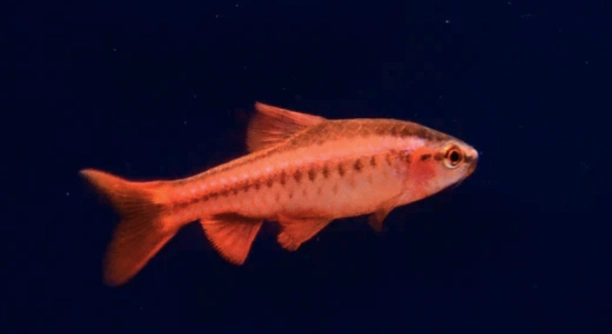
Cherry Barbs and Tetras are popular fish in home aquariums, known for their vibrant colors and peaceful nature. Many aquarium enthusiasts often wonder about their compatibility in shared tanks. Understanding their behavior can lead to a harmonious setup.
Cherry Barbs and Tetras can live together, as they both prefer peaceful environments and similar water conditions. However, monitoring their interactions is important, as certain Tetra species may exhibit more aggressive behaviors, potentially stressing the Cherry Barbs.
Ensuring the right tank conditions and providing enough space for both species will help promote peaceful coexistence. By following these tips, you can create a thriving, balanced aquarium.
Factors Affecting Compatibility Between Cherry Barbs and Tetras
When considering the compatibility of Cherry Barbs and Tetras, it’s important to look at the individual species of Tetras. Most Tetras, like Neon and Black Skirt Tetras, are generally peaceful and do well with Cherry Barbs. However, some Tetra species, like the Serpae Tetra, can be more aggressive, which could stress the Cherry Barbs. The tank setup also plays a big role. Cherry Barbs and Tetras thrive in well-planted aquariums with plenty of hiding spots. Without enough space to swim freely or areas to retreat, the fish may become stressed and more prone to conflict.
Tetras tend to stay in groups, so it’s essential to keep a larger number of them in a tank. This helps reduce aggression towards other species, including Cherry Barbs. On the other hand, Cherry Barbs should also be kept in groups of at least five or more to ensure they feel secure.
While both species are peaceful, it’s vital to monitor how they interact, especially if you introduce new fish to the tank. Ensuring they have adequate space and resources will reduce the chance of territorial behavior.
Water Conditions and Tank Setup
The water conditions play a major role in ensuring the peaceful coexistence of Cherry Barbs and Tetras. Both species prefer slightly acidic to neutral water with a temperature range of 72–78°F. It’s essential to maintain consistent water parameters to reduce stress.
Tetras and Cherry Barbs are generally adaptable, but fluctuating water conditions can lead to aggression or health problems. Having a reliable filtration system will help maintain water quality, keeping the fish happy. Proper water changes and keeping an eye on the tank’s pH levels are essential steps.
Providing a spacious tank, ideally at least 30 gallons, is crucial for these species. With enough swimming space and hiding spots, the fish can avoid territorial disputes. Adding plants like Java Ferns or Anubias will provide shelter, allowing both species to thrive. By setting up a suitable tank environment, you can enhance the compatibility between Cherry Barbs and Tetras.
Feeding Habits of Cherry Barbs and Tetras
Both Cherry Barbs and Tetras are omnivores, enjoying a varied diet. They eat high-quality flake foods, pellets, and frozen or live foods like brine shrimp or bloodworms. It’s essential to feed them in moderation to prevent overfeeding and maintain water quality.
Although both species are easy to feed, it’s important to cater to their dietary needs. Cherry Barbs may prefer more plant-based food, while Tetras tend to enjoy a balanced mix. Offering them a variety of foods ensures they get the nutrients they need while preventing boredom. This helps in keeping them healthy and active.
Feeding them at the same time can reduce any competition between them. However, if you have more aggressive fish, it may be better to scatter food around the tank to give everyone a chance to eat without stress. This approach will promote a peaceful environment and keep both Cherry Barbs and Tetras well-fed.
Tank Mates and Other Species to Consider
When considering tank mates for Cherry Barbs and Tetras, focus on peaceful, non-aggressive species. Avoid larger, more territorial fish that could intimidate or harm the smaller Cherry Barbs. Other peaceful community fish, like Corydoras or Otocinclus catfish, make excellent companions.
Keeping fish that share similar temperaments and care requirements will create a balanced ecosystem. Additionally, consider the size of the tank, as larger fish may require more space, potentially causing stress to the smaller fish. When introducing new tank mates, always ensure that the existing fish are not overly territorial or aggressive.
By choosing the right companions, you’ll ensure that both Cherry Barbs and Tetras remain healthy and happy. These fish will interact peacefully, without competition for resources or space. This will lead to a more harmonious tank environment where all species can coexist.
Tank Size Considerations
A tank size of at least 30 gallons is recommended for both Cherry Barbs and Tetras. While they are small fish, they require ample swimming space to feel secure. A larger tank allows for more hiding spots and reduces the risk of territorial issues.
If you choose a smaller tank, monitor the fish closely for any signs of stress or aggression. Overcrowding can lead to stress, illness, and disrupted social behaviors. Ensure the tank is well-filtered and maintained to keep water quality high, preventing issues related to poor living conditions.
With proper tank size and maintenance, Cherry Barbs and Tetras can thrive together, making your aquarium more enjoyable to observe.
Lighting Requirements
Both species thrive under moderate lighting. Too much light can stress them, leading to behavior changes, while too little can hinder plant growth. Ideally, use low to moderate light levels to create a balanced environment.
Lighting also impacts plant growth, which in turn provides natural hiding spots for the fish. Proper lighting helps keep the aquarium aesthetically pleasing while ensuring the health of both the fish and plants.
Maintaining a consistent light schedule helps regulate the fish’s circadian rhythm and reduces stress.
Potential Challenges with Cherry Barbs and Tetras
While these two species generally get along well, some challenges can arise. For example, if the Tetras are too aggressive, they may harass the Cherry Barbs, especially in smaller tanks. Another potential issue is poor water quality, which can lead to disease outbreaks.
Maintaining stable water parameters and ensuring a large enough tank can alleviate these concerns. Always keep an eye on their behavior, and don’t hesitate to adjust tank conditions if needed. Additionally, be cautious about adding more fish, as overcrowding can cause stress and lead to conflict.
FAQ
Can Cherry Barbs and Tetras live together peacefully?
Yes, Cherry Barbs and most Tetras can live together peacefully in the right conditions. Both species are generally calm and thrive in similar environments. However, it’s crucial to choose Tetra species that are not overly aggressive, such as Neon or Black Skirt Tetras. More aggressive Tetras, like Serpae Tetras, could pose a risk to the Cherry Barbs. As long as they have enough space, hiding spots, and proper care, they can coexist without issue.
What size tank is best for Cherry Barbs and Tetras?
A tank of at least 30 gallons is ideal for both Cherry Barbs and Tetras. This size allows for plenty of swimming space, which is important for both species. A larger tank reduces territorial behavior and ensures that the fish don’t feel overcrowded. A smaller tank may lead to stress and aggression, so a 30-gallon tank or larger is the most effective way to ensure both species are comfortable.
What are the best tank mates for Cherry Barbs and Tetras?
Ideal tank mates for Cherry Barbs and Tetras are peaceful species like Corydoras catfish, Otocinclus catfish, and snails. These fish are not aggressive and will not compete with Cherry Barbs and Tetras for space or food. It’s also a good idea to add other small, non-aggressive fish that prefer similar water conditions. Always avoid larger, more territorial species that may cause stress to the smaller Barbs and Tetras.
Do Cherry Barbs and Tetras need to be in schools?
Yes, both Cherry Barbs and Tetras benefit from being kept in schools. Cherry Barbs should be kept in groups of at least five to ensure they feel secure and comfortable. Tetras, especially species like Neons, should also be kept in schools of six or more. Keeping them in groups reduces stress and promotes natural schooling behavior, making them feel safer. A well-balanced group also helps prevent any one fish from being singled out.
How often should I feed Cherry Barbs and Tetras?
Cherry Barbs and Tetras should be fed once or twice a day. Overfeeding can lead to poor water quality, so it’s important to only provide as much food as they can consume in a few minutes. Offering a balanced diet of high-quality flakes, pellets, and occasional live or frozen foods like brine shrimp or bloodworms will keep them healthy. Ensure to vary their diet to keep them interested and ensure they receive all necessary nutrients.
Are Cherry Barbs and Tetras hardy fish?
Both Cherry Barbs and Tetras are relatively hardy, but they still require proper care. They are adaptable to slight variations in water temperature and pH but thrive best in stable, clean water conditions. Regular water changes and proper filtration will help maintain water quality. While they are not as sensitive as some other fish, avoiding rapid changes in their environment will prevent stress and illness.
What are the common diseases Cherry Barbs and Tetras are prone to?
Cherry Barbs and Tetras are susceptible to common aquarium diseases such as ich (white spot disease), fin rot, and velvet disease. Keeping the tank water clean, maintaining stable conditions, and not overcrowding will reduce the risk of disease. Regularly inspect your fish for signs of illness, such as loss of appetite, abnormal swimming, or physical lesions. Early detection and prompt treatment are key to keeping your fish healthy.
How do I maintain water quality for Cherry Barbs and Tetras?
Maintaining good water quality is crucial for Cherry Barbs and Tetras. Regular water changes of 20-30% per week will help keep the water clean and free from toxins. Using a reliable filtration system is important to maintain consistent water quality. Also, monitor the pH levels (ideal range is 6.0-7.5), temperature (72–78°F), and ammonia, nitrite, and nitrate levels to ensure the tank environment is optimal. Avoid overfeeding and remove uneaten food to prevent water contamination.
Do Cherry Barbs and Tetras require special lighting?
Both Cherry Barbs and Tetras prefer moderate lighting. Too much light can stress them, while too little light may affect the health of the plants in the aquarium. A consistent light cycle of 10-12 hours per day is ideal. Using a low to moderate intensity light will create a comfortable environment for the fish and allow plants to grow well. It’s also essential to ensure that any aquarium plants are appropriately lit for their growth needs.
Can Cherry Barbs and Tetras be kept with other species of Barbs?
While it’s possible to keep Cherry Barbs with other species of Barbs, it’s important to consider their temperament. Some species of Barbs, like the Tiger Barb, are more aggressive and could cause stress to the Cherry Barbs and Tetras. If you wish to keep multiple species of Barbs, be sure to research each species’ temperament and ensure they are compatible with the peaceful nature of Cherry Barbs and Tetras.
What are the signs of stress in Cherry Barbs and Tetras?
Stress in Cherry Barbs and Tetras can manifest in various ways, including erratic swimming, hiding excessively, or not eating. In severe cases, stress may cause physical signs such as faded colors or torn fins. Stress is often caused by poor water quality, overcrowding, or incompatible tank mates. By monitoring the behavior of your fish and maintaining a stable environment, you can prevent stress-related issues.
How can I prevent aggression between Cherry Barbs and Tetras?
To prevent aggression between Cherry Barbs and Tetras, ensure your tank is large enough to provide ample space for both species. A well-planted aquarium with plenty of hiding spots helps reduce territorial behavior. It’s also crucial to keep them in schools, as this helps them feel secure and reduces the chances of one fish becoming the target of aggression. Monitor their interactions and separate any overly aggressive fish if needed.
Final Thoughts
Cherry Barbs and Tetras can make great tank mates when provided with the right environment. Both species are peaceful and thrive in similar water conditions, making them well-suited to coexist in a community tank. They enjoy similar water parameters, such as a temperature range of 72–78°F and a pH level between 6.0 and 7.5. Additionally, both Cherry Barbs and Tetras prefer moderate lighting and appreciate a tank with plenty of hiding spots and plants. When given enough space, these fish can live harmoniously and create a visually appealing aquarium display.
However, it’s important to consider the size of the tank when housing Cherry Barbs and Tetras together. A tank of at least 30 gallons is recommended to ensure both species have enough room to swim freely and avoid territorial conflicts. Overcrowding can lead to stress, aggression, and poor water quality, all of which can negatively impact the health of the fish. Regular maintenance, such as water changes, filtration, and monitoring water parameters, is essential to keep the tank environment stable and healthy. If these fish are properly cared for, they can live long, peaceful lives in a well-maintained aquarium.
In conclusion, Cherry Barbs and Tetras can coexist peacefully in the right conditions. By providing them with a spacious tank, appropriate water conditions, and compatible tank mates, you can enjoy a thriving community aquarium. Always keep an eye on their behavior, and be ready to adjust the environment as needed. If you’re looking for an easy-to-care-for and visually striking tank, pairing Cherry Barbs and Tetras is a great option to consider. With the right setup and attention to detail, these two species can live together happily for years.

Hello,
If you enjoy the content that we create, please consider saying a "Thank You!" by leaving a tip.
Every little bit helps us continue crafting quality advice that supports the health, happiness, and well-being of pets around the world, for pets of all shapes, sizes, and species.
We really appreciate the kindness and support that you show us!