
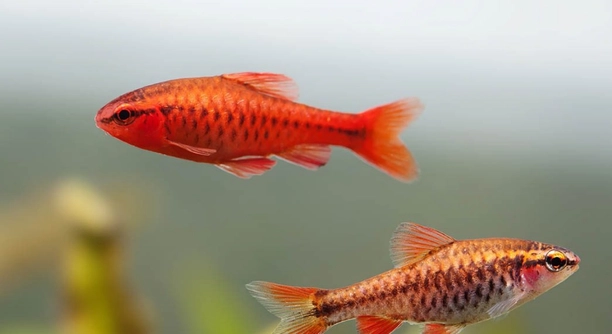
Cherry barbs and platies are both popular fish in home aquariums. They are colorful, lively, and peaceful species that many aquarium enthusiasts enjoy keeping. However, knowing if they can live together harmoniously requires some consideration.
Cherry barbs and platies can generally coexist well in the same tank due to their peaceful nature and similar care requirements. Both species thrive in similar water conditions, such as moderate temperatures and a slightly acidic to neutral pH.
Ensuring both species live happily involves considering tank size, water quality, and their temperaments. We will guide you through factors that affect their compatibility and how to create a peaceful environment for them.
Tank Size and Environment
When setting up an aquarium for cherry barbs and platies, the tank size plays a crucial role in ensuring both species thrive. A minimum of 20 gallons is recommended to provide enough swimming space for these active fish. Overcrowding can lead to stress and aggression, even in peaceful species. The tank should also be well-planted, providing hiding spots and territories for the fish to establish. This setup helps reduce stress and prevents conflict between the two species. Additionally, maintaining proper water conditions, including temperature and pH, ensures both species stay healthy. Cherry barbs and platies enjoy slightly acidic to neutral water, with temperatures between 72°F and 78°F.
A well-maintained environment encourages peaceful coexistence. Frequent water changes, at least once a week, are necessary to keep the water clean and remove toxins. Keep the tank filtered to ensure good water circulation and oxygen levels, which are essential for both species’ health.
Maintaining a stable environment also promotes vibrant colors and overall well-being. When properly cared for, both cherry barbs and platies will thrive together in a peaceful setting, adding beauty to your aquarium.
Compatibility with Other Fish
Cherry barbs and platies are peaceful fish, but their compatibility with other species depends on the temperament of those species. Both species can be kept with other non-aggressive fish. However, it is important to avoid fish that are too territorial or overly aggressive, as this can cause stress.
These fish are social and enjoy being in groups, so it’s helpful to keep them in small schools. Cherry barbs do well in groups of six or more, while platies enjoy similar company. Having a mix of species that are similarly calm can help balance the tank and reduce aggression. If you introduce other fish to the tank, make sure they’re compatible in terms of size and behavior.
By understanding their temperaments and preferences, you can create a harmonious tank where everyone gets along.
Feeding and Diet
Both cherry barbs and platies are omnivores and will eat a variety of foods. They enjoy a mix of high-quality flakes, pellets, and occasional live or frozen foods, like brine shrimp or bloodworms. It’s important to offer a balanced diet to keep them healthy and vibrant.
Feeding them small amounts two to three times a day is sufficient. Overfeeding can lead to poor water quality, which affects both species. Be sure to remove any uneaten food after a few minutes to avoid contaminating the water. Adding vegetables like blanched spinach or zucchini can also enhance their diet.
Proper feeding habits ensure that both species stay active and maintain good health. A well-balanced diet supports their immune systems and helps prevent illnesses. By maintaining proper feeding routines, you help your cherry barbs and platies thrive and interact peacefully.
Water Parameters and Maintenance
Maintaining stable water parameters is essential for the well-being of both species. Regular water testing ensures that the pH, temperature, and hardness remain within acceptable ranges for cherry barbs and platies. These fish prefer a slightly acidic to neutral pH of 6.5 to 7.5 and temperatures between 72°F and 78°F.
Water changes are crucial for keeping the tank clean. A 25% water change every week helps remove toxins and replenish beneficial minerals. Regularly cleaning the substrate and checking filter performance also maintain water quality. If your water quality is poor, both fish may become stressed or sick.
Consistently monitoring water conditions makes sure your aquarium remains a stable environment. Healthy water is key to the success of your tank, reducing the likelihood of any health issues. Proper maintenance will help both species live comfortably without stress.
Tank Mates to Avoid
Aggressive or territorial fish should be avoided when keeping cherry barbs and platies together. Species like bettas, cichlids, and certain types of tetras may cause stress or harm to these peaceful fish. It’s best to choose tank mates that are calm and non-territorial.
If you’re considering adding other species, make sure they’re not too large or aggressive. Fish that swim in different areas of the tank, such as bottom-dwellers or mid-water swimmers, can reduce the chances of conflict. Peaceful schooling fish like guppies or rasboras often make good companions.
Carefully selecting compatible species is key to creating a harmonious aquarium environment. Keep in mind the temperament and behavior of each species before introducing them to the tank.
Ideal Water Filtration
Good filtration is essential to keep the tank clean and oxygenated. Cherry barbs and platies require a well-filtered tank to maintain water quality. A filter with gentle water flow is ideal, as these species don’t do well with strong currents.
Regularly check the filter to ensure it’s functioning properly. A high-quality filter helps prevent debris build-up and keeps harmful toxins at bay. You should also clean the filter media regularly, but be sure to keep some of the old media to preserve beneficial bacteria.
A properly filtered tank prevents disease and maintains the health of both species. It also ensures a stable environment for your fish to thrive in, reducing stress and promoting peaceful cohabitation.
Lighting and Temperature
Cherry barbs and platies thrive in moderate lighting conditions. Intense lighting may cause stress or encourage algae growth, which can harm water quality. A gentle light cycle of around 10 to 12 hours a day is optimal.
Ensure the water temperature remains steady within the range of 72°F to 78°F. A reliable heater is important, especially in cooler climates. Temperature fluctuations can stress both species, making them more vulnerable to illness.
Stable lighting and temperature create a comfortable and healthy environment for your fish, encouraging active and peaceful behavior. Regularly check both to ensure they stay within the ideal range.
FAQ
Can Cherry Barbs and Platies Live Together?
Yes, cherry barbs and platies can live together peacefully in the same aquarium. Both species are non-aggressive, peaceful fish that enjoy similar water conditions, making them suitable tank mates. However, they require enough space to reduce the risk of territorial behavior. A tank of at least 20 gallons is recommended for them to thrive together.
Do Cherry Barbs Need a School to Thrive?
Yes, cherry barbs are schooling fish, meaning they feel most comfortable in groups. Keeping them in schools of at least six fish helps reduce stress and encourages natural behavior. Without a group, they may become shy or inactive. A small school provides security and promotes social interactions.
What Is the Ideal Tank Size for Cherry Barbs and Platies?
For cherry barbs and platies, a minimum tank size of 20 gallons is recommended. This gives them enough space to swim freely without feeling cramped. Larger tanks are better for maintaining water quality and providing more space for both species. Overcrowding can lead to stress and aggression.
What Is the Lifespan of Cherry Barbs and Platies?
Cherry barbs typically live around 3 to 5 years, while platies can live anywhere from 3 to 4 years. Their lifespan can be extended with proper care, including regular water changes, a balanced diet, and a stable environment. Healthy fish tend to live longer.
Can Cherry Barbs and Platies Live with Other Fish?
Yes, cherry barbs and platies can live with a variety of peaceful fish species. Small, non-aggressive fish like guppies, tetras, and rasboras are great tank mates. Avoid keeping them with territorial or aggressive fish such as cichlids or bettas. Peaceful tank mates ensure a harmonious aquarium.
Are Cherry Barbs and Platies Easy to Care For?
Both cherry barbs and platies are relatively easy to care for. They are hardy fish that do well in stable tank conditions. As long as their water parameters are maintained, and they receive a proper diet, these fish are low-maintenance and great for beginner aquarium keepers.
What Temperature Range Do Cherry Barbs and Platies Need?
Cherry barbs and platies thrive in temperatures between 72°F and 78°F. It’s important to keep the water temperature consistent to prevent stress. A reliable heater should be used to maintain stable water temperature, especially if you live in cooler areas. Fluctuations can weaken their immune systems.
Can Cherry Barbs and Platies Eat the Same Food?
Yes, cherry barbs and platies have similar dietary needs. Both species are omnivores, so they can eat a variety of foods including high-quality flakes, pellets, and occasional live or frozen foods like brine shrimp and bloodworms. Feeding them a balanced diet promotes healthy growth and vibrant colors.
How Often Should I Feed Cherry Barbs and Platies?
Cherry barbs and platies should be fed small amounts two to three times per day. Overfeeding can lead to water quality problems, so it’s important to only offer what they can consume in a few minutes. Regular feeding keeps them healthy without polluting the tank.
What Are Common Health Issues for Cherry Barbs and Platies?
Like most fish, cherry barbs and platies can be susceptible to diseases like ich, fin rot, or swim bladder issues. Maintaining good water quality, a stable environment, and a proper diet can help prevent health problems. Regular observation for signs of illness allows for early intervention.
Do Cherry Barbs and Platies Get Along with Shrimp or Snails?
Yes, both cherry barbs and platies can live peacefully with shrimp and snails in the same tank. They won’t typically harm them, as they tend to ignore these smaller creatures. However, some species of shrimp may be more vulnerable to being eaten, particularly if they’re very small.
How Do I Prevent Aggression in My Tank?
Aggression can be minimized by providing enough space for each fish to establish its territory. Ensuring that the tank is large enough and that water conditions remain stable helps prevent stress. Avoid overstocking the tank and make sure to keep the peace by choosing compatible species.
How Do I Set Up a Tank for Cherry Barbs and Platies?
For a successful tank setup, start with a 20-gallon or larger tank. Add a substrate like gravel or sand and plenty of plants to create hiding spots. A good filtration system is necessary to maintain water quality. Regular water changes and a steady temperature will help both species thrive.
Can Cherry Barbs and Platies Live in Cold Water?
No, both cherry barbs and platies are tropical fish that require warm water to stay healthy. They cannot survive in cold water conditions. A heater is necessary to keep the water within the proper temperature range of 72°F to 78°F. Cold water can cause them to become stressed or ill.
How Do I Know if My Fish Are Stressed?
Signs of stress in cherry barbs and platies can include lethargy, faded colors, lack of appetite, or hiding excessively. Stress can be caused by poor water quality, improper tank mates, or sudden changes in the environment. Addressing these issues quickly can help prevent serious health problems.
Do Cherry Barbs and Platies Need a Special Tank Setup?
Cherry barbs and platies do not require a specialized tank setup. They do well in a well-maintained community aquarium with proper filtration and stable water parameters. Plants, rocks, and hiding spots help them feel secure, but there’s no need for elaborate or specific decorations.
Final Thoughts
Cherry barbs and platies are compatible tank mates, making them a good choice for community aquariums. Both species are peaceful, active, and relatively easy to care for, which is why they are popular choices among aquarium hobbyists. With their vibrant colors and friendly nature, they can add charm to any tank. However, it’s important to provide them with the right environment to ensure their well-being. This includes maintaining proper water conditions, ensuring enough space, and choosing appropriate tank mates to avoid stress or aggression.
When keeping cherry barbs and platies together, the tank size plays a crucial role in their happiness. A minimum of 20 gallons is recommended, with plenty of plants and hiding spots to mimic their natural habitat. These fish do well in groups, especially cherry barbs, which are schooling fish. Proper filtration and stable water parameters are key to avoiding common health issues. Regular water changes and monitoring temperature and pH levels help maintain a balanced environment that supports both species’ needs. Additionally, feeding them a well-balanced diet will help them thrive and maintain their bright colors.
While cherry barbs and platies generally get along well with other peaceful fish, careful selection of tank mates is essential. Avoid aggressive species that might cause stress or harm. By paying attention to these details and understanding their needs, you can create a peaceful, healthy aquarium where both cherry barbs and platies can live together happily. Proper care ensures that both species will flourish and provide years of enjoyment in your aquarium. With the right setup, these fish can be a beautiful and low-maintenance addition to your aquatic community.

Hello,
If you enjoy the content that we create, please consider saying a "Thank You!" by leaving a tip.
Every little bit helps us continue crafting quality advice that supports the health, happiness, and well-being of pets around the world, for pets of all shapes, sizes, and species.
We really appreciate the kindness and support that you show us!