
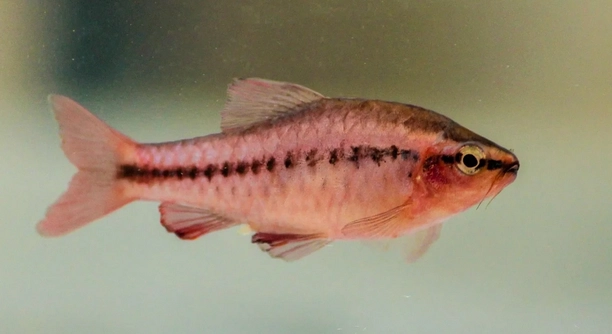
Cherry barbs and guppies are popular aquarium fish. Both are peaceful, vibrant, and thrive in similar environments. However, their compatibility in a shared tank depends on several factors, including temperament and tank setup.
Cherry barbs can live with guppies under the right conditions. Both species are peaceful, but it is essential to maintain a well-planted tank with ample space. Monitoring water quality and ensuring proper feeding practices are key to their cohabitation.
Ensuring proper care for both species will provide a healthy and harmonious environment. Managing tank setup and water conditions is crucial to their long-term wellbeing.
Understanding Cherry Barb and Guppy Behavior
Cherry barbs and guppies are both peaceful fish that can live together. However, understanding their behavior is crucial for successful cohabitation. Cherry barbs are typically shy, while guppies are more active and outgoing. This difference in activity levels can lead to stress for one species, especially if the tank isn’t set up to accommodate both.
Cherry barbs tend to stay near plants and other decorations, while guppies often explore open spaces. It’s important to create hiding spots for the cherry barbs, as they may become overwhelmed by the more active guppies. Providing adequate space for both species will reduce territorial behavior and prevent stress.
Creating a balance in tank dynamics is key. Ensuring each fish has its own space to thrive will lead to a peaceful environment. The tank should be large enough to provide hiding areas for the cherry barbs and open spaces for the guppies. Regular water changes and proper feeding schedules will also keep stress levels low, ensuring both species remain healthy.
Tank Size and Layout Considerations
A larger tank is always preferable when keeping multiple species. A minimum of 20 gallons is recommended for a mixed-species tank. This allows ample swimming space for the guppies and plenty of hiding places for the cherry barbs.
The tank layout should include live plants, rocks, and decorations. These elements create hiding spots for the more reserved cherry barbs while leaving room for the more active guppies. When setting up the tank, focus on providing visual barriers and plants to help reduce stress and give both species a sense of security.
Water Conditions for Cherry Barbs and Guppies
Both cherry barbs and guppies thrive in similar water conditions. Maintaining the right parameters is crucial for their well-being. Both species prefer water temperatures between 74°F and 78°F and a slightly acidic to neutral pH level of 6.8 to 7.8.
Water quality plays a significant role in their health. Frequent water changes, about 25% every week, help maintain good conditions. Be sure to monitor ammonia, nitrite, and nitrate levels regularly to ensure they stay within safe ranges. Proper filtration is also necessary to keep the water clean and prevent harmful bacteria from thriving in the tank.
To keep the tank’s water conditions stable, use a reliable heater and filtration system. A thermometer helps monitor water temperature, while a pH test kit will ensure the levels stay in the ideal range. These small efforts prevent many common health issues in both cherry barbs and guppies.
Feeding Requirements for Cherry Barbs and Guppies
Cherry barbs and guppies have similar feeding needs. Both species are omnivores, thriving on a varied diet that includes high-quality flake food, live or frozen food, and occasional plant matter.
For a balanced diet, offer a mix of foods such as daphnia, brine shrimp, and spirulina. While both fish will eat flakes, live or frozen food enhances their nutrition. Be mindful not to overfeed, as excess food can pollute the water and lead to poor water quality. Feeding once or twice a day is ideal for keeping them healthy.
Additionally, occasional vegetable matter like blanched zucchini or spinach is beneficial. Cherry barbs may nibble on plants in the tank, and providing some leafy greens will satisfy this instinct while supplementing their diet.
Tankmates for Cherry Barbs and Guppies
Cherry barbs and guppies can coexist well with other peaceful species. Ideal tankmates include other non-aggressive fish, like tetras, small rasboras, and peaceful livebearers. Avoid more territorial or aggressive species, as they can stress both the cherry barbs and guppies.
It’s best to avoid fish that may nip fins or harass other species. Smaller fish that swim in the mid to upper levels of the tank are good choices. When selecting tankmates, prioritize species that won’t compete heavily for food or territory to ensure a harmonious environment for both cherry barbs and guppies.
Compatibility During Breeding
Both cherry barbs and guppies breed easily under the right conditions, but breeding in a shared tank requires careful consideration. Guppies are livebearers, while cherry barbs spawn eggs, which can affect the tank dynamics.
Providing plenty of hiding spaces and plants will help reduce the chances of one species interrupting the other during breeding. It’s important to monitor tank behavior closely, especially during the breeding season, as aggression can increase. If breeding becomes a concern, consider setting up separate breeding tanks for each species to prevent stress and unwanted cross-interactions.
Potential Health Issues
While cherry barbs and guppies are generally hardy, there are health risks when they share a tank. Diseases like ich, fin rot, and swim bladder problems can spread quickly if not managed.
Maintaining clean water and ensuring good nutrition are vital in preventing disease. Always quarantine new fish before introducing them to avoid bringing harmful pathogens into the tank. Regular observation will help catch any issues early, allowing for quicker treatment and less stress for the other tank inhabitants.
FAQ
Can cherry barbs and guppies live together peacefully?
Yes, cherry barbs and guppies can live together peacefully in the right environment. Both are peaceful species and get along well with others of similar temperament. However, it’s important to provide a well-planted tank with enough space for both species to avoid territorial behavior. Proper tank setup and water quality are key factors in ensuring their cohabitation is smooth.
Do cherry barbs need a planted tank?
Cherry barbs do best in a tank with plenty of plants and hiding spots. They are a shy species and need places to retreat to when they feel threatened. Live plants provide both hiding spots and a more natural environment for them. A well-planted tank will also help with water quality by absorbing excess nutrients.
How many cherry barbs should be kept together?
It’s best to keep cherry barbs in groups of at least six. This allows them to feel secure and reduces stress. A larger group of cherry barbs will also display more natural behaviors, such as schooling. Keeping them in groups helps prevent aggression and promotes a more comfortable environment for them.
How do I introduce cherry barbs and guppies to each other?
Introduce cherry barbs and guppies to the tank gradually. Start by ensuring the tank is well-established with stable water parameters. Introduce both species at the same time if possible. This will reduce territorial disputes. Monitor them closely during the first few days to ensure they are adjusting well and not displaying aggressive behaviors.
Will guppies bother cherry barbs?
Guppies are generally peaceful, but their active nature may stress out the more reserved cherry barbs, especially if the tank is too small. Guppies may swim around more and explore the tank, which could make the cherry barbs feel cornered if there aren’t enough hiding spaces. Ensuring the tank has plenty of plants and decorations will help prevent this.
Do cherry barbs eat plants in the tank?
Cherry barbs are known to nibble on soft plants, but they are not generally destructive to most aquarium plants. They may graze on algae or leaves occasionally. However, they tend to focus more on foraging for food rather than eating plants. If you want to protect plants, choose hardy species that can withstand minor nibbling.
Are cherry barbs good tank mates for other species?
Yes, cherry barbs are compatible with many other peaceful fish species. They do well with other non-aggressive species like tetras, rasboras, and peaceful livebearers. It’s best to avoid more aggressive or territorial fish, as they can stress out the cherry barbs. Always ensure the tank provides ample space and hiding spots.
What is the lifespan of cherry barbs and guppies?
Both cherry barbs and guppies have relatively short lifespans compared to other fish species. Cherry barbs typically live for around 3-5 years, while guppies usually live for 1-3 years. Their lifespan can be extended with proper care, including maintaining good water quality, proper feeding, and a stress-free environment.
How can I tell if my cherry barbs and guppies are stressed?
Stressed cherry barbs and guppies may exhibit signs like faded colors, reduced activity, and erratic swimming. In some cases, they may hide more than usual or stop eating. It’s important to monitor their behavior closely, as stress can lead to health issues. Ensuring a stable tank environment will help minimize stress levels.
What should I do if my cherry barbs and guppies are fighting?
If aggression or fighting occurs between cherry barbs and guppies, first check the tank size and water conditions. Make sure the tank is large enough and well-planted to reduce territorial behavior. If aggression persists, try rearranging the tank decorations to disrupt any established territories. In severe cases, consider separating the fish into different tanks.
Can I breed cherry barbs and guppies together?
No, cherry barbs and guppies cannot breed together. They are two completely different species with different reproductive methods. Cherry barbs are egg-layers, while guppies are livebearers. However, both species can breed within their own groups. Cherry barbs will lay eggs, and guppies will give birth to live young.
What type of water is best for cherry barbs and guppies?
Both species thrive in soft to moderately hard water with a pH range of 6.8 to 7.8. The water temperature should be kept between 74°F and 78°F for optimal health. Regular water changes are essential to maintain water quality. Using a good filtration system helps ensure the water stays clean and safe for both species.
How do I prevent disease in my tank?
To prevent disease in your tank, maintain good water quality with regular water changes and a proper filtration system. Quarantine new fish for at least two weeks before introducing them to your main tank to avoid introducing disease. Keep an eye on the health of all fish, looking for signs of illness like lethargy or unusual swimming patterns.
Do I need to add supplements to the water for cherry barbs and guppies?
In most cases, adding supplements to the water is unnecessary if the water conditions are stable and you are performing regular water changes. However, some aquarists choose to add aquarium salts or other supplements to help with healing or stress management. Always research any supplements carefully and ensure they are safe for both cherry barbs and guppies.
How often should I feed cherry barbs and guppies?
Feed both cherry barbs and guppies once or twice a day. Overfeeding can lead to water quality issues, so offer small amounts of food that they can consume in a few minutes. A varied diet of flakes, live food, and occasional vegetables will provide the necessary nutrients for both species.
Do cherry barbs and guppies need special lighting?
Neither cherry barbs nor guppies require special lighting, but having a light cycle that mimics natural day and night patterns is beneficial. A consistent 8-12 hours of light a day helps maintain their natural behavior. Avoid excessive light, as it can lead to algae growth, which may negatively affect the water quality.
Are cherry barbs and guppies good beginner fish?
Both cherry barbs and guppies are considered good beginner fish. They are hardy and easy to care for, making them suitable for new aquarium owners. However, it’s important to provide them with the proper tank setup, water quality, and diet to ensure they thrive. Proper research and preparation are key to keeping them healthy.
Final Thoughts
Cherry barbs and guppies can make excellent tank mates when housed in the right environment. Both species are peaceful, colorful, and relatively easy to care for, making them popular choices for aquariums. Their compatibility with each other is largely dependent on providing enough space, proper water quality, and a well-planted tank to reduce stress and territorial behavior. With the right setup, these two species can coexist harmoniously and thrive in a shared space. The key is to avoid overcrowding and ensure that the fish have ample room to swim and explore.
Tankmates for both cherry barbs and guppies should be selected carefully. While these two species are generally non-aggressive, they can be stressed by overly active or territorial fish. Choosing other peaceful species that share similar water requirements will create a more balanced environment. It’s important to also monitor the fish’s health regularly to ensure that no diseases or infections are spreading. A clean, well-maintained tank is crucial to their well-being, and keeping up with water changes will help keep both species happy and healthy.
Overall, cherry barbs and guppies are well-suited to living together as long as their basic needs are met. By maintaining a peaceful, well-planted tank with good water conditions, you can ensure that both species thrive together. Their lively behavior, vibrant colors, and compatibility with other peaceful fish make them ideal choices for community tanks. Whether you’re a beginner or an experienced aquarist, keeping these species together can create an enjoyable, low-maintenance aquarium setup. Just be sure to keep an eye on their interactions and make adjustments as needed to maintain a peaceful environment.

Hello,
If you enjoy the content that we create, please consider saying a "Thank You!" by leaving a tip.
Every little bit helps us continue crafting quality advice that supports the health, happiness, and well-being of pets around the world, for pets of all shapes, sizes, and species.
We really appreciate the kindness and support that you show us!