
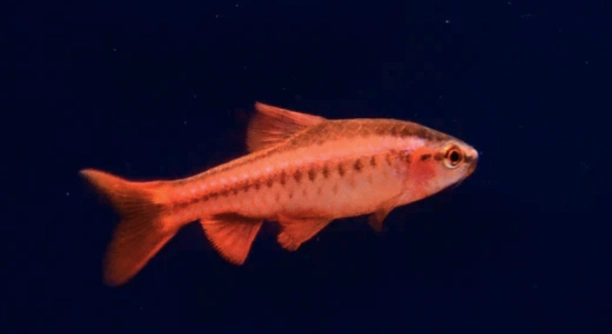
Cherry Barbs are a popular species in freshwater aquariums. Their social behavior and interactions with one another have sparked interest. Understanding how these fish learn from each other can provide valuable insights into their behavior and care.
Cherry Barbs, like many other fish, have the capacity to learn from their interactions with others in their group. They can observe and mimic behaviors, particularly those related to finding food or avoiding threats, which helps them adapt and survive.
This knowledge will help better understand how Cherry Barbs respond to their environment and how to support their well-being in an aquarium.
How Cherry Barbs Interact with Each Other
Cherry Barbs are known for their social nature. They thrive in groups, and their interactions reveal a lot about their learning process. When kept in a tank, they tend to follow the lead of other barbs, particularly when it comes to finding food. This behavior is an example of social learning, where individuals observe and imitate others. These fish also display a form of communication through body language, which helps them navigate their environment and avoid potential threats.
Social learning plays a crucial role in the development of Cherry Barbs. The more they interact with each other, the better they become at responding to different situations. In a well-established group, they are more confident and can adapt quickly. It’s clear that their learning process is heavily influenced by the group dynamic.
Observing how Cherry Barbs interact in the aquarium setting can give valuable insights into their care. Ensuring they are housed with other similar fish will help them feel secure, which, in turn, promotes their overall health and well-being.
The Importance of Observation in Their Learning
Social behavior in Cherry Barbs is essential for their survival. These fish learn quickly by watching others, especially when it comes to locating food or avoiding dangers. This ability helps them adapt more effectively.
Being housed in groups can also reduce stress levels, allowing the Cherry Barbs to engage in natural behaviors. In aquariums, their interactions with other fish provide a safe environment that fosters learning and confidence. Keeping them with other barbs will improve their ability to thrive.
How Cherry Barbs Learn Through Mimicry
Cherry Barbs learn by observing their peers. They mimic behaviors like swimming patterns, foraging, and interaction with their environment. This form of learning helps them develop skills necessary for survival. For example, a new barb will often follow the lead of more experienced tank mates when looking for food.
The ability to imitate other barbs is key to their development. In the wild, it helps them learn where to find food and how to avoid predators. In an aquarium, this behavior is just as important. When one fish finds food, others quickly learn the same pattern.
Mimicry is not limited to foraging. Cherry Barbs also use this skill when interacting with each other. By copying body language, they can recognize social cues and strengthen group bonds. This cooperation improves the overall well-being of the group, making it easier to maintain a peaceful tank environment.
The Role of Group Dynamics in Learning
Group dynamics significantly affect how Cherry Barbs learn. The more fish present, the more opportunities there are for learning through observation. Social interactions allow for a quick exchange of knowledge, especially regarding food sources or shelter.
In a group, Cherry Barbs develop behaviors that benefit the entire tank. For instance, they may adapt to different feeding methods or become more active during certain times of the day. The presence of others provides a sense of security, encouraging them to engage in activities they might otherwise avoid alone.
This group-oriented learning process allows Cherry Barbs to thrive in a shared space. Their ability to adapt to various situations in a group makes them better equipped to handle changes in their environment. A well-adjusted group will naturally influence each other, leading to healthier and more active fish.
How Cherry Barbs Respond to Environmental Cues
Cherry Barbs are sensitive to changes in their environment. They can learn to recognize patterns and respond accordingly. For example, they quickly associate the presence of their owner with feeding time. This learning helps them anticipate events and adjust their behavior, enhancing their survival.
Their ability to react to environmental cues is essential for their daily routine. They can sense changes in water conditions, light, and the presence of other fish. Over time, they adapt their behavior to these cues. This adaptive learning allows them to thrive in varying conditions and improves their overall health.
Social Hierarchy and Learning in Cherry Barbs
In Cherry Barb groups, social hierarchy plays a role in learning. Fish that are dominant often set the tone for others, influencing their behavior. Subordinate fish may observe and learn from dominant individuals, imitating their actions, which helps reinforce group cohesion. This social learning is essential for smooth interactions.
This hierarchy also influences feeding and shelter-seeking behaviors. Dominant barbs often lead the group to food sources or preferred areas, and others follow their lead. In turn, these behaviors become ingrained over time, creating a structured environment where all fish benefit from shared knowledge.
How Learning Affects Their Health
Learning through observation contributes to better overall health for Cherry Barbs. By mimicking peers, they learn the best places to find food and avoid stressors. This helps them maintain a balanced lifestyle and reduces the risk of illness. Healthy social interactions improve their immune systems.
FAQ
Can Cherry Barbs learn from other species?
While Cherry Barbs primarily learn from other Cherry Barbs, they can also pick up behaviors from different species in the same tank. If there are other fish that share similar food sources or tank conditions, the barbs may observe and mimic their actions, especially regarding foraging or avoiding threats. However, the learning is more effective when they interact with their own species, as they are more likely to understand and respond to similar social cues and behaviors.
Do Cherry Barbs need to be in groups to learn?
Yes, Cherry Barbs benefit significantly from being in groups. Their social nature drives their ability to learn through observation. Without the presence of other barbs, they may feel more stressed and less inclined to engage in behaviors that would otherwise be taught through mimicry. Keeping them in groups also encourages natural social behaviors, which are crucial for their mental and physical well-being.
How long does it take for Cherry Barbs to learn new behaviors?
The time it takes for Cherry Barbs to learn new behaviors can vary depending on the complexity of the task and the environment. In a well-maintained tank with a stable group of barbs, learning can happen quickly—sometimes within a few days. For example, if one fish finds food in a new location, others will typically follow suit shortly after. More complex behaviors, like recognizing tank maintenance routines or adjusting to changes in water conditions, may take a bit longer, but they will eventually learn through observation.
What are some signs that Cherry Barbs are learning from each other?
Signs that Cherry Barbs are learning from one another include synchronized swimming patterns, group movements toward food, and the adoption of new behaviors, like hiding when they sense a potential threat. If one fish discovers food or a hiding spot, the rest of the group is likely to follow. Additionally, more confident or dominant fish may lead the group during certain activities, with others mimicking their actions.
Can Cherry Barbs unlearn bad habits?
Yes, Cherry Barbs can unlearn bad habits over time. If they are exposed to new, more positive behaviors within their social group, they can adapt and stop repeating less desirable actions. For example, if a fish has learned to display aggressive behaviors in response to tank mates, it can unlearn these actions when placed in a calmer, more peaceful group where aggression is less tolerated. Consistent exposure to positive social cues and interactions can help reinforce the desired behaviors.
Are Cherry Barbs good at problem-solving?
Cherry Barbs are not particularly known for complex problem-solving, but they can learn to adapt to their environment through trial and error. For instance, if a fish encounters a new obstacle or food source, it may try different approaches until it learns the best way to overcome the challenge. While they aren’t as adept at problem-solving as some other species, they do possess enough cognitive ability to navigate simple tasks and adapt to changes in their surroundings.
How can I encourage my Cherry Barbs to learn faster?
To encourage your Cherry Barbs to learn faster, maintain a stable and enriched tank environment. Provide plenty of hiding spaces, plants, and decorations to simulate a natural habitat. Keep a consistent feeding schedule and observe your barbs as they interact with one another. If you want to promote quicker learning, you can introduce new tank mates or change the environment slightly to stimulate curiosity and encourage exploration. The more opportunities they have to observe and mimic each other, the faster they will learn.
Can Cherry Barbs learn specific skills, like swimming through hoops?
Cherry Barbs are not known for learning specific tricks like swimming through hoops, as their cognitive abilities are more suited to social learning and adapting to natural behaviors. However, they can learn basic tasks, such as associating certain cues with feeding or reacting to changes in their environment. With enough time and repetition, they may respond to certain environmental changes, but they aren’t likely to perform complex tricks as some other animals might.
What is the best way to set up a tank for Cherry Barbs to encourage learning?
To set up a tank that encourages learning, create an environment that allows for natural behaviors and interactions. Cherry Barbs prefer to be in groups, so provide plenty of space for them to swim and explore. Add plants, rocks, and driftwood to give them hiding spots and make the environment more interesting. A well-planted tank offers more opportunities for observation, as they can learn from their tank mates’ behavior in these settings. Additionally, a stable water environment with regular maintenance will help reduce stress, allowing the fish to focus on learning.
Do Cherry Barbs display any particular social behaviors?
Yes, Cherry Barbs display various social behaviors, including schooling, courtship rituals, and dominance displays. In a group, they will often swim in close proximity to each other, which helps them feel safe. When it comes to courtship, male Cherry Barbs will display more vibrant colors to attract females. The dominant males in the group may assert their position by engaging in subtle behaviors like chasing or showing off their colors. These interactions are part of how they learn about hierarchy and social structure within the group.
Can Cherry Barbs adapt to different tank environments?
Cherry Barbs are adaptable fish, capable of adjusting to different tank environments, provided the conditions are stable. They can tolerate a range of water temperatures and pH levels, though they thrive best in slightly acidic to neutral water with a temperature range of 72°F to 80°F. If they are introduced to a new environment gradually, they can learn to adapt to changes in water quality, lighting, and tank mates. However, sudden shifts in their habitat can cause stress, so it’s important to make any adjustments slowly to avoid overwhelming them.
Do Cherry Barbs need constant interaction to learn?
No, Cherry Barbs do not need constant interaction to learn, but they do benefit from consistent social engagement. While they can learn by observing others, they do not need to be constantly interacting. They will naturally observe their tank mates and adapt to their environment over time. However, isolation from other fish may lead to stress or slowed learning, as they will miss out on opportunities to mimic others. It is important to maintain a healthy group dynamic for optimal learning.
Final Thoughts
Cherry Barbs are fascinating fish with the ability to learn and adapt to their environment, especially through social interaction. Their capacity to observe and mimic behaviors from other barbs is a key factor in their survival and well-being. By being part of a group, they not only feel safer but also learn important behaviors like foraging, recognizing danger, and maintaining social structures within the group. Their learning process is mostly passive, relying on observation rather than active training, but they respond well to changes in their environment, especially if these changes align with their natural behaviors.
Creating an ideal environment for Cherry Barbs is essential to encourage their learning and development. A well-maintained tank that includes plants, hiding spots, and a stable water condition will help them thrive and learn from their surroundings. Since Cherry Barbs are social fish, it’s best to keep them in groups to allow for interaction and learning. A single barb may feel stressed or isolated, which could affect its health and ability to learn effectively. Ensuring that they are in a calm and stimulating environment will allow them to explore and adapt to new situations with confidence.
While Cherry Barbs are not particularly known for solving complex problems or performing tricks, they do exhibit a strong ability to adapt to their social and environmental cues. This adaptability makes them resilient in various conditions and helps them avoid stress. By understanding their behavior and providing a healthy, enriching environment, you can support their natural learning processes and ensure they remain healthy and happy in their aquatic home.

Hello,
If you enjoy the content that we create, please consider saying a "Thank You!" by leaving a tip.
Every little bit helps us continue crafting quality advice that supports the health, happiness, and well-being of pets around the world, for pets of all shapes, sizes, and species.
We really appreciate the kindness and support that you show us!