
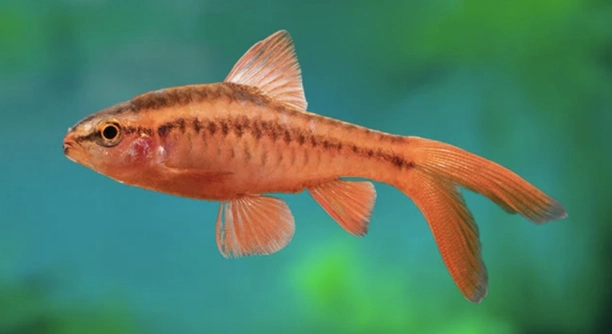
Cherry barbs are a popular freshwater fish, known for their lively colors and easy-going nature. They are relatively low-maintenance, making them a great choice for beginner aquarists. But, can they tolerate a bit of salt in their water?
Cherry barbs can handle slightly salty water, but they are not fully salt-tolerant. A small amount of salt may not harm them, but it’s important to avoid prolonged exposure or high salinity levels, as it can cause stress and health issues.
Understanding how salt affects your fish will help you provide the best environment for them. Adjusting their water conditions can ensure they stay healthy and thrive in your aquarium.
Understanding Salt Tolerance in Fish
Fish have different levels of tolerance when it comes to salt. Cherry barbs are considered to be mildly brackish, meaning they can survive in slightly salty water. However, their ability to handle salt should not be overestimated. Saltwater conditions should never be the primary environment for them. Keeping salt levels low is key to their survival in these conditions. They do best in fresh water, but they can occasionally adapt to small amounts of salt, particularly when used for health reasons, like treating parasites. This makes understanding their limits essential.
Salt can be stressful for most freshwater fish, including cherry barbs. Too much salt, even if added gradually, can lead to issues with their internal organs, which will affect their overall health.
If you need to use salt for treating an illness or problem in the tank, you can do so for a short period. However, always monitor your fish closely. Over time, too much salt will lead to weakened immune systems, making them vulnerable to other diseases.
How Much Salt Can Cherry Barbs Tolerate?
When it comes to adding salt to your aquarium, it’s crucial to maintain moderation. Cherry barbs can tolerate around 1-2 teaspoons of aquarium salt per gallon of water without much problem. More than that can overwhelm their system.
Keep in mind that these fish thrive in fresh water. While they can manage salt in small amounts, it’s important to keep the levels low. Constant exposure to high salt levels can stress the fish and make them more prone to illness.
If you notice your cherry barbs acting differently after adding salt, it’s best to remove the salt and return to a freshwater environment. Pay close attention to their behavior, as fish often show signs of distress when they are exposed to poor water conditions.
Effects of Salt on Cherry Barbs
When adding salt to their tank, it’s important to remember that cherry barbs are not immune to the effects of high salinity. Prolonged exposure can stress them, causing potential long-term health issues.
Salt can disrupt the fish’s osmotic balance, making it harder for them to retain necessary fluids. This imbalance can result in symptoms like lethargy, rapid gill movement, and loss of appetite. The fish’s immune system can also weaken, leaving them vulnerable to infections. If you’re using salt for medicinal purposes, be sure to monitor your fish closely and keep exposure brief.
In addition to health concerns, salt may cause changes in water chemistry that can affect other tank mates. If you have other freshwater species, make sure they can tolerate the added salt too. It’s a good idea to use salt only when absolutely necessary and to dilute it with fresh water if needed.
Best Practices for Adding Salt
If you decide to add salt to your tank, the key is moderation. For cherry barbs, add only a small amount—about one teaspoon per gallon of water. This level can help treat mild diseases without causing too much stress.
It’s also essential to dissolve the salt completely before adding it to the tank. Uneven salt distribution can create pockets of high salinity, which could harm the fish. Additionally, always remove the salt after the treatment period is over. Prolonged exposure to salt, even in small amounts, can still cause problems in the long term.
Regular water changes can help dilute salt concentrations, keeping the environment stable. You should also monitor water parameters like pH, ammonia, and nitrate levels, as they can be affected by salt, and adjusting these properly can help your cherry barbs stay healthy.
Monitoring Cherry Barbs in Salty Water
When you add salt to the water, always observe your cherry barbs closely. Any sign of stress, such as changes in behavior or swimming patterns, could mean the salt levels are too high.
Watch for signs like increased breathing, reduced movement, or a loss of appetite. These could indicate that the salt is affecting their health. If you notice any of these symptoms, it’s best to remove the salt and return to a freshwater setup. Your fish may need time to recover after exposure to high salinity, so keep an eye on them for any changes in their behavior.
Alternative Treatments for Cherry Barbs
Instead of using salt, consider other treatments for your cherry barbs if they’re ill. There are many medications designed for freshwater fish that are less likely to cause long-term damage.
If you’re treating parasites, for example, there are fish-safe medications available. These products often target the specific issue without affecting the fish’s overall health. It’s important to always follow the instructions carefully to avoid overdosing. Regular water changes will also help maintain a healthy environment during the treatment process.
When to Avoid Salt
Salt should be avoided altogether when your cherry barbs are stressed or recovering from an illness. During these times, it’s better to keep their environment as calm as possible.
Adding salt under these conditions can add extra strain, making recovery more difficult. Focus on maintaining clean, stable water conditions instead. If you need to use salt for a specific treatment, make sure your fish are otherwise healthy and stress-free before adding it.
FAQ
Can cherry barbs live in brackish water?
Cherry barbs are freshwater fish and do best in freshwater environments. While they can tolerate slight salinity, they should not be kept in brackish water for extended periods. Prolonged exposure to salt can stress them, causing health issues and possibly leading to a shorter lifespan. If you must add salt, keep it minimal and for short durations.
How much salt is safe for cherry barbs?
Cherry barbs can tolerate around 1-2 teaspoons of aquarium salt per gallon of water. This small amount is generally safe for short periods, such as when treating specific health issues like parasites. Avoid adding more salt than this, as higher concentrations could lead to stress or damage to the fish’s organs.
Can salt cause long-term health problems for cherry barbs?
Yes, prolonged exposure to salt can weaken cherry barbs’ immune systems. Over time, they can become more susceptible to illnesses and infections. Constant exposure can also affect their ability to regulate water balance, leading to dehydration and internal damage. It’s best to use salt only when absolutely necessary and for a limited time.
How do I remove salt from the aquarium?
The best way to remove salt from the aquarium is by performing a water change. Replace 25-50% of the tank water, ensuring that the new water has no added salt. This will gradually dilute the remaining salt, reducing its concentration in the tank. It’s a good idea to monitor the fish closely during this process to ensure they are adjusting well.
Can I use salt to treat diseases in my cherry barbs?
Yes, salt can be used as a treatment for certain diseases like external parasites. However, it’s important to use the correct amount and not leave it in the tank for too long. For minor health issues, you can dissolve aquarium salt in a separate container and add it slowly to the tank. Always monitor your fish carefully for any signs of stress or distress.
Are there alternatives to using salt for treating cherry barbs?
Yes, there are several alternatives to using salt. Many fish medications are specifically designed for freshwater fish and will target illnesses without harming the fish. These treatments can address issues like parasites, fungal infections, or bacterial diseases without causing the stress that salt may bring. Always consult with a pet store or an aquatic veterinarian for the best options available.
How do I know if my cherry barbs are stressed by salt?
Stress signs in cherry barbs include erratic swimming patterns, heavy breathing, or decreased activity. They may also lose their appetite or hide more than usual. If you notice these behaviors after adding salt, it could indicate that the salt concentration is too high for them. In such cases, perform a water change to remove some of the salt and observe if their condition improves.
Can I add salt to the tank for cherry barbs if I have other fish?
If you have other species in the tank, make sure they can also tolerate the added salt. Some freshwater fish are more sensitive to salt than cherry barbs and could be harmed by even low levels. Always research the needs of your other fish before adding salt, and keep the concentration as low as possible to avoid harm.
Can cherry barbs tolerate brine shrimp in their diet?
Yes, cherry barbs can eat brine shrimp as part of their diet. Brine shrimp are a nutritious and protein-rich food source for many freshwater fish, including cherry barbs. Just make sure to feed them in moderation, as overfeeding can lead to water quality issues. Live or frozen brine shrimp are both good options.
How can I maintain a healthy environment for my cherry barbs without using salt?
Maintaining good water quality is key. Keep the water temperature stable, perform regular water changes, and monitor water parameters like pH, ammonia, and nitrate levels. Adding plants can help absorb excess nutrients and provide hiding spots for your fish. Also, avoid overcrowding the tank, as this can stress the fish and lead to poor water quality.
Can cherry barbs adapt to a saltwater tank?
Cherry barbs cannot adapt to a saltwater tank. They are strictly freshwater fish and are not suited for the higher salinity levels found in marine aquariums. Exposing them to saltwater can cause irreversible harm and stress. Stick to freshwater setups to ensure their well-being and longevity.
Is there a salt concentration that is harmful to cherry barbs?
Yes, concentrations above 2 teaspoons of aquarium salt per gallon can be harmful to cherry barbs. High salt levels disrupt their osmotic balance, making it difficult for them to retain fluids. This can lead to dehydration, organ failure, and, ultimately, death. Always monitor salt levels carefully and use them sparingly.
What should I do if my cherry barbs seem unhealthy after using salt?
If your cherry barbs show signs of distress after salt exposure, perform a water change immediately to dilute the salt. Make sure to monitor the water parameters, and remove any excess salt. It’s also important to avoid using salt again for a while to allow your fish to recover fully. If symptoms persist, consider consulting an aquatic veterinarian.
How often should I use salt in my cherry barb tank?
Salt should only be used when necessary, such as for treating diseases or parasites. It should not be a regular part of the tank’s water. Overuse of salt can lead to health problems for your fish. Always use it cautiously and monitor your cherry barbs closely to ensure their safety.
Can I use aquarium salt for cherry barbs if I have plants in the tank?
While cherry barbs can tolerate small amounts of salt, it can harm plants. Most freshwater plants are sensitive to salt, and exposure can cause them to wilt or die. If you have plants in your tank, it’s best to remove them before adding salt or choose a salt alternative for treating fish diseases.
Final Thoughts
Cherry barbs are hardy fish that generally thrive in freshwater environments. While they can tolerate small amounts of salt, it’s essential to keep salt levels low to avoid stressing them. They are not brackish fish, so prolonged exposure to salt can lead to health issues. If salt is used to treat specific conditions, it should be for short periods and monitored closely. Remember that their well-being depends on maintaining a stable, clean environment where they can feel secure. Freshwater conditions, with good filtration and regular water changes, are the best way to ensure they remain healthy.
Although salt can help with treating some fish diseases, it’s not always the best solution for cherry barbs. There are many other treatments and medications available that can address issues like parasites or infections without causing harm to your fish. If you’re unsure whether to use salt, consider researching alternative treatments that are better suited to your cherry barbs’ needs. Maintaining a healthy and balanced aquarium will prevent many common problems, allowing your cherry barbs to thrive without the need for salt treatments.
Ultimately, the key to keeping cherry barbs happy and healthy is understanding their needs and limitations. They are peaceful, low-maintenance fish that do well in clean, stable freshwater environments. By avoiding high salt levels and being mindful of their stress signals, you can provide the best care for your fish. Whether you choose to use salt for short-term treatment or avoid it altogether, always keep an eye on your fish and adjust their care accordingly.

Hello,
If you enjoy the content that we create, please consider saying a "Thank You!" by leaving a tip.
Every little bit helps us continue crafting quality advice that supports the health, happiness, and well-being of pets around the world, for pets of all shapes, sizes, and species.
We really appreciate the kindness and support that you show us!