
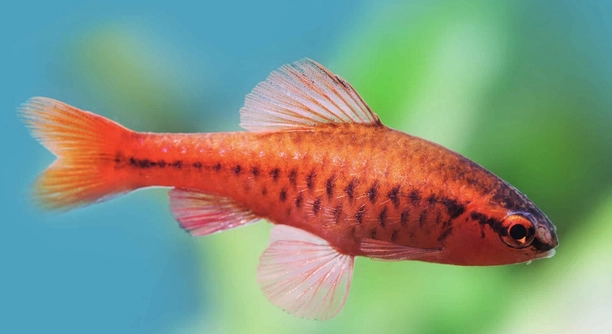
Are your cherry barbs part of a cozy home aquarium setup that occasionally faces unexpected power outages? These moments can raise concern, especially when it comes to your fish’s comfort and survival during downtime.
Cherry barbs can tolerate short power outages due to their hardy nature, but extended outages can lead to drops in temperature and oxygen levels, which may affect their health. Preparations and quick action are essential during such events.
Knowing what affects your cherry barbs during a power loss can help you support their well-being through temporary disruptions in their aquatic environment.
How Power Outages Affect Cherry Barbs
Power outages can disrupt the stability of a cherry barb’s tank. These fish do well in consistent conditions, and a sudden change in temperature or oxygen levels can be stressful. If the tank cools too quickly or loses oxygen circulation, it may lead to signs of stress like erratic swimming or reduced activity. Cherry barbs are relatively hardy and may endure a few hours without filtration or heat, but longer outages pose risks. In colder environments, water temperature can drop fast, and without aeration, oxygen levels decrease. Keeping a battery-powered air pump and insulation materials nearby can help. Wrapping the tank in towels helps retain heat. Avoid feeding during outages, as uneaten food will decay without proper filtration. If possible, monitor water parameters closely after the power returns. Quick action and preparation can protect your fish and prevent lasting effects on their health after the power is restored.
A brief outage usually won’t cause harm. The concern increases only when it lasts beyond a few hours or temperatures shift drastically.
Observing your cherry barbs’ behavior after power returns is important. Look for signs of distress or changes in activity. Stable water parameters and minimal disruptions help your fish recover faster after the outage.
Preventive Steps You Can Take
Having a backup plan can ease your stress during power outages. Keeping a battery-operated air pump and an aquarium-safe heat pack on hand helps support your fish through short disruptions.
If the outage stretches longer, take steps to preserve water temperature and oxygen. Insulating the tank with towels or blankets can reduce heat loss, especially in colder areas. Avoid opening the lid too often to keep the warmth in. A battery-powered air pump or manual stirring can help maintain oxygen levels. Don’t feed your fish until the power returns and filtration is running again. Uneaten food will break down and affect water quality. Consider investing in a generator if outages are frequent in your area. After power is restored, check temperature, pH, and ammonia levels. Doing a partial water change may help restore balance. Always keep a few essentials in a kit, such as test strips, dechlorinator, and sponges. Preparing in advance allows you to act quickly and reduce the impact of a power loss on your cherry barbs.
What to Watch for After Power Is Restored
Once power returns, check your tank’s temperature, oxygen flow, and filter function. Cherry barbs may act stressed or lethargic at first. Give them time to adjust, and avoid feeding until the tank stabilizes.
Test the water to make sure there were no harmful shifts in ammonia, nitrite, or pH. If the filter was off for several hours, beneficial bacteria may have died off, so a partial water change can help. Restart the filter carefully to avoid stirring up waste. Monitor your cherry barbs over the next 24 hours. Watch for signs of illness like faded color or labored breathing. Adding a small amount of beneficial bacteria or water conditioner may speed up recovery. Minimize light stress and avoid sudden movements near the tank while they settle. A quiet, stable setup gives your fish the best chance to bounce back after the disruption.
Check for any unusual behavior during feeding. If cherry barbs ignore food, continue to observe and wait before offering more. Resume a regular feeding schedule only after they return to normal activity levels. It’s also helpful to note how long the outage lasted and what actions you took, so you’re better prepared next time. Keep essentials close to the tank in case another outage occurs.
Supplies to Keep on Hand
Store a small emergency kit near the tank. Include a battery-powered air pump, extra batteries, insulation materials, test strips, and water conditioner. Having everything ready saves time and supports your fish in a power loss.
A sponge filter can be helpful during outages because it holds beneficial bacteria and can be powered by a battery air pump. Keep extra sponges and airline tubing in your kit. Use blankets or towels to wrap the tank if the temperature drops. Heat packs designed for fish transport can help in winter months. Also, keep a turkey baster or small container for manually removing uneaten food. In areas with frequent outages, consider investing in an automatic battery backup system or a small generator. These tools reduce stress for both you and your fish. Label and organize your supplies for quick access. Preparing now helps protect your cherry barbs later and keeps your aquarium running smoothly even during an unexpected loss of power.
Signs of Stress in Cherry Barbs
Cherry barbs may appear pale, swim near the surface, or hide more than usual after a power outage. Some may breathe rapidly or stop eating for a short time while adjusting to the restored tank environment.
Watch for clamped fins, erratic swimming, or gasping near the water surface. These can indicate low oxygen or poor water quality. Take immediate steps to check the filter and aeration.
How Long Can They Go Without Power?
Cherry barbs can usually tolerate up to four to six hours without power if the room stays warm and oxygen levels are acceptable. Beyond that, risks increase. In cooler environments or tanks without surface movement, the water can lose oxygen quickly. Once levels drop, fish may show signs of distress, and waste can build up fast without filtration. To stretch their comfort time, minimize disturbances, insulate the tank, and avoid feeding. Adding a battery-operated air pump early in the outage can extend safe conditions. Every tank is different, so observe carefully and act quickly if the outage runs long.
Keep Your Tank Setup Simple
Simple setups recover faster after outages. Avoid overstocking, and use live plants if possible. Fewer decorations make it easier to manage and monitor conditions after a disruption.
FAQ
How long can cherry barbs survive without a filter running?
Cherry barbs can manage without a filter for about 4 to 6 hours, depending on the tank conditions. If the tank is lightly stocked and the temperature stays stable, they may last a bit longer. However, waste starts to build up quickly, and oxygen levels drop without the usual water movement. To extend their safety window, avoid feeding, keep the tank insulated, and limit any disturbances. Using a sponge filter with a battery-powered air pump can help maintain some biological filtration during short-term outages.
Do cherry barbs need a heater during a power outage?
Yes, they do best with consistent warm temperatures. During a power outage, if the room temperature drops below 70°F, cherry barbs can become stressed. To keep them comfortable, wrap the tank in blankets or towels to trap heat. Hand warmers or heat packs placed near (not inside) the tank can also help in cold weather. Monitor the temperature regularly with a thermometer. If the outage lasts more than a few hours, try to keep the room warm by closing doors and windows.
Can I feed my cherry barbs during a power outage?
It’s best not to feed them during a power outage, especially if the filter is off. Uneaten food can pollute the water quickly when filtration isn’t working. Cherry barbs can go 1–2 days without food with no harm. Wait until the power is back and the filter is running normally again before resuming feeding. Once stable, start with a small amount to see if they’re ready to eat.
What’s the safest way to reintroduce filtration?
Once the power returns, check the filter for any trapped debris or buildup before restarting it. Clean the intake and impeller if needed. Slowly reintroduce water flow to avoid stirring up waste and shocking the fish. If the outage was long, consider adding a dose of beneficial bacteria to help rebuild the biological balance. Doing a partial water change can also help stabilize water quality.
What are the signs that something is still wrong after the power returns?
Keep an eye out for lethargy, pale color, clamped fins, gasping, or loss of appetite. These may be signs of poor water quality, low oxygen, or ammonia spikes after a power outage. Test the water and perform a small water change if needed. Continue monitoring for 24–48 hours to catch delayed signs of stress or illness. Recovery time varies depending on how long the tank conditions were off balance.
Should I keep cherry barbs if I live in an area with frequent outages?
You can, but you’ll need to be prepared. Keep a basic emergency kit on hand: battery-powered air pumps, spare batteries, a thermometer, insulation materials, and water conditioner. Consider using hardy live plants and maintaining a lightly stocked tank. These steps help stabilize water quality during outages. A backup power supply like an uninterruptible power supply (UPS) or small generator adds even more protection. With good planning, it’s still possible to care for cherry barbs in an area with unreliable power.
How often should I replace my backup supplies?
Check your backup equipment every few months. Batteries lose charge over time, and air pumps can wear out. Store your supplies near the tank so they’re easy to access in an emergency. Replace expired items as needed, and test the equipment occasionally to ensure it still works. Being ready can make a big difference when a power outage hits.
Final Thoughts
Cherry barbs are peaceful, hardy fish, but they still need stable tank conditions to stay healthy. Power outages can quickly affect their environment by lowering oxygen levels, dropping the temperature, and stopping filtration. While they may survive a short outage without much issue, longer ones can cause stress and lead to problems if not managed properly. Planning ahead can make a big difference, especially if you live in an area where outages happen often. Having simple tools like battery-powered air pumps and tank insulation ready can help maintain safe conditions during an emergency.
Preventing stress during outages starts with a good setup. A lightly stocked tank with live plants gives cherry barbs a better chance of staying stable when the power goes out. It also helps if the tank is in a room that doesn’t get too cold. Avoid feeding them during an outage, and once the power returns, take time to check all equipment before turning it back on. Watching their behavior for any signs of stress or illness is important, even after things appear to be back to normal. Small changes in how they swim, eat, or look can show if they’re still affected by the disruption.
Keeping cherry barbs safe during power outages is mostly about being prepared. You don’t need fancy tools or a complicated setup to protect your fish. Keeping things simple and staying calm can go a long way. Even small steps like having extra batteries or knowing how to insulate your tank can prevent big problems later. Cherry barbs are more likely to bounce back quickly if their tank stays steady and clean. Power outages are never convenient, but with a little planning, they don’t have to be a serious risk to your fish.

Hello,
If you enjoy the content that we create, please consider saying a "Thank You!" by leaving a tip.
Every little bit helps us continue crafting quality advice that supports the health, happiness, and well-being of pets around the world, for pets of all shapes, sizes, and species.
We really appreciate the kindness and support that you show us!