
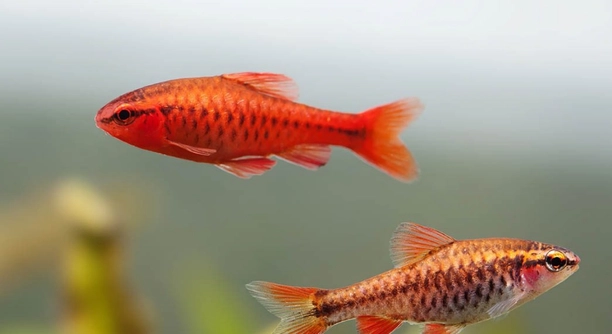
Cherry barbs are a popular freshwater fish species known for their vibrant colors and active nature. As with all fish, their health can be affected by environmental changes, such as sudden shifts in water temperature.
Cold food can indeed be a shock to cherry barbs. Their digestive system is sensitive to extreme changes, which can cause stress, weaken their immune system, and make them more prone to diseases. Properly maintaining water temperature is crucial for their well-being.
Properly managing their environment is key to keeping your cherry barbs healthy and stress-free. Understanding how to prevent these temperature shocks will help ensure they thrive in their aquatic home.
How Cold Food Affects Cherry Barbs
When cherry barbs eat cold food, it can have a significant impact on their overall health. Fish, in general, are sensitive to temperature changes, and sudden cold food can cause them stress. Their bodies are adapted to a specific temperature range, and introducing cold food can lower their body temperature quickly. This abrupt change can interfere with their digestive processes, making it difficult for them to break down food properly.
If you frequently feed your cherry barbs cold food, you may notice a decline in their activity levels and health. Stress caused by cold food may also make them more vulnerable to diseases, as their immune system weakens. Maintaining a consistent water temperature helps reduce these risks, so keeping the water at the right level for your fish is essential.
It’s important to avoid feeding cherry barbs food that’s too cold. Room-temperature or slightly warmed food will be more easily digested and less likely to cause harm. Take a moment to ensure the temperature of the food matches the water conditions for your fish’s well-being.
How to Prevent Cold Food Shock
A simple way to prevent cold food from shocking your cherry barbs is by conditioning the food. You can warm frozen food in a small cup of aquarium water before feeding it. This method ensures the food doesn’t cause a sudden temperature drop when eaten.
One effective way to ensure your cherry barbs remain healthy is by feeding them appropriately prepared food. This helps reduce the stress on their system, which is especially crucial during colder months. Additionally, consider providing a balanced diet that offers nutrition in the form of both dry and frozen foods. By avoiding cold food shocks, your cherry barbs will thrive and remain active.
Temperature Consistency in the Aquarium
Maintaining a stable water temperature is essential for cherry barbs. Fluctuations can stress them out, especially when combined with cold food. Keep the water in a consistent range, ideally between 75-80°F. A heater can help regulate the temperature, ensuring that your fish experience a safe and comfortable environment.
When temperatures fluctuate too drastically, cherry barbs may become lethargic or stop eating altogether. A stable environment reduces their stress and promotes better health. If you notice any changes in behavior, check the temperature of both the water and the food. If either is too cold, adjust accordingly.
It’s also essential to monitor the water temperature regularly. Many aquariums come with built-in thermometers, but an additional separate one can give a more accurate reading. Keeping the temperature steady reduces the likelihood of stress and helps your cherry barbs live a healthier life.
Proper Feeding Techniques for Cherry Barbs
Feeding your cherry barbs the right way can help maintain their overall health. You should avoid overfeeding, as leftover food can quickly lower water quality, leading to stress and illness. Stick to feeding them once or twice a day, offering only what they can consume in a few minutes.
In addition to quantity, you should also focus on the temperature of the food you give them. Room-temperature or slightly warmed food will be easier for them to digest and less stressful. If you’re feeding frozen food, make sure it’s thawed and warmed up in aquarium water before offering it to them.
Along with temperature, variety is important in their diet. Mixing up the types of food—like pellets, flakes, and occasional live food—will keep your cherry barbs happy and healthy. Proper feeding techniques help prevent issues related to digestion and stress.
Effects of Stress on Cherry Barbs
Stress from cold food or temperature changes can weaken cherry barbs’ immune systems. They become more prone to diseases, and their overall activity levels decrease. Stress can also disrupt their feeding habits, leading to a drop in their appetite. Ensuring they are comfortable is key to their well-being.
A stressed cherry barb may hide more often or swim less actively. Over time, this can lead to a decline in their health and even affect their lifespan. Keeping their environment stable reduces these risks. A little attention to temperature can go a long way in keeping them healthy.
The Role of Proper Diet
A proper diet helps cherry barbs maintain their energy levels and supports their immune system. It’s essential to provide a mix of protein-rich foods, like bloodworms, and plant-based options, such as spirulina. This balance ensures they receive the necessary nutrients to stay active and healthy.
Providing different types of food also prevents them from becoming bored with their diet. A varied menu keeps them excited about eating and ensures they get all the nutrients they need. Proper nutrition strengthens their immune system, making them less susceptible to stress and disease.
Monitoring Water Quality
Water quality is just as important as temperature and food when caring for cherry barbs. Ensure the water is clean, with appropriate levels of pH, ammonia, nitrites, and nitrates. Poor water quality can increase stress levels, making your fish more susceptible to illness.
Regular water changes, along with a good filtration system, help keep the water clean. It’s essential to monitor the water parameters regularly to ensure they stay within the optimal range. Clean water supports healthy digestion and reduces stress, promoting the well-being of your cherry barbs.
FAQ
Can cold food make cherry barbs sick?
Yes, cold food can stress cherry barbs and make them more susceptible to illness. When food is too cold, it can cause their digestive system to slow down. This stress weakens their immune system, making them more vulnerable to diseases. It’s best to feed them room-temperature or slightly warmed food to prevent any adverse effects.
How do I know if my cherry barbs are stressed?
Signs of stress in cherry barbs include lethargy, lack of appetite, hiding, or unusual swimming patterns. They may also display erratic behavior, such as swimming in circles or staying near the surface of the water. If you notice these signs, it could be an indication that they are under stress due to factors like cold food or improper water temperature.
What is the ideal water temperature for cherry barbs?
The ideal water temperature for cherry barbs is between 75°F and 80°F. They thrive in stable temperatures and can become stressed if the water fluctuates too much. A consistent temperature will help them feel comfortable and reduce the likelihood of stress or illness.
Can I feed cherry barbs frozen food?
Yes, you can feed cherry barbs frozen food, but it’s important to thaw and warm it up before offering it to them. Cold food can shock their system, leading to stress and digestive issues. Always ensure the food is at room temperature or slightly warmer before feeding them.
How often should I feed my cherry barbs?
Cherry barbs should be fed once or twice a day, offering only what they can consume in a few minutes. Overfeeding can lead to poor water quality, which can cause stress and other health issues. Stick to the recommended amount to maintain a healthy feeding routine.
What types of food should I feed my cherry barbs?
Cherry barbs require a balanced diet that includes both plant-based and protein-rich foods. High-quality flakes or pellets should form the base of their diet, supplemented with live or frozen food such as bloodworms, brine shrimp, or daphnia. Offer a variety of foods to ensure they receive the proper nutrients.
Can cherry barbs live with other fish?
Yes, cherry barbs are peaceful fish and can live with other non-aggressive species. They do well in community tanks with other small, calm fish. However, avoid keeping them with very large or aggressive fish, as this can cause stress and aggression toward the cherry barbs.
How can I improve the water quality for cherry barbs?
To improve water quality, ensure that your aquarium has a reliable filtration system. Regular water changes (about 25% every two weeks) will help maintain clean water. Test the water regularly for ammonia, nitrites, and nitrates, and adjust as needed to keep the levels safe for your cherry barbs.
Are cherry barbs sensitive to water changes?
Yes, cherry barbs can be sensitive to sudden water changes, which can cause them stress. To avoid this, ensure that any water you add is properly conditioned and matches the temperature and pH of the tank. Gradual changes are better than large, sudden shifts to keep your cherry barbs healthy.
How can I reduce stress in cherry barbs?
Reducing stress in cherry barbs can be achieved by maintaining a stable environment. This includes ensuring the water temperature is consistent, feeding them appropriately (with properly warmed food), and keeping their tank clean. Avoid overfeeding, and monitor their behavior for signs of distress.
Final Thoughts
Maintaining a healthy environment for cherry barbs requires attention to details like water temperature, food, and overall tank conditions. Small changes, such as adjusting the temperature of their food or ensuring stable water temperatures, can make a big difference in their well-being. When their environment is consistent and stress-free, cherry barbs are more likely to thrive, be active, and display their natural colors. Paying attention to these factors will help prevent health issues and make your cherry barbs happier.
It’s also important to recognize that cherry barbs, like all fish, have specific needs that must be met. While they are relatively hardy, they are sensitive to stress, which can weaken their immune system and lead to various health problems. Providing them with high-quality food, maintaining clean water, and keeping their habitat stable ensures that they stay healthy and active. Keeping an eye on their behavior and health is the key to catching any issues early, before they turn into larger problems.
By following basic care guidelines and understanding their behavior, you can ensure your cherry barbs live a long, healthy life. Whether you are a beginner or experienced fishkeeper, the principles for caring for cherry barbs remain simple. Create a stable, low-stress environment with good food, water quality, and proper temperature. With a little attention to detail, your cherry barbs will continue to be a beautiful and active part of your aquarium.

Hello,
If you enjoy the content that we create, please consider saying a "Thank You!" by leaving a tip.
Every little bit helps us continue crafting quality advice that supports the health, happiness, and well-being of pets around the world, for pets of all shapes, sizes, and species.
We really appreciate the kindness and support that you show us!