
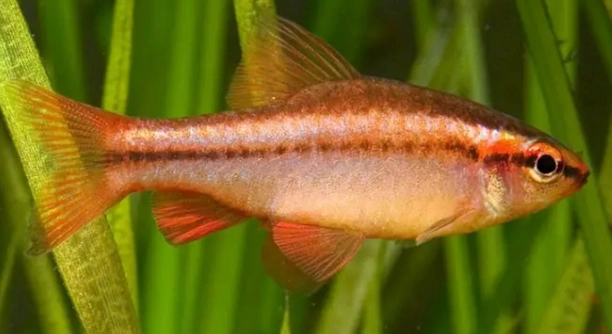
Cherry Barbs are popular freshwater fish, known for their bright colors and peaceful nature. Many fishkeepers appreciate their ease of care and the lively atmosphere they bring to aquariums. But, just like any pet, they can face health issues.
Yes, Cherry Barbs can get fat. This typically happens when they are overfed or don’t get enough exercise. Fatty deposits can form, leading to health problems if not addressed. Proper diet and care can help prevent obesity.
Maintaining a healthy weight is essential for Cherry Barbs. Ensuring a balanced diet and active environment will keep them in top shape.
What Causes Cherry Barbs to Gain Weight?
Overfeeding is one of the main reasons Cherry Barbs gain weight. If they’re given too much food, especially high-fat pellets or flakes, they can become obese. Additionally, a lack of activity can contribute to weight gain. In their natural environment, Cherry Barbs swim freely, exploring. In a tank, however, they might not get the exercise they need if there isn’t enough space or stimulation. Another factor is the water temperature. Higher temperatures can make Cherry Barbs less active, leading to weight gain if food intake is not reduced. It’s essential to create an environment that encourages healthy movement and limit their food intake to avoid unnecessary weight gain.
Keeping Cherry Barbs on a healthy diet and providing adequate space for swimming can prevent obesity. With the right care, they can maintain a healthy weight and stay active.
For a balanced diet, avoid overfeeding. Instead, provide them with small portions of high-quality fish food, and offer them a variety of options like live or frozen foods. You should also ensure they have ample space for swimming. An aquarium with plants, rocks, and hiding spots will encourage them to move around. Regularly cleaning their tank and monitoring the water temperature is important too. Cold water can make them more active and promote a healthy lifestyle. By focusing on these key factors, you can help your Cherry Barbs stay fit and healthy.
Signs of Overweight Cherry Barbs
Fat Cherry Barbs might not be obvious right away, but there are a few key signs to look for. They may swim slower, seem lethargic, or have a bloated appearance.
An overweight Cherry Barb will often have a distended belly, especially if it’s due to overfeeding. This can make them appear sluggish. While Cherry Barbs are usually quite active, obesity can limit their swimming, affecting their overall well-being. You’ll also notice that they may struggle to keep up with other fish in the tank. When a fish’s body becomes weighed down, it impacts their ability to move as efficiently as they once did. If you notice a Cherry Barb spending too much time at the bottom of the tank, it’s a sign they might not be as healthy as they should be. A lack of interest in food or a decreased appetite can also indicate that they are not feeling well due to excessive weight.
Making simple adjustments to their diet and environment can help. By limiting food portions, offering more space to swim, and reducing stress factors, Cherry Barbs can easily return to a healthier state. Keep an eye on your fish’s behavior, and act quickly if you notice signs of obesity. A proactive approach is the best way to ensure their long-term health.
How to Prevent Obesity in Cherry Barbs
Preventing obesity in Cherry Barbs is simple, but it requires consistency. The most important step is to control their diet, avoiding overfeeding.
Offering smaller portions of food once or twice a day will help maintain their weight. High-quality fish food is better than over-processed flakes. You should avoid feeding them more than they can consume in 2-3 minutes. This prevents uneaten food from polluting the water, which can also affect their health. It’s also helpful to incorporate live foods, like brine shrimp or daphnia, which can encourage more natural hunting and swimming behavior.
A clean and spacious tank encourages movement, reducing the likelihood of inactivity and weight gain. Adding plants, hiding spots, or even gentle water current can stimulate your Cherry Barbs to swim more. The more active they are, the healthier they will stay. Keeping the water temperature stable is essential too. Warmer water can lead to sluggishness, so try to keep the tank cooler within the recommended range for Cherry Barbs.
What to Do if Your Cherry Barb Gets Overweight
If your Cherry Barb has gained weight, it’s crucial to make changes quickly to avoid long-term health problems. Reducing their food intake is the first step.
Switch to feeding them once a day with smaller portions, using high-quality food. Avoid any high-fat foods that can contribute to fat accumulation. You may also want to temporarily reduce the amount of live food, like bloodworms, as they can be high in fat. For exercise, ensure that your Cherry Barb has plenty of space to swim. Adding decorations, plants, or more hiding spots will make them feel secure and encourage movement. Inactive fish often become overweight, so giving them the room to roam helps keep them fit.
Monitoring their behavior and overall health is key. If you notice that the fish is still not showing any improvement or continues to gain weight, it might be worth checking the water conditions. Ensure proper water circulation and keep the tank clean. Over time, your Cherry Barb should slim down and return to a more active state. Regular water changes will also improve the tank environment and help reduce stress on your fish.
The Role of Water Quality in Preventing Obesity
Water quality plays a significant role in maintaining the health of Cherry Barbs. Poor water conditions can lead to stress, which makes them less active and more prone to gaining weight.
Keep the water clean and well-filtered to avoid the buildup of toxins. Regular water changes and proper filtration are essential for a healthy tank. This not only supports your Cherry Barbs’ overall well-being but also encourages them to be more active. Over time, poor water quality can lead to sluggishness, causing your fish to gain weight and become less engaged in their environment.
Choosing the Right Tankmates for Cherry Barbs
When selecting tankmates for Cherry Barbs, it’s crucial to choose peaceful species that won’t stress them out. Stress can affect their appetite and activity level, leading to potential weight gain.
Cherry Barbs do well with other calm fish, such as small tetras, rasboras, and peaceful shrimp. Avoid keeping them with overly aggressive or competitive species. This ensures your Cherry Barbs feel secure and can maintain their natural behavior, including active swimming. A comfortable tank environment without stress encourages them to stay healthy and fit. Always research the temperament of potential tankmates before adding them to the tank.
The Importance of a Balanced Diet
A balanced diet is key to keeping your Cherry Barbs healthy and preventing obesity. Offering a variety of food options ensures they get the right nutrients.
Incorporating different types of food such as flakes, pellets, and live or frozen food like brine shrimp and bloodworms provides the necessary vitamins and proteins. However, it’s important to limit high-fat foods, especially if your fish are gaining weight. A balanced diet, along with proper portion control, will keep them in good shape and help maintain their energy levels.
FAQ
Can Cherry Barbs eat too much?
Yes, Cherry Barbs can eat too much if overfed. Overfeeding can lead to obesity, as they don’t always regulate their food intake. It’s essential to feed them only what they can consume in 2-3 minutes. A common mistake is feeding them more than they need, which results in excess fat and other health problems. Smaller, more frequent feedings are the best way to keep them healthy. Ensure you remove any uneaten food from the tank to avoid water contamination, which can also cause stress and poor health.
How often should I feed my Cherry Barb?
You should feed your Cherry Barb once or twice a day, depending on their age and activity level. Younger Cherry Barbs may need slightly more food as they grow, but adults generally do well with one feeding. It’s crucial to monitor how much they eat and adjust portions accordingly to avoid overfeeding. Offering high-quality food, such as pellets, flakes, and occasional live food, is best. Remember, feeding them in small amounts ensures they stay active and healthy.
What are the signs that my Cherry Barb is overweight?
Overweight Cherry Barbs often appear lethargic and have a bloated or distended belly. They may swim slower than usual or hang around the bottom of the tank more often. Their appearance can also change, with their body looking rounder or more bloated, especially around the abdomen. A lack of interest in food or less frequent swimming can be signs that they’re struggling with obesity. If you notice these behaviors, it’s essential to adjust their diet and make sure they have enough space to move around and stay active.
Is it okay to give Cherry Barbs live food?
Yes, giving Cherry Barbs live food, like brine shrimp or daphnia, is beneficial. Live foods provide essential nutrients that improve their health and encourage natural foraging behavior. However, be mindful of the amount you give. Live foods are often higher in fat, so if they’re overfed, this can lead to weight gain. Offering live food occasionally, alongside a balanced diet of flakes or pellets, ensures they get all the nutrients they need without the risk of obesity.
What is the best temperature for Cherry Barbs?
The best temperature range for Cherry Barbs is between 74°F and 79°F (23°C to 26°C). This temperature range supports their natural activity levels and promotes healthy digestion. Temperatures above this range can make Cherry Barbs sluggish and more prone to gaining weight. It’s essential to maintain a stable water temperature, as fluctuations can cause stress, which negatively impacts their health and activity levels. Keep your tank heater set to a comfortable and consistent temperature to avoid issues.
How do I make my Cherry Barb more active?
To make your Cherry Barb more active, provide plenty of swimming space and enrich their environment with plants, rocks, and decorations. These will encourage natural behavior like exploring and hiding. A gentle water current can also stimulate movement, mimicking their natural habitat. Additionally, keeping the water quality high and the temperature within the optimal range ensures they remain healthy and active. Regular tank maintenance, like water changes and proper filtration, is also important to reduce stress and maintain their energy levels.
Can Cherry Barbs live with other fish?
Yes, Cherry Barbs are peaceful fish and can live with many other species, including small tetras, rasboras, and peaceful shrimp. It’s important to avoid aggressive or overly active fish that might stress them out, as stress can affect their behavior and appetite. Cherry Barbs are best kept in a community tank where they have space to swim and are not disturbed by aggressive tankmates. The right combination of tankmates ensures they remain calm and active.
How do I prevent Cherry Barbs from getting stressed?
To prevent stress in Cherry Barbs, maintain good water quality and ensure their tank is large enough to swim freely. Avoid overcrowding the tank, as this can create territorial stress. Provide hiding spots and plants for them to explore, which will make them feel secure. Keep the water temperature stable and ensure they are not kept with aggressive fish that could cause them anxiety. Regular water changes and avoiding sharp decorations or objects in the tank will also help prevent injuries and stress.
What kind of food should I give Cherry Barbs?
Cherry Barbs thrive on a balanced diet, including high-quality flakes or pellets designed for tropical fish. Occasionally, you can offer live or frozen food like brine shrimp, bloodworms, or daphnia, which provide extra nutrients. A variety of food keeps them engaged and helps prevent boredom, but be careful with fatty foods, as they can lead to obesity. It’s important to feed them only what they can consume in a few minutes, removing any uneaten food to keep the water clean.
Do Cherry Barbs require special care?
Cherry Barbs are relatively low-maintenance fish but do require a few essential care steps. They need clean, stable water with a good filtration system, and their tank should be kept at a consistent temperature between 74°F and 79°F. While they don’t require special lighting, adding plants or decorations to mimic their natural environment will help them feel at home. As with all fish, avoid overfeeding and ensure they have enough space to swim. Regular water changes and tank maintenance are key to keeping them healthy.
Can Cherry Barbs get along with other peaceful species?
Yes, Cherry Barbs are peaceful and do well in community tanks. They are social fish and enjoy being in groups, but they won’t dominate the tank. Ideal tankmates include small, peaceful fish like tetras, rasboras, and guppies. They can also coexist with peaceful shrimp and snails. However, avoid keeping them with aggressive fish, as this can cause stress and harm. The more relaxed the environment, the happier and healthier your Cherry Barbs will be.
Why are my Cherry Barbs not swimming as much?
If your Cherry Barbs aren’t swimming much, it could be a sign of stress, poor water conditions, or obesity. Check the water quality and temperature to make sure they are within the optimal range. Poor water conditions or a dirty tank can make them lethargic. If they are overweight, they may also lack the energy to swim. Overfeeding, lack of space, or stress from aggressive tankmates can all lead to reduced activity levels. By addressing these factors, you can help them become more active and healthier.
Final Thoughts
Cherry Barbs are wonderful fish to keep in an aquarium. They are peaceful, colorful, and easy to care for, making them a popular choice among fishkeepers. However, like any pet, they can face health issues if not properly cared for. One common issue is obesity, which can result from overfeeding and a lack of exercise. By understanding how to prevent and address weight gain, you can ensure your Cherry Barbs stay healthy and active for years to come.
The key to preventing obesity in Cherry Barbs is maintaining a balanced diet and providing enough space for them to swim. Avoid overfeeding them, as this can lead to weight gain and poor health. Feeding small portions once or twice a day is sufficient, and it’s best to provide a variety of foods to keep them interested. Live or frozen food can be given occasionally, but it’s important not to overdo it with high-fat options. Regular water changes, proper filtration, and a clean tank will also help keep your fish in top shape.
It’s also essential to pay attention to the tank environment. Cherry Barbs need space to swim and explore, so avoid overcrowding the tank. Adding plants, rocks, or decorations will give them areas to hide and encourage movement. Keeping the water temperature stable and ensuring it’s within the right range will also help them remain active. By providing a well-maintained environment, proper diet, and adequate care, your Cherry Barbs will thrive and stay healthy, reducing the risk of obesity and other health problems.

Hello,
If you enjoy the content that we create, please consider saying a "Thank You!" by leaving a tip.
Every little bit helps us continue crafting quality advice that supports the health, happiness, and well-being of pets around the world, for pets of all shapes, sizes, and species.
We really appreciate the kindness and support that you show us!