
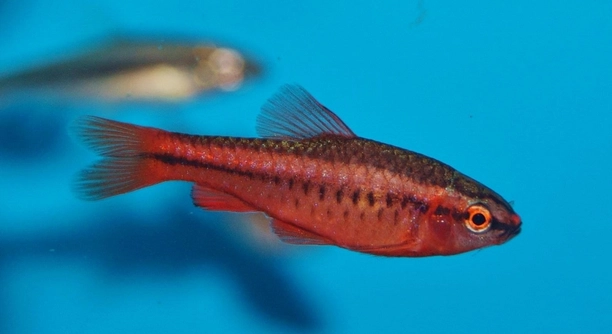
Cherry Barbs are small, peaceful fish often kept in community aquariums. Known for their vibrant colors and active nature, they are a popular choice for many aquarium enthusiasts. Understanding their social behavior can help enhance their care.
Cherry Barbs can form mini-groups within a school, but this behavior is typically influenced by factors such as tank size, water conditions, and the number of fish present. Maintaining a balance of these factors is essential for their social stability.
Understanding how these factors interact will help you create a healthy environment for your Cherry Barbs, ensuring they thrive in their school.
Social Structure of Cherry Barbs
Cherry Barbs are known to be social fish, typically thriving in groups. However, they don’t always form large schools unless certain conditions are met. In smaller tanks, it can be difficult to see them exhibiting school-like behavior. To encourage social interaction, it’s important to provide enough space for them to move freely without feeling cramped. A school of five or more Cherry Barbs is ideal, as they feel more secure when surrounded by their own kind. If their environment is too small or their numbers too few, they might become more isolated or timid, impacting their overall behavior.
The size of the tank plays a critical role in the formation of mini-groups. A well-sized tank allows the Cherry Barbs to spread out, reducing stress and encouraging natural social behavior. It also helps maintain water quality, which is essential for the health of all fish in the tank.
In aquariums with appropriate space and conditions, Cherry Barbs can form mini-groups, often staying close together. This social behavior reduces stress and boosts their confidence. You’ll often notice them swimming together, particularly during feeding times or when exploring new areas of the tank.
Factors Influencing Mini-Group Formation
Several factors influence how Cherry Barbs form mini-groups. Water quality and temperature are key to their well-being. Stable conditions prevent stress and promote a harmonious environment. When all conditions align, Cherry Barbs tend to stick together more often.
To maximize the social behavior of Cherry Barbs, it’s essential to maintain water parameters such as temperature, pH, and hardness within their ideal range. In tanks with these conditions, they thrive, showing more social interaction, which can be observed when they swim together, display vibrant colors, and engage in natural behaviors.
Tank Size and Cherry Barb Behavior
The size of the tank is a crucial factor in the behavior of Cherry Barbs. A cramped space can lead to stress, affecting their social interactions. In a smaller tank, they may be less active or hesitant to form groups. A larger tank provides more room to move and interact.
A minimum of a 20-gallon tank is recommended for a small group of Cherry Barbs. This gives them ample space to swim and establish their social structure. Tanks that are too small often lead to territorial behavior, with some fish becoming isolated. The more room they have, the more likely they are to school together. In larger tanks, they feel safer and are more likely to interact with each other, leading to healthier, happier fish.
When it comes to Cherry Barbs, the more space they have, the more natural their behavior becomes. They’ll swim in harmony, explore different areas, and engage in typical schooling patterns. Providing a spacious environment is the simplest way to encourage mini-group formations.
The Role of Water Quality
Water quality plays a pivotal role in ensuring Cherry Barbs thrive in a social setting. Poor water conditions, such as fluctuations in temperature or high levels of ammonia, can create stress. This can prevent the Barbs from schooling effectively.
Maintaining stable water parameters such as pH, hardness, and temperature helps promote natural behavior. Clean water is essential to their health and well-being. When these factors are consistent, Cherry Barbs are more likely to exhibit the social behaviors that help them form mini-groups. Water changes should be performed regularly to keep these levels stable, providing a comfortable environment where they can thrive. Without good water quality, their social interactions may be limited, and they may even become aggressive or withdrawn.
When Cherry Barbs are in an optimal environment, the social bonds within their mini-groups strengthen. They become more interactive and less stressed, allowing them to display their vibrant colors and school together. Keeping water quality in check is one of the simplest yet most important aspects of their care.
Number of Cherry Barbs in the School
The number of Cherry Barbs in a tank can impact how well they form mini-groups. A small number of Barbs often leads to shy or isolated behavior. To encourage group dynamics, at least five Cherry Barbs should be kept together.
With fewer than five, Cherry Barbs may not engage in social behavior and could act more timidly. Having a larger school reduces stress and promotes natural schooling behavior. The group will feel safer, encouraging them to interact with each other and swim in synchrony. This improves their overall well-being and activity level.
The ideal number of Cherry Barbs for forming mini-groups is five or more. The more, the better—this creates a sense of security and allows them to thrive as a cohesive school. Ensuring they have enough companions is vital for their social behavior.
Tank Companions
When selecting tank mates, consider the temperament of other fish. Cherry Barbs are peaceful but may get stressed by more aggressive species. Suitable companions encourage healthy interactions and prevent territorial behavior.
Fish like Corydoras or smaller species of tetras make ideal tank mates for Cherry Barbs. These species have similar care requirements and a peaceful temperament. Aggressive fish, such as larger cichlids, may create stress, causing the Barbs to withdraw. Ensuring all fish are compatible helps maintain a calm environment. When Cherry Barbs feel secure with their companions, they are more likely to engage in social behavior.
Environmental Enrichment
Cherry Barbs thrive in a well-decorated tank with plenty of hiding spots. Providing plants, rocks, and other natural decorations can make them feel safe and less stressed. This also encourages interaction within the group.
Having areas to explore allows Cherry Barbs to feel comfortable in their environment. They will often swim through plants or hide in crevices, making them more active and less shy. A well-enriched tank promotes both social behavior and mental stimulation, which are important for their overall health.
FAQ
Can Cherry Barbs live with other fish?
Yes, Cherry Barbs are peaceful fish and can live with many other species. They do well in community tanks, especially with non-aggressive fish. However, it’s important to avoid pairing them with larger, more territorial species that may cause stress or intimidate them. Species such as Corydoras catfish, guppies, or small tetras are great tank mates. Just make sure that all the fish share similar water requirements and aren’t too aggressive.
How many Cherry Barbs should I keep together?
Cherry Barbs should ideally be kept in groups of five or more to encourage natural schooling behavior. A larger group will reduce stress and help them feel more secure, making them more likely to swim together and interact. Keeping fewer than five can lead to more isolated behavior, with the fish becoming shy or less active.
Do Cherry Barbs need a heater in their tank?
Yes, Cherry Barbs prefer warm water, with an ideal temperature range of 75°F to 80°F (24°C to 27°C). A heater is important in maintaining consistent water temperatures, especially in cooler climates. Stable temperatures help prevent stress and support their overall health. If temperatures fluctuate too much, it can lead to health problems or even affect their social behavior.
What size tank is best for Cherry Barbs?
For a small group of Cherry Barbs, a 20-gallon tank is a good starting point. This size provides enough room for them to swim and interact freely, promoting natural schooling behavior. A larger tank is even better, as it allows for more tank mates and environmental enrichment, which can reduce stress and improve overall health.
Can Cherry Barbs live in a tank with plants?
Yes, Cherry Barbs thrive in tanks with plants. Plants provide shelter and hiding spots, which can reduce stress and make the fish feel more secure. Additionally, plants help maintain water quality by absorbing excess nutrients. Cherry Barbs will often swim around and hide in plants, creating a more natural environment for them.
What is the lifespan of a Cherry Barb?
Cherry Barbs typically live for 3 to 5 years, though they may live longer with optimal care. Providing a proper environment, good water quality, and a balanced diet can extend their lifespan. Regular water changes and monitoring of tank conditions can prevent health problems and ensure a long, healthy life for your Cherry Barbs.
Are Cherry Barbs easy to care for?
Cherry Barbs are relatively easy to care for, making them a great choice for beginners. They are hardy fish that adapt well to various conditions. However, like all fish, they require a stable, clean environment with appropriate water conditions. Regular tank maintenance, such as water changes and monitoring of temperature and pH, will keep them happy and healthy.
Do Cherry Barbs need a filter?
Yes, a filter is important for maintaining clean water in your Cherry Barb’s tank. A filter helps remove excess waste and debris, preventing harmful toxins from building up in the water. This is especially important in a community tank, where waste from multiple fish can accumulate quickly. A filter ensures stable water quality, which is essential for Cherry Barbs and their tank mates.
Can Cherry Barbs breed in a home aquarium?
Yes, Cherry Barbs can breed in a home aquarium, but there are a few things to consider. You’ll need a separate breeding tank with plants or spawning mops for the eggs to stick to. The male will chase the female, and once she’s ready to spawn, they’ll deposit the eggs. After breeding, it’s a good idea to remove the adults, as they may eat the eggs or fry.
Why are my Cherry Barbs not schooling together?
If your Cherry Barbs aren’t schooling together, it may be due to stress or unsuitable tank conditions. Common causes include poor water quality, inadequate tank size, or a lack of hiding spots. Cherry Barbs feel safer in a larger group, so keeping fewer than five may lead to isolation. Ensuring that the water temperature, pH, and hardness are ideal will encourage natural behavior.
Can Cherry Barbs tolerate different water conditions?
Cherry Barbs are relatively adaptable to different water conditions but thrive best in stable, slightly acidic to neutral water. They prefer temperatures between 75°F and 80°F and a pH range of 6.0 to 7.5. Fluctuations in water quality, such as high ammonia or nitrite levels, can cause stress and health issues. Keeping the water conditions stable is key to their well-being.
How often should I feed my Cherry Barbs?
Cherry Barbs should be fed small amounts of food once or twice a day. Overfeeding can lead to poor water quality and health problems. A balanced diet consisting of high-quality flakes, pellets, and occasional live or frozen foods like brine shrimp will keep them healthy. Remove any uneaten food after a few minutes to prevent it from decaying in the tank.
Do Cherry Barbs require special lighting?
Cherry Barbs do not require special lighting but prefer moderate lighting. Too bright of a light can stress them, especially if the tank doesn’t have enough hiding places. If you have live plants, make sure the lighting is suitable for both the plants and the fish. A light cycle of 10 to 12 hours per day is usually sufficient.
Are Cherry Barbs active swimmers?
Yes, Cherry Barbs are active swimmers and enjoy exploring their environment. They typically swim in the middle or upper levels of the tank. Providing plenty of swimming space and decorations for them to explore helps keep them active and engaged. They will be more active if they feel safe in their environment and have enough companions.
Do Cherry Barbs prefer calm or flowing water?
Cherry Barbs prefer calm to slightly flowing water. Strong currents can stress them out, especially in a small tank. It’s best to provide gentle filtration and avoid placing them in areas with strong water movement. However, a light current can help mimic their natural habitat, as they are found in slow-moving streams.
Final Thoughts
Cherry Barbs are relatively easy to care for, making them an excellent choice for both beginners and experienced fishkeepers. They are peaceful, social fish that thrive in groups and appreciate having companions around. A small school of five or more Cherry Barbs will help them feel secure and encourage natural schooling behavior. A proper tank environment with appropriate tank mates, plants, and enough space to swim is crucial for their well-being. By providing these essentials, Cherry Barbs can thrive and offer beautiful movement and color to your aquarium.
Their peaceful nature makes them compatible with a variety of other species, provided those species are similarly non-aggressive. Choosing the right tank mates can prevent stress and aggression, allowing all fish to coexist peacefully. Additionally, ensuring that the water conditions are stable and suitable for Cherry Barbs will help reduce the chances of stress-related health issues. With the right care, Cherry Barbs can live a long and healthy life, typically ranging from 3 to 5 years, or even longer in optimal conditions.
Overall, Cherry Barbs are an excellent addition to a well-maintained aquarium. Their attractive colors and active behavior can bring life to any tank. Whether you’re a beginner looking for a low-maintenance fish or an experienced hobbyist seeking a peaceful community species, Cherry Barbs fit well in many aquarium setups. With proper care, they can provide years of enjoyment and contribute to a balanced, harmonious aquarium environment.

Hello,
If you enjoy the content that we create, please consider saying a "Thank You!" by leaving a tip.
Every little bit helps us continue crafting quality advice that supports the health, happiness, and well-being of pets around the world, for pets of all shapes, sizes, and species.
We really appreciate the kindness and support that you show us!