
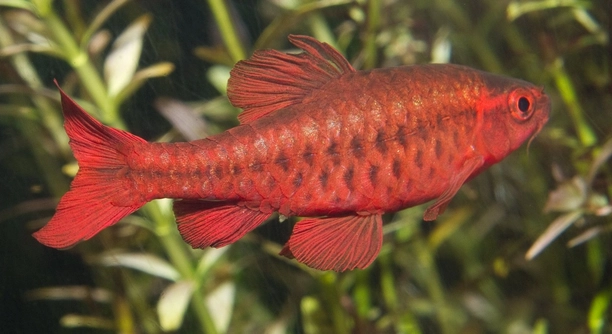
Cherry Barbs are popular freshwater fish known for their vibrant colors and peaceful nature. Their behavior and tankmate compatibility are often a topic of interest for aquarium enthusiasts. Understanding their social needs is essential for a balanced aquarium environment.
Cherry Barbs can form bonds with specific tankmates, especially if the tank is large enough to provide territories. They are generally peaceful but can show preferences for compatible species like other barbs, tetras, and calm community fish.
With proper care, Cherry Barbs can thrive with the right companions. Understanding their behavior and the needs of potential tankmates will create a harmonious aquarium.
Understanding Cherry Barbs’ Social Behavior
Cherry Barbs are naturally social fish, often enjoying the company of their own species. In a well-sized tank, they tend to group together, establishing a sense of security. This group behavior is important when selecting their tankmates. Although Cherry Barbs are peaceful, they can sometimes show a preference for other peaceful fish that share similar environmental needs. They will thrive in an aquarium with fish that are not overly aggressive and that can co-exist peacefully.
Adding Cherry Barbs to a tank with other species can be a rewarding experience if the right balance is maintained. These fish have specific needs when it comes to water temperature, pH, and swimming space. Ensuring that tankmates can meet these requirements will increase the likelihood of a successful relationship. Understanding Cherry Barbs’ behavior towards other fish is essential in creating a stress-free environment.
By observing the way Cherry Barbs interact with different species, it becomes clear which tankmates are ideal. Some fish, like certain tetras and rasboras, are known to co-habit well with them due to their similar behavior and environmental needs. However, the temperament of each individual fish can vary. It’s important to monitor interactions and adjust as necessary to maintain harmony within the tank.
Ideal Tankmates for Cherry Barbs
The right tankmates can make a big difference. Cherry Barbs often thrive in community tanks with fish that are calm and non-aggressive.
Fish like Corydoras, Neon Tetras, and other small barbs usually get along well. These species are peaceful and share similar water preferences, ensuring a balanced, harmonious tank.
Tankmates to Avoid with Cherry Barbs
Cherry Barbs should not be housed with overly aggressive fish. Larger, predatory species can stress them out or even harm them.
Fish like cichlids, bettas, and larger tetras tend to be too aggressive for Cherry Barbs. These species may chase or nip at the Cherry Barbs, causing constant stress. Additionally, fish that require different water conditions, such as pH or temperature, are not suitable. It’s crucial to match the needs of all tank inhabitants for a peaceful environment.
Keeping Cherry Barbs with the wrong tankmates can cause long-term health issues due to stress. Stress lowers their immune system and makes them more vulnerable to disease. To avoid this, it’s important to carefully select compatible species, ensuring their needs align. Having tankmates that match the Cherry Barbs’ calm temperament will make for a healthier and more peaceful aquarium setup.
Ensuring Compatibility in a Community Tank
When selecting tankmates for Cherry Barbs, it’s important to consider both size and temperament. Smaller, peaceful fish make better companions.
Community tanks with slow-moving or non-territorial species work best. Consider species like guppies, mollies, or other peaceful barbs. These fish generally coexist well with Cherry Barbs, as they share similar water requirements and exhibit a calm demeanor. Be mindful of the size of the tank, as overcrowding can create stress, even among compatible species. A well-balanced tank ensures that all fish feel secure and are less likely to exhibit aggressive behaviors.
Cherry Barbs and Schooling Behavior
Cherry Barbs are known to be schooling fish. Keeping them in groups of at least six helps reduce stress and encourages natural behaviors.
Without a proper school, Cherry Barbs can become skittish and anxious, often hiding more than they should. A small group may fail to establish social bonds, which can lead to stress-related health issues. A larger school will allow them to thrive in a more natural, social environment.
Creating a group of Cherry Barbs within a community tank promotes a more active and engaging environment. These fish interact more when housed with their own species, providing a sense of security. It’s important to ensure the group is large enough to foster healthy, natural behaviors.
Ideal Aquarium Size for Cherry Barbs
The size of the tank is crucial when housing Cherry Barbs. A tank of at least 20 gallons is recommended for a small school.
Providing enough space for swimming helps reduce aggression and territorial behavior. If kept in a tank that is too small, the fish can become stressed, leading to unhealthy interactions with their tankmates. A larger tank also allows for more diverse plant and hiding space, promoting a healthier environment for all inhabitants.
Water Conditions for Cherry Barbs
Maintaining the right water parameters is essential for Cherry Barbs. They prefer slightly acidic to neutral water, with a pH between 6.5 and 7.5.
Temperature also plays a role in their well-being. Keeping the water between 72°F and 78°F (22°C-26°C) ensures that they stay healthy and active. Regular water changes and proper filtration are necessary to keep the environment stable and clean.
FAQ
Can Cherry Barbs live with Betta fish?
Cherry Barbs are generally peaceful, but Betta fish, especially males, can be territorial and aggressive. It’s not recommended to house them together. Betta fish may nip at the Cherry Barbs or chase them, causing stress. If you must try, ensure the tank is large enough with plenty of hiding spots to reduce tension.
Do Cherry Barbs need a filter?
Yes, Cherry Barbs thrive in tanks with a proper filtration system. They need clean water to stay healthy. A filter helps remove excess waste and keeps the water oxygenated, providing a healthier environment for the fish. However, make sure the filter flow is not too strong as it may stress the Cherry Barbs.
How many Cherry Barbs should be kept together?
Cherry Barbs are schooling fish, so it’s important to keep them in groups. A minimum of six fish is recommended to reduce stress and encourage natural behaviors. The more fish in the group, the more secure they will feel. Larger schools help create a calm and active tank environment.
Can Cherry Barbs live with shrimp?
Yes, Cherry Barbs can live with shrimp, especially smaller species like Cherry Shrimp or Amano Shrimp. However, be cautious with smaller shrimp, as some Barbs may try to nibble on them. Ensure the tank has plenty of hiding spots for the shrimp to escape if needed.
Do Cherry Barbs need a lot of plants in their tank?
While Cherry Barbs don’t require a heavily planted tank, they do appreciate having plants as part of their environment. Plants provide hiding spots and offer a more natural setup. Live plants can also help maintain water quality by absorbing excess nutrients, which is beneficial for all fish in the tank.
Are Cherry Barbs easy to care for?
Yes, Cherry Barbs are relatively easy to care for. They are hardy and adaptable to a variety of water conditions, making them ideal for beginner fishkeepers. However, providing the right water parameters, a peaceful tank environment, and proper feeding will ensure they stay healthy and thrive in your aquarium.
What is the lifespan of Cherry Barbs?
Cherry Barbs typically live for about 3 to 5 years, although some may live longer with proper care. Providing stable water conditions, a balanced diet, and low stress will help extend their lifespan. Regular tank maintenance also contributes to their overall health and well-being.
Do Cherry Barbs get along with other types of Barbs?
Cherry Barbs generally get along well with other species of Barbs, such as the Odessa Barbs or Tiger Barbs, as long as they are not too aggressive. However, it’s important to ensure that tankmates are not overly territorial. A peaceful community setup with plenty of space will help prevent conflicts.
Can Cherry Barbs breed in a community tank?
Yes, Cherry Barbs can breed in a community tank, though it’s not guaranteed. To breed them, provide a separate breeding area or breeding tank to ensure the eggs are not eaten by other tankmates. Keeping the water temperature slightly higher and offering plenty of plants for egg laying can also help.
What should I feed Cherry Barbs?
Cherry Barbs are omnivores and will accept a wide variety of foods. They enjoy a mix of high-quality flake food, live or frozen foods like brine shrimp or bloodworms, and vegetable matter such as blanched spinach or zucchini. A varied diet helps ensure they get all the nutrients they need.
Are Cherry Barbs active fish?
Yes, Cherry Barbs are active swimmers. They enjoy exploring the tank and will interact with each other in groups. Providing plenty of swimming space is important for their well-being. While not as active as some other species, they do enjoy being part of a dynamic community in the tank.
Can Cherry Barbs live in cold water tanks?
No, Cherry Barbs are tropical fish and require warm water to thrive. Keeping them in cold water can stress them and lead to health issues. The water temperature should be between 72°F and 78°F (22°C-26°C) to ensure they stay healthy. Cold water tanks are better suited for species like goldfish.
Do Cherry Barbs require specific lighting?
Cherry Barbs don’t require specific lighting, but they do appreciate a moderate light level. Too much light can cause algae growth, while too little light can affect plant growth in the tank. Providing a natural light cycle with about 10-12 hours of light per day works well for Cherry Barbs and their tankmates.
Can Cherry Barbs be kept with goldfish?
Cherry Barbs are not recommended to be kept with goldfish. Goldfish thrive in cooler water, while Cherry Barbs need warmer temperatures. Goldfish can also be messy eaters, which could degrade water quality, affecting the health of the Cherry Barbs. These two species have different care requirements that make them unsuitable companions.
How do I know if my Cherry Barb is stressed?
Signs of stress in Cherry Barbs include hiding frequently, a lack of appetite, rapid gill movement, or faded colors. They may also exhibit erratic swimming or darting behavior. Stress can be caused by poor water quality, aggressive tankmates, or improper tank conditions. Addressing the issue quickly will help improve their health.
Can I add Cherry Barbs to an established tank?
Yes, Cherry Barbs can be added to an established tank as long as the water parameters are appropriate for them. Make sure to gradually introduce them to prevent stress and give them time to adjust to their new surroundings. Observe the interactions with existing tankmates to ensure a smooth transition.
Final Thoughts
Cherry Barbs make excellent additions to a community tank due to their peaceful nature and vibrant colors. They are easy to care for, adapting well to different water conditions and living with a variety of tankmates. While they do best in schools, even a small group can thrive if provided with proper care. Their active, yet calm behavior allows them to coexist with many species in a well-maintained aquarium. Whether you’re a beginner or an experienced fish keeper, Cherry Barbs are a good choice for those looking to add a lively touch to their tank.
Providing the right environment for Cherry Barbs is essential for their well-being. Maintaining stable water conditions, proper filtration, and an appropriately sized tank are key factors in keeping them healthy. They prefer warm water temperatures and slightly acidic to neutral pH levels. Along with a varied diet, these fish will thrive, showing off their full potential in a well-balanced tank. Regular maintenance and monitoring of water quality also play a major role in ensuring their longevity. With the right conditions, Cherry Barbs can live for several years, offering beauty and movement to your aquarium.
When selecting tankmates for Cherry Barbs, it’s important to choose peaceful species that won’t stress or harm them. While they are generally non-aggressive, tankmates with overly territorial or aggressive behaviors can disrupt their peace. Opting for species that share similar water requirements and behavioral traits ensures a harmonious aquarium environment. With proper care, Cherry Barbs will not only thrive but also become an enjoyable part of your aquatic community, offering color and movement without the challenges of more difficult species.

Hello,
If you enjoy the content that we create, please consider saying a "Thank You!" by leaving a tip.
Every little bit helps us continue crafting quality advice that supports the health, happiness, and well-being of pets around the world, for pets of all shapes, sizes, and species.
We really appreciate the kindness and support that you show us!