
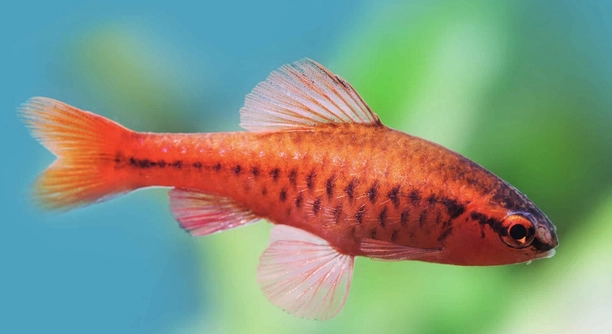
Have you ever found yourself watching your cherry barbs and wondering if there’s more going on behind those little eyes?
Cherry barbs show basic emotional responses through changes in behavior and physiology, but current research suggests these are instinct-driven reactions rather than complex emotions. Scientific studies remain cautious about assigning human-like feelings to fish.
From observing subtle changes to understanding how stress plays a role, we will explore what truly goes on in the world of cherry barbs.
Understanding Cherry Barb Behavior
Cherry barbs are small freshwater fish known for their calm nature and vibrant colors. When kept in groups, they display schooling behavior and prefer to stay in the middle or lower parts of the tank. They respond to changes in light, water conditions, and the presence of other fish by altering their swimming patterns or hiding. When they feel safe, they swim in open areas and display brighter colors. During feeding, they become more active and responsive. If stressed or unwell, they may become pale or isolate themselves. These responses are natural and help them survive.
Cherry barbs are sensitive to their environment and react quickly to stress or comfort. These behaviors help them avoid danger and stay healthy.
Observing your cherry barbs daily can help you notice small changes that suggest stress or discomfort. This may include less activity, loss of color, or odd swimming behavior. Fishkeepers often use these signs to adjust tank conditions.
Do Fish Feel Emotions Like Humans?
Cherry barbs do not experience emotions the way humans do. Their reactions are mostly automatic, helping them survive in changing environments.
Scientific studies show that fish have nervous systems capable of basic responses like fear or stress. These reactions are linked to brain structures that handle survival instincts. Cherry barbs, for example, may flee when startled or hide when they feel threatened. This behavior looks emotional but comes from natural programming. Some researchers argue that fish can feel simple emotional states, but these are not as deep or complex as human emotions. It’s hard to measure because fish cannot express feelings in words. Most experts believe what we see is behavior shaped by their need to stay safe and healthy. So, while it may seem like they feel happiness or sadness, it’s more likely they are reacting to their environment in ways that support their survival.
How Cherry Barbs React to Stress
Cherry barbs often show signs of stress through behavior like hiding more often, swimming erratically, or losing their bright color. These changes usually mean something in their environment isn’t right, such as poor water quality or aggressive tank mates.
When cherry barbs experience stress, their bodies release hormones that prepare them for quick responses. This is similar to how other animals react under pressure. You might notice your fish darting suddenly or staying in one corner of the tank. These actions aren’t emotional in the human sense, but rather automatic responses. Stress can weaken their immune system, making them more likely to get sick. That’s why it’s important to keep their tank stable—clean water, calm surroundings, and the right number of companions. Even subtle things like loud noises near the tank can cause stress. Watching for these signals can help you take action early.
Long-term stress affects cherry barbs in serious ways. If left unchecked, it can lead to a loss of appetite, stunted growth, or increased aggression. Some fish may start nipping fins or avoiding others completely. This isn’t because they feel angry or sad—it’s their way of coping with discomfort. Keeping the tank environment consistent and peaceful is key. Small adjustments, like adding more plants for hiding spots or spacing out feeding times, can make a big difference. Even rearranging tank décor to reduce territorial tension helps. Cherry barbs do best when they feel secure, so small signs of stress should never be ignored. Observing them closely every day makes it easier to catch problems early.
Signs of Comfort in Cherry Barbs
Cherry barbs that feel comfortable often swim freely in open areas and stay active throughout the day. Their colors appear brighter, especially in males, and they interact peacefully with other fish in the tank.
They also eat regularly and may explore new objects in the tank. These are simple signs that they feel secure and relaxed in their environment.
The Role of Instinct in Cherry Barb Behavior
Most of what cherry barbs do is guided by instinct. Their responses to light, movement, and other fish are automatic. When a threat appears, they swim away quickly without needing to think. This is an instinct meant to keep them safe. When food is dropped into the tank, they rush toward it—another automatic behavior. Even when they build territories or choose mates, it’s not about emotion but about survival and reproduction. Their brains are built for quick decisions based on environmental cues, not emotional reflection. That’s why many behaviors may seem emotional but are really based on natural programming.
Can Cherry Barbs Bond With Humans?
Cherry barbs may react to your presence, especially around feeding time, but this is likely a learned association rather than a true emotional bond.
FAQ
Can cherry barbs feel happiness?
Cherry barbs don’t feel happiness in the same way humans do. What might look like happiness—such as bright colors, active swimming, or feeding excitement—is more about comfort and meeting basic needs. These are signs the fish is in a good environment, not signs of emotion. Scientists believe fish may have simple emotional states, but there’s no solid proof that cherry barbs feel joy or contentment. Their behaviors are more likely tied to instinct and survival. So while they may look “happy,” it’s really just their natural response to safe and stable surroundings.
Do cherry barbs recognize their owners?
Cherry barbs may learn to associate a person with food, especially if you feed them regularly. They might swim to the glass or gather near the top when they see you. But this behavior doesn’t mean they recognize you emotionally or bond with you. It’s more like conditioning—similar to how pets respond to food containers or certain sounds. They don’t have the brain structure to form strong emotional connections. Their reaction is driven by routine and habit, not personal attachment.
Why do cherry barbs change color?
Cherry barbs change color based on mood, health, and breeding readiness. Males turn a deeper red when feeling secure or during breeding. If a cherry barb becomes pale, it may be stressed, sick, or reacting to a sudden change in the tank. Good water quality, proper food, and low stress help them keep their bright colors. A dull or faded appearance is usually a sign something needs adjusting. Color changes happen often and are one of the easiest ways to tell how your cherry barb is doing.
Can cherry barbs feel pain?
Research suggests that fish, including cherry barbs, can feel a basic form of pain. They have pain receptors and show reactions to injury or harmful conditions. However, their pain experience is not the same as in mammals. It’s believed to be more of a physical response than an emotional one. For example, if they get injured, they may swim oddly or stay hidden. While this means we should treat injuries and illness seriously, it doesn’t mean cherry barbs suffer emotionally like people do. Their pain is real, but simpler.
Why do cherry barbs hide a lot?
Frequent hiding usually means your cherry barb is stressed or scared. This could be from bullying by other fish, loud noises, sudden movements near the tank, or bad water conditions. A hiding cherry barb may also be sick or adjusting to a new tank. Hiding is a defense mechanism, helping them feel safe when they sense danger. You can help reduce this by keeping their environment stable, using plants or decorations for shelter, and limiting stressors like fast currents or overcrowding.
How can I tell if my cherry barb is stressed?
Signs of stress include pale color, erratic swimming, loss of appetite, hiding, or staying at the bottom. Stress may come from poor water quality, changes in temperature, aggression, or even boredom in an empty tank. If your cherry barb shows these signs, it’s a good idea to test the water, check the filter, and observe tank dynamics. Quick action can help avoid bigger health problems. Watching them every day helps you notice small changes early on.
Do cherry barbs need companions?
Yes, cherry barbs are social fish and prefer to live in groups. Keeping at least five or six together helps them feel secure. When alone or in too small a group, they may become stressed, hide more, or act aggressively. In a proper group, they school together, interact, and show better overall health. If you’re keeping cherry barbs, try to make space for a small group. They’ll be more relaxed, active, and less likely to show stress behaviors.
Can cherry barbs show affection?
Cherry barbs do not show affection like mammals or birds. What may seem like affection—such as swimming near another fish or staying close to a certain area—is more likely related to territory, mating, or safety. They may follow each other for comfort or during feeding, but it’s not emotional bonding. Their interactions are mostly practical and driven by survival instincts. Watching them interact can still be enjoyable, but it’s good to remember they operate on a much simpler level.
Final Thoughts
Cherry barbs are small, colorful fish that many people enjoy keeping in home aquariums. They are easy to care for and usually peaceful, making them a good choice for community tanks. Their behavior can seem emotional at times, especially when they swim toward you at feeding time or change colors. But most of what they do is based on instincts. They react to changes in their surroundings to stay safe, find food, or breed. These reactions may look like feelings, but they are really natural responses to what is happening in the tank.
It’s normal to want to believe that your fish feel love, joy, or sadness. After all, you spend time feeding them, cleaning their home, and watching them each day. While cherry barbs don’t feel emotions like humans, they still deserve good care. Giving them a clean tank, a peaceful environment, and a group to swim with can help them thrive. Paying attention to small changes—like color fading or unusual swimming—can help you catch problems early. These signs show how they respond to stress, even if they can’t express it in words. Your effort to keep them healthy makes a big difference in how they live.
Understanding that cherry barbs act from instinct doesn’t make their behavior any less interesting. In fact, it can help you better appreciate how they survive and interact. Watching how they respond to feeding, how males show off their bright colors, or how they school together can still be rewarding. It reminds us that even simple animals have ways of communicating and reacting to their world. Just because they don’t feel emotions the way we do doesn’t mean they don’t deserve care and respect. Their lives may be simple, but they still count. By learning more about how cherry barbs behave, you’re helping create a safer, better space for them in your tank.

Hello,
If you enjoy the content that we create, please consider saying a "Thank You!" by leaving a tip.
Every little bit helps us continue crafting quality advice that supports the health, happiness, and well-being of pets around the world, for pets of all shapes, sizes, and species.
We really appreciate the kindness and support that you show us!