
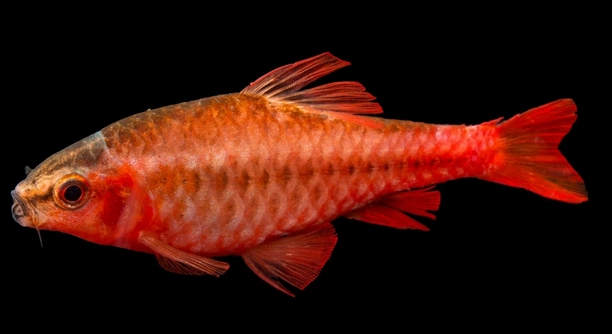
Cherry barbs are small, vibrant fish that are popular among aquarium enthusiasts. Many people enjoy observing their natural behavior, but can they be trained to respond to light cues? Understanding this behavior could offer new ways to interact with them.
Studies show that fish, including cherry barbs, are capable of learning associations with light cues. By consistently pairing specific light signals with feeding or other rewards, fish can adapt their behavior to these environmental stimuli.
Exploring how light cues influence cherry barbs’ responses can provide valuable insights into their behavior and offer practical tips for aquarium care.
Understanding Cherry Barbs and Their Behavior
Cherry barbs are relatively easy to care for, but they can still exhibit some interesting behaviors when given the right environment. In particular, these small fish have been known to respond to certain environmental cues. While they primarily rely on their instincts for survival, like other fish, they are capable of associating specific signals with certain outcomes. One of these signals can be light. By introducing consistent light cues, you might be able to condition them to associate light with feeding or other activities.
When it comes to training them with light cues, patience is key. Cherry barbs may not respond immediately, but with regular training and reinforcement, they can start to form connections. It’s important to ensure that the light is not too harsh, as it can cause stress, and keep the training sessions short and consistent.
Over time, you might notice these fish becoming more predictable in their behavior when the light cue is given. They may swim towards the area where food is usually placed, signaling they’ve learned the association. However, it’s worth noting that each fish’s response time may vary.
Why Light Cues Matter
Light cues can make aquarium care easier by helping you manage feeding times or encourage exercise in your cherry barbs. Fish are intelligent in their own way, and learning how to use light signals can help enhance their environment.
Incorporating light cues into your aquarium routine doesn’t require expensive equipment or complicated setups. All you need is a steady light source, like an aquarium light or even a simple lamp. Begin by turning on the light at the same time each day before feeding. Over time, the fish will start associating that light with food. The key is consistency—ensure that the light is on for the same duration each time to create a reliable pattern.
Once the association is formed, you might find that your cherry barbs are more active during certain hours or even start to congregate in one area when the light is on. This behavior can make feeding more efficient and reduce the stress of searching for food in a large tank.
Building a Routine for Cherry Barbs
Establishing a routine with light cues can also improve your fish’s overall health. By setting a specific schedule, you help mimic natural light patterns, which can regulate their circadian rhythm. In addition, consistent feeding times reduce the chances of overfeeding or underfeeding, which is crucial for maintaining water quality.
However, it’s important to pay attention to the strength of the light. Too much light can lead to algae growth in the tank, while too little light can make it hard for the fish to recognize the cues. Start with a low-level light and gradually increase it until you find the right balance.
Training with light cues can also provide a more interactive experience for fish owners. Knowing that your fish are responding to your actions fosters a deeper connection to the care you provide. The results can be rewarding, as you see your cherry barbs behaving in a way that aligns with your cues, creating a more dynamic aquarium environment.
Training Cherry Barbs with Consistency
Cherry barbs thrive on routine. Consistency is key when using light cues, so it’s important to turn the light on and off at the same time each day. They can begin to learn the pattern, associating the light with food or other activities. The more regular the schedule, the quicker they will pick up on it.
With time, you’ll notice the fish reacting to the light cue before you even place food in the tank. Their response may start as a simple change in movement or direction. This behavior shows they are beginning to recognize the cue as a sign for something rewarding. Repeating the process ensures they continue to associate the light with positive outcomes.
By keeping the light routine steady, you help your cherry barbs feel more secure in their environment. They won’t be left confused by irregular cues, and over time, they may start reacting more reliably. This is a gradual process, so be patient with them as they learn.
Avoid Over-Stimulation
It’s easy to think that more light or longer sessions will accelerate the training, but overdoing it can stress your cherry barbs. Too much light or extended exposure can disrupt their natural behaviors and may even cause them to hide. Start slow, and observe how they react.
Keeping light sessions short is important for their well-being. Cherry barbs, like many fish, prefer a balanced light-to-dark cycle. Overexposure can lead to unnecessary stress, affecting their appetite and overall health. Stick to short, consistent sessions where they can focus on the cue without feeling overwhelmed.
As you experiment with light cues, be mindful of their reactions. If you notice signs of stress, such as erratic swimming or hiding, reduce the intensity of the light. Remember, gradual adjustments work best.
The Importance of Timing
Timing plays a crucial role in training cherry barbs with light cues. The light should be turned on shortly before feeding to create a direct association. If the light is introduced too early or late, it may confuse the fish and delay their learning process.
To improve timing, it’s helpful to stick to a specific feeding routine. Feed your cherry barbs at the same time each day while using the light as a cue. Over time, they will learn to anticipate food whenever the light comes on. Keeping the timing consistent is a simple way to reinforce the training.
Understanding Cherry Barbs’ Natural Rhythms
Cherry barbs, like many fish, follow a natural rhythm influenced by light. They rely on a consistent day-night cycle to regulate their behavior. Using light cues to train them can mimic this cycle, promoting a healthier, more natural routine for the fish.
By syncing your light cues with their internal rhythm, you encourage better activity levels. Cherry barbs will feel more comfortable with predictable patterns, leading to improved feeding responses and reduced stress. It’s important to respect their natural needs while introducing light cues, ensuring they remain comfortable and healthy in their environment.
Recognizing Stress Signs
It’s important to watch for any signs of stress when training cherry barbs with light cues. If they seem overly agitated or start hiding more often, it could indicate that the light is too bright or the sessions are too long. Always observe their behavior closely.
FAQ
Can cherry barbs recognize light cues quickly?
Cherry barbs can start responding to light cues after a few days to weeks of consistent training. They are not as fast as some other species, but with regular repetition, they begin associating the light with feeding or other behaviors. The process depends on the consistency of the light cues and the amount of time dedicated to training them. As with any animal, patience is essential in helping them form this connection.
How long does it take for cherry barbs to learn light cues?
The time it takes for cherry barbs to learn light cues varies based on their individual temperament and consistency in the training routine. In general, it may take anywhere from 1 to 2 weeks for them to begin recognizing the light cue as a sign for food. This learning process can take longer or shorter, depending on how often you provide the light cue and how consistent the timing is.
What kind of light is best for training cherry barbs?
Soft, low-intensity light works best for training cherry barbs. Bright or harsh lighting can cause stress and disrupt their natural behavior. You don’t need specialized equipment—a standard aquarium light or even a small desk lamp can work as long as the light is consistent. It’s also important to avoid sudden changes in lighting, as these can startle the fish.
Should I increase the light intensity as the barbs learn?
There’s no need to increase the light intensity as your cherry barbs learn the cues. In fact, maintaining a consistent, gentle light will keep them more comfortable and allow them to focus on the behavior being trained. The goal is not to make the light more intense but to ensure it is regular and reliable.
Can I train cherry barbs to respond to other cues besides light?
Yes, cherry barbs can potentially be trained to respond to other cues, such as sound or even vibrations. However, light is the easiest and most effective cue to begin with because fish are more sensitive to visual stimuli. Once they have successfully learned light cues, you could experiment with other methods, but it’s important to introduce them gradually to avoid overwhelming the fish.
What if my cherry barbs don’t seem to be responding to the light?
If your cherry barbs are not responding to the light cue after a few weeks, there could be several factors at play. It could be that the light is too bright or too dim, or you may not be following a consistent schedule. Ensure the light is turned on at the same time every day and that it’s not causing stress. Additionally, ensure that the training sessions are short, so the fish don’t get overwhelmed.
How often should I use the light cue for training?
To train your cherry barbs effectively, the light cue should be used daily, preferably at the same time. It’s important to keep the sessions short and consistent, typically no more than 10 to 15 minutes each time. Overuse of the cue might cause the fish to become stressed or lose interest, so keep the training sessions balanced.
Can I train cherry barbs to associate light with something other than food?
Yes, cherry barbs can potentially associate light with other activities, such as exercise or exploration. For example, if you regularly turn on the light before performing maintenance or offering new types of food or enrichment, they may begin to associate the light with these activities. However, food is the most common and straightforward association.
What should I do if my cherry barbs seem stressed by the light cue?
If your cherry barbs appear stressed when the light is introduced, it’s essential to lower the intensity or reduce the duration of the light exposure. Stress can manifest in behaviors like erratic swimming, hiding, or less interaction with food. Make sure the light is not too intense and gradually adjust the timing if necessary. If the stress continues, it might be best to stop using the cue until they seem more relaxed.
Can I train cherry barbs to recognize multiple light cues?
It is possible for cherry barbs to learn multiple light cues, but it can be challenging. Fish have a limited capacity to differentiate between too many cues, so it’s best to start with one cue and establish that connection first. After they consistently respond to one light cue, you can introduce others, but make sure each cue has a distinct association to avoid confusion. It’s best to introduce new cues gradually and ensure each one is clearly associated with a specific activity.
Will cherry barbs always respond to light cues once they’ve learned them?
Once cherry barbs have learned to associate a light cue with a certain outcome, they should continue to respond to the light in the future. However, if there are changes in their environment or routine, such as new tankmates, stress, or shifts in feeding schedules, they may stop responding as reliably. Consistency and maintaining a comfortable environment are crucial for long-term success. If the behavior weakens, revisit the training process to reinforce the light cue association.
Final Thoughts
Training cherry barbs with light cues can be a simple and effective way to enhance their interaction with their environment. By using a consistent light pattern, you can help them develop associations with food, activity, and other routines. As you begin this training process, it’s important to be patient and give the fish time to adjust. Not all fish learn at the same pace, and cherry barbs may need a few weeks before they start responding to the light reliably. Consistency, patience, and observation are key to a successful training experience.
When training your cherry barbs, it’s crucial to avoid overwhelming them. Excessive light exposure or too many cues can lead to stress, which might disrupt the learning process. Keep the lighting intensity low and ensure that the training sessions are short and regular. You don’t need to drastically alter their environment to make the light cue effective; rather, maintaining a steady routine and a comfortable setting will encourage them to associate the light with positive outcomes. By respecting their natural rhythms and needs, you create an environment where they can thrive.
Ultimately, training cherry barbs with light cues is a gradual process. The goal is to build a strong, consistent connection between the light and the fish’s behavior, making their response more predictable over time. While some fish may take longer to learn, others may quickly catch on, so don’t be discouraged if progress seems slow at first. The key is to stay consistent with your light schedule and remain attentive to their reactions. By following these simple guidelines, you can successfully train your cherry barbs and provide them with a more engaging, rewarding experience in their tank.

Hello,
If you enjoy the content that we create, please consider saying a "Thank You!" by leaving a tip.
Every little bit helps us continue crafting quality advice that supports the health, happiness, and well-being of pets around the world, for pets of all shapes, sizes, and species.
We really appreciate the kindness and support that you show us!