
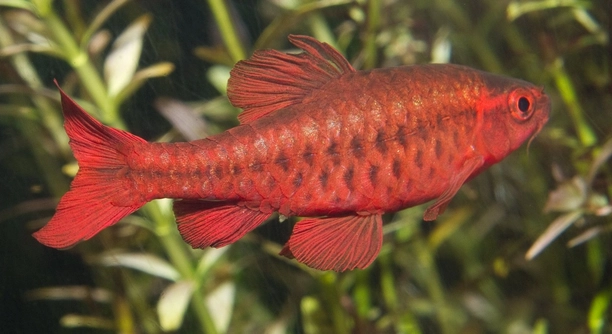
Cherry barbs are small, colorful fish that many aquarium enthusiasts enjoy keeping as pets. Their playful nature and vibrant hues make them a popular choice among fish keepers. But have you ever wondered if these little fish can be trained?
Cherry barbs are unlikely to be trained in the traditional sense using a laser pointer. While they may react to the movement of the light, they do not have the cognitive ability to follow commands or perform tasks.
Understanding the limitations of cherry barbs’ behavior can help set realistic expectations for training techniques. There are still fun and engaging ways to interact with these fish that you can explore further.
Why Cherry Barbs Are Not Easily Trainable
Cherry barbs, like most fish, have a limited capacity for learning. Their brains are much smaller compared to mammals or birds, which means they lack the complex problem-solving skills needed for traditional training. While fish can be conditioned to associate certain stimuli with rewards, like food, they don’t possess the ability to learn complex tasks or respond to cues the way other animals do. Unlike dogs or parrots, which can be taught to perform tricks or follow commands, cherry barbs have instincts driven by their basic needs, such as finding food, shelter, and mates. This means that while they may seem responsive to a laser pointer, it’s likely more of a reflex or curiosity than a learned behavior.
Cherry barbs respond to certain stimuli, but they cannot be trained with a laser pointer in the traditional sense. They lack the necessary cognitive function for this type of training.
However, you can engage cherry barbs by creating a stimulating environment. They can be enticed by food or other movement, but it’s important to understand that these responses are instinctual, not learned behaviors. They may swim after the light because it’s a moving object, but they are not connecting it to a reward system. Instead, cherry barbs thrive when they feel safe and comfortable in their tank. It’s best to focus on providing them with enriching conditions like plants, hiding spots, and other tank mates. This creates a more fulfilling life for them and encourages natural behaviors, like exploring and foraging, that can keep them active and healthy.
What Affects Cherry Barb Behavior?
Environmental factors have a large impact on how your cherry barbs behave. When they are kept in an environment that mirrors their natural habitat, they tend to be more active and social. The right water temperature, clean water, and appropriate tank size are all essential for their well-being. If cherry barbs feel stressed due to poor water conditions or overcrowding, their behavior can become erratic, and they might appear less responsive to any stimuli. Maintaining a stable and healthy environment should be your priority when caring for them.
Providing them with the proper conditions for mental stimulation can be more rewarding than attempting to train them. Introducing plants or decorations that they can interact with creates a space where they feel secure. A well-maintained aquarium can also mimic the challenges they would encounter in the wild, encouraging natural foraging and social behaviors. This approach enhances their quality of life, ensuring that your cherry barbs remain vibrant and healthy.
Can Cherry Barbs Be Trained to Follow the Light?
Cherry barbs may show interest in a laser pointer due to their curiosity. However, they don’t have the mental capacity to be trained to follow it. Their reactions are more of a reflex than learned behavior, making the idea of training them with a laser pointer unrealistic.
Unlike animals with higher cognitive abilities, cherry barbs are driven by instinct. The moving light might catch their attention, but they do not have the same brain structure needed to associate the light with a reward. They are more likely to chase it because it’s a fast-moving object, not because they’ve learned to respond to it. Their behavior is more about exploring their environment than following commands.
Trying to train cherry barbs with a laser pointer may not yield results. While it can be amusing to watch them chase the light, it’s not a form of real training. Focusing on their natural behaviors, such as providing an environment rich in stimuli, will be more beneficial for both you and the fish. This will help them remain active and happy.
Understanding Cherry Barb Behavior and Instincts
Cherry barbs rely heavily on their instincts. They are not capable of the complex reasoning seen in higher animals, which makes them difficult to train. Their actions are mostly based on food or environmental changes rather than intentional learned responses. They swim, hide, or explore because these are survival mechanisms, not learned tricks.
Even though they react to things like movement or changes in their surroundings, it’s more about their natural instincts kicking in. They might be drawn to new things in their environment because they’re curious or because they associate certain movements with food. However, this isn’t an example of training; it’s simply an instinctive reaction to external stimuli. Understanding this can help create a more enjoyable environment for both you and your fish, without setting unrealistic expectations for their behavior.
The Best Way to Stimulate Cherry Barbs
Providing cherry barbs with an engaging environment is key to keeping them active. Instead of trying to train them, focus on enhancing their tank with plants, hiding spots, and other fish. This will give them a space to explore and behave naturally.
By introducing plants and decorations, cherry barbs can interact and forage like they would in the wild. The more complex the environment, the more they’ll engage in natural behaviors. Adding tank mates that are peaceful and active can also encourage social interactions, benefiting their overall well-being. A stimulating environment will lead to happier, healthier fish.
How Environment Impacts Cherry Barb Health
The water quality and temperature are essential to cherry barbs’ health. Keeping the water at the right temperature and maintaining clean conditions allows them to stay active and vibrant. Poor water quality can cause stress, leading to lethargy or other health issues. This impacts their behavior and overall activity levels.
A well-maintained tank not only supports cherry barbs’ physical health but also keeps their behavior intact. Stress from poor water conditions can lead to uncharacteristic swimming patterns or even aggression. Ensure the water is regularly tested and cleaned to keep the tank stable. Consistent care will keep your fish healthy and lively.
The Role of Diet in Cherry Barb Behavior
Cherry barbs need a balanced diet to maintain their energy levels and vibrant colors. Offering a variety of high-quality food, like flakes, pellets, and occasional live food, will keep them healthy and active. A well-fed fish is more likely to explore its surroundings.
Feeding them the right nutrients supports their immune system and ensures they have the energy for natural behaviors like exploring their tank or interacting with other fish. A poor diet can lead to lethargy and poor health, which can affect their activity and overall happiness. It’s important to feed them properly for both physical and mental well-being.
FAQ
Can cherry barbs live with other fish?
Yes, cherry barbs can live with many other peaceful fish. They are generally non-aggressive and do well in community tanks. It’s best to pair them with similarly calm species like tetras, guppies, or mollies. Avoid larger or more aggressive fish that might bully them. Having tank mates that aren’t too territorial will help keep your cherry barbs calm and healthy. If you choose tank mates that are also active swimmers, your cherry barbs will feel more comfortable and less stressed.
What is the ideal water temperature for cherry barbs?
Cherry barbs thrive in water temperatures between 72°F and 79°F (22°C to 26°C). Keeping the water within this range helps them stay active and healthy. If the temperature fluctuates too much, it can cause stress and affect their behavior and immune system. It’s important to monitor the tank temperature regularly with a reliable thermometer. Ensure that any water changes are done with water at the same temperature to avoid sudden shocks.
How do I know if my cherry barbs are stressed?
Stressed cherry barbs may display signs like erratic swimming, hiding more than usual, or becoming lethargic. They may also stop eating or show a lack of interest in their environment. Stress can result from poor water quality, overcrowding, or incompatible tank mates. It’s essential to keep the tank clean, maintain proper water conditions, and avoid overcrowding. If your cherry barbs are showing signs of stress, check the water parameters and make sure everything is within the correct range. Reducing stress will improve their behavior and well-being.
Can cherry barbs breed in a tank?
Yes, cherry barbs can breed in a well-maintained tank. To encourage breeding, make sure the tank has plenty of plants for the eggs to attach to. The water should be slightly acidic, with a pH between 6.0 and 7.5. Female cherry barbs will lay eggs on plant leaves, and the males will fertilize them. After spawning, it’s a good idea to remove the adults to prevent them from eating the eggs. The fry are small and will need fine foods like infusoria or liquid fry food to grow successfully.
How long do cherry barbs live?
Cherry barbs generally live for about 3 to 5 years if properly cared for. Their lifespan can vary depending on water quality, diet, and tank conditions. Providing a stable, clean environment, feeding them a balanced diet, and avoiding stressful situations will help them live longer. If you notice any signs of illness or stress, addressing the issue quickly can help extend their lifespan.
What do cherry barbs eat?
Cherry barbs are omnivores and enjoy a varied diet. They will happily eat flakes, pellets, and live food such as brine shrimp or bloodworms. You can also offer frozen foods as a treat. A well-rounded diet that includes plant matter like algae and vegetable-based foods will keep them healthy. Be careful not to overfeed, as uneaten food can affect the water quality and lead to health issues.
Are cherry barbs easy to care for?
Yes, cherry barbs are relatively easy to care for. They are hardy fish that don’t require too much maintenance as long as their basic needs are met. Regular water changes, proper filtration, and maintaining stable tank conditions are the key to keeping them healthy. They are also not too demanding when it comes to diet and can adapt well to various environments, making them ideal for beginners.
Do cherry barbs need a lot of space?
Cherry barbs do well in tanks of at least 20 gallons, with enough room to swim and explore. While they are not large fish, they are active and need enough space to feel comfortable. Overcrowding can lead to stress and aggression, so make sure to provide enough space for your cherry barbs to thrive. The tank should also be properly filtered to maintain water quality.
Can cherry barbs change color?
Yes, cherry barbs can change their color slightly depending on their mood, health, and the environment. Male cherry barbs are typically more vibrant in color, especially during breeding season, when their red coloration becomes more intense. Stress, poor water quality, or an improper diet can cause their colors to dull. Keeping their environment stress-free and providing a balanced diet can help maintain their bright colors.
How do I prevent disease in cherry barbs?
Preventing disease in cherry barbs starts with maintaining good water quality. Regular water changes, proper filtration, and avoiding overcrowding will help prevent most common diseases. Quarantining new fish before adding them to the tank can also reduce the risk of introducing diseases. It’s essential to monitor your fish for any signs of illness, such as lethargy, loss of appetite, or unusual behavior, and address any health concerns promptly.
Final Thoughts
Cherry barbs are hardy and peaceful fish, making them a great option for aquarium enthusiasts of all levels. While they are not trainable in the way some other pets are, they still offer plenty of enjoyment through their natural behaviors and vibrant colors. Providing them with a stimulating and comfortable environment is key to keeping them happy and healthy. They respond well to tank setups that include plants, hiding spots, and space to swim freely. By focusing on their basic needs, you can create an environment that helps them thrive.
Although cherry barbs can’t be trained to follow a laser pointer or perform specific tasks, they do benefit from an environment that encourages exploration and natural interactions. Watching them swim through plants or interact with tank mates can be just as rewarding as training them. It’s important to remember that their behaviors are driven by instinct, not learned responses. This doesn’t mean they lack personality, but rather that their actions are driven by basic survival instincts, curiosity, and environmental factors. Understanding these behaviors allows you to interact with them in a way that is both enjoyable and respectful of their natural needs.
Caring for cherry barbs isn’t complicated, but it does require attention to their living conditions. Regular water changes, maintaining proper tank temperature, and offering a varied diet are all important parts of keeping them healthy. While they don’t require excessive care, their well-being is closely tied to the quality of their environment. When kept in a stress-free, well-maintained tank, cherry barbs can live long, vibrant lives, adding beauty and movement to any aquarium.

Hello,
If you enjoy the content that we create, please consider saying a "Thank You!" by leaving a tip.
Every little bit helps us continue crafting quality advice that supports the health, happiness, and well-being of pets around the world, for pets of all shapes, sizes, and species.
We really appreciate the kindness and support that you show us!