
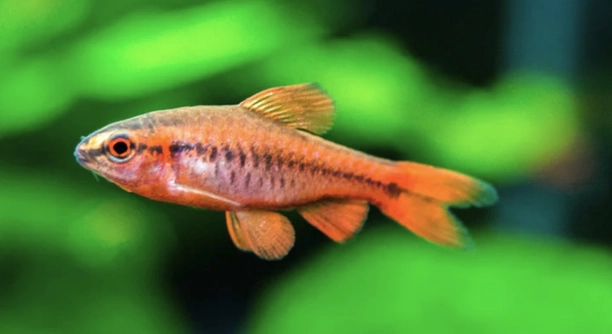
Cherry Barbs are popular fish in the aquarium hobby, admired for their bright colors and peaceful nature. Keeping them healthy requires understanding their needs, including how they react to new water sources. This article will help you learn more.
Cherry Barbs can adapt to new water sources if the changes are gradual and the water parameters are similar to their natural environment. Sudden shifts in pH, hardness, or temperature may cause stress and harm to the fish.
Managing water conditions effectively is key to ensuring Cherry Barbs thrive. Proper adjustments can help them adapt and remain healthy in a new environment.
Understanding Cherry Barbs and Their Natural Habitat
Cherry Barbs are native to slow-moving rivers and streams in Sri Lanka. In their natural environment, the water is typically soft and slightly acidic, with temperatures ranging from 72°F to 79°F. They thrive in these stable conditions, and the water quality plays a vital role in their well-being. If you want to keep them healthy, it’s important to replicate these conditions as closely as possible in your aquarium. This can sometimes be challenging when introducing new water sources, as even minor changes can affect their comfort and health. It’s best to monitor water parameters regularly and adjust slowly to prevent stress.
The quality of water affects Cherry Barbs directly. Their natural habitat has specific requirements for things like pH levels and temperature, so any significant deviation can lead to problems.
While Cherry Barbs can adjust to new water sources over time, they are sensitive to sudden shifts. Gradual changes in pH, hardness, and temperature help avoid shocking them, giving them the best chance to adapt without stress. Keeping these factors stable is essential for their long-term health.
Water Parameters and How They Impact Adaptation
Cherry Barbs are quite sensitive to water changes. The pH level should remain between 6.5 and 7.5, with soft to moderately hard water being ideal. Changes in hardness or pH can cause discomfort or even harm to your fish.
When introducing new water to your tank, always ensure the parameters match those of your existing water. Using a water conditioner can help make transitions smoother and safer. Test the water beforehand, paying attention to pH, hardness, and temperature. Sudden shifts can lead to stress and a weakened immune system, making them more susceptible to disease.
One of the most important aspects of keeping Cherry Barbs healthy is to avoid drastic changes. A stable, clean environment allows them to thrive, and they will be less likely to experience negative effects when the water quality is consistent. If you need to change the water source, do it gradually, making small adjustments over time. Keeping a close eye on the water conditions will prevent problems before they arise and ensure the well-being of your fish.
Temperature and Its Role in Adaptation
Maintaining a stable water temperature between 72°F and 79°F is essential for Cherry Barbs. A sudden shift in temperature can cause stress and weaken their immune systems.
When you add new water to your aquarium, always check the temperature to ensure it matches the existing water. If there’s a noticeable difference, you risk shocking the fish. A gradual increase or decrease in temperature over a few hours is the best way to avoid this. Adding water slowly will help maintain a comfortable transition.
Cherry Barbs, like many fish, are sensitive to temperature changes, and consistency is key. If you need to alter the temperature of the water, doing it gradually over several hours will help them adapt more easily. Always use a thermometer to monitor the water temperature. If the temperature fluctuates too quickly, it may result in stress, illness, or even death. The most important thing to remember is that slow, steady changes are ideal for their well-being.
pH and Hardness: The Right Balance
Cherry Barbs prefer slightly acidic to neutral water, with a pH of around 6.5 to 7.5. The hardness should be soft to moderate, as they are not accustomed to extreme conditions.
Test your water’s pH and hardness regularly. Adding new water that is too hard or too alkaline can stress your Cherry Barbs. Make sure the new water matches the tank’s parameters as closely as possible. If the pH is too high or low, use water conditioners to adjust it before adding it to the tank.
To keep Cherry Barbs comfortable, it’s crucial to understand the chemistry of your aquarium’s water. They can adjust to new water sources over time, but the transition must be slow and carefully monitored. Use a pH meter or test kit regularly to check for any drastic changes. If the water’s hardness is too high, consider using a water softener or mixing in purified water. Just remember to make gradual adjustments, ensuring the tank’s conditions remain within their preferred range.
Water Filtration and Clarity
Good water filtration helps maintain stable conditions in your tank. Clean water is essential for Cherry Barbs to adapt and thrive.
Ensure your filtration system is working effectively to remove waste and keep the water clear. A high-quality filter will help maintain the right balance of nutrients, oxygen, and cleanliness, reducing the risk of disease.
A good filtration system helps keep the water free of harmful bacteria and waste that could harm Cherry Barbs. Ensure the filter is appropriately sized for your tank. If the water appears cloudy or has an unpleasant smell, it may be time to clean or replace your filter. Regular maintenance of the filtration system will keep your aquarium’s environment stable.
Aquarium Size and Water Volume
The size of your aquarium is important for Cherry Barbs. A larger tank offers more stable water conditions, which makes it easier for them to adapt.
A tank of at least 20 gallons is ideal for a small group of Cherry Barbs. This gives them plenty of space to swim and keeps the water more stable. A larger tank also allows for more efficient filtration, reducing the need for constant water changes.
With a larger tank, water changes can be done gradually without stressing the fish. A more significant volume of water provides a buffer for minor fluctuations in temperature, pH, and hardness. This stability helps Cherry Barbs remain healthy and comfortable, even when you make adjustments to the water. The size of the aquarium is a key factor in creating a thriving environment for these delicate fish.
Introducing New Water Slowly
When introducing new water, always take your time. A slow process reduces the chances of shocking your Cherry Barbs.
Add water gradually, over several hours or days, depending on the changes you’re making. Sudden changes in water volume, temperature, or chemistry can stress the fish, leading to health problems.
FAQ
Can Cherry Barbs survive in tap water?
Yes, Cherry Barbs can survive in tap water, but it depends on the water quality in your area. Tap water often contains chlorine or chloramine, which can harm fish. It’s important to treat the water with a dechlorinator before adding it to your tank. Additionally, tap water may vary in pH and hardness, so it’s a good idea to test these parameters to ensure they match the ideal conditions for Cherry Barbs.
How do I adjust water parameters for Cherry Barbs?
To adjust water parameters, you can use specific products like pH buffers or water conditioners. If the pH is too high or low, you can use pH-reducing or pH-raising products. To soften the water, use a water softener, or if the water is too soft, consider adding mineral salts to raise hardness. Always make changes gradually to avoid stressing your Cherry Barbs.
What should I do if the water temperature is too high for Cherry Barbs?
If the water temperature is too high, try to cool it down slowly. You can do this by placing the aquarium in a cooler area, adding ice cubes wrapped in a plastic bag, or using a fan over the water’s surface. Avoid large temperature drops, as this can stress the fish. Monitor the temperature regularly with a thermometer to ensure it stays within the ideal range of 72°F to 79°F.
How do I prevent sudden changes in water conditions?
To prevent sudden changes, keep the water conditions consistent. This means regular testing of pH, temperature, and hardness, as well as maintaining a good filtration system. If you need to add new water, do it gradually and match the parameters closely to what’s already in the tank. Always monitor the fish after changes to see how they react.
Can Cherry Barbs adapt to hard water?
Cherry Barbs prefer soft to moderately hard water. If your water is too hard, it can cause stress and impact their health over time. While they can survive in hard water, it’s better to adjust the water hardness to match their needs. You can use water conditioners or a reverse osmosis filter to soften the water gradually.
Is it necessary to cycle the tank before adding Cherry Barbs?
Yes, cycling the tank before adding Cherry Barbs is essential. Cycling establishes beneficial bacteria that help break down toxins like ammonia and nitrites, creating a safer environment for your fish. It usually takes 3 to 6 weeks to properly cycle a tank, so be patient and test the water regularly. Adding fish before the tank is cycled can lead to dangerous spikes in toxins, putting your Cherry Barbs at risk.
How often should I change the water for Cherry Barbs?
Cherry Barbs do best with regular water changes, ideally around 25-30% of the tank volume every two weeks. This helps maintain water quality and removes waste products that could harm the fish. If the water looks dirty or has high levels of ammonia or nitrites, more frequent changes may be needed. Always match the temperature and pH of the new water to the tank’s conditions.
Can Cherry Barbs live with other fish?
Yes, Cherry Barbs are peaceful and can live with many other species. They do well in community tanks with other non-aggressive fish of similar size. Avoid aggressive species or those that might bully them. Ideal tankmates include small tetras, guppies, and other peaceful barbs. Always ensure that the tank size is large enough to accommodate all the fish comfortably.
How do I know if my Cherry Barbs are stressed?
Signs of stress in Cherry Barbs include hiding, rapid gill movement, lethargy, or lack of appetite. They may also display abnormal swimming patterns, such as staying at the surface or near the bottom of the tank. Stress can be caused by poor water conditions, sudden temperature changes, or aggressive tankmates. If you notice these signs, check the water parameters and adjust as needed.
What is the ideal tank size for Cherry Barbs?
A tank of at least 20 gallons is recommended for a small group of Cherry Barbs. This provides enough space for them to swim freely and helps maintain stable water conditions. Larger tanks are even better, as they offer more room for the fish to thrive and allow for better filtration and water quality management.
Can Cherry Barbs adapt to brackish water?
Cherry Barbs are freshwater fish and do not do well in brackish water. They prefer soft, slightly acidic to neutral freshwater environments. If you are planning to keep other species that require brackish water, it’s best to keep Cherry Barbs in a separate tank to ensure they remain healthy.
Why are my Cherry Barbs not eating?
If your Cherry Barbs are not eating, it could be due to water quality issues, stress, or illness. First, check the water parameters to ensure everything is within the correct range. If the water is fine, consider the temperature and other fish in the tank. Illness or injury can also cause a lack of appetite. If the problem persists, consider consulting an aquarium professional for advice.
How can I help my Cherry Barbs adjust to a new tank?
To help Cherry Barbs adjust to a new tank, ensure the water parameters match the conditions they were used to. Introduce the fish slowly, and give them time to explore their new environment. Adding plants or hiding spots can help reduce stress. Monitor them closely for any signs of discomfort or stress, and make adjustments as needed.
Can I keep Cherry Barbs in a tank with live plants?
Yes, Cherry Barbs do well in tanks with live plants. They enjoy having plants for shelter and grazing. Plants help maintain good water quality by absorbing excess nutrients. Just make sure the plants are not too large or aggressive, as this can reduce the space your Cherry Barbs have to swim.
Final Thoughts
Cherry Barbs are resilient and adaptable fish, but they require careful attention to their environment to stay healthy. One of the most important factors is maintaining stable water conditions. Sudden changes in temperature, pH, or hardness can cause stress and may lead to health problems. It’s crucial to monitor these parameters regularly and make gradual adjustments when introducing new water. With a little effort, you can provide a thriving environment for your Cherry Barbs, allowing them to adjust and live comfortably in your aquarium.
While Cherry Barbs can adapt to new water sources, they are sensitive to extreme changes. They thrive in soft, slightly acidic to neutral water with temperatures between 72°F and 79°F. When adding new water, make sure its parameters closely match those of your tank. This will reduce the risk of stress and ensure that your Cherry Barbs remain healthy. It’s also essential to have a good filtration system in place to maintain water quality and provide a clean environment for the fish to live in. Regular water changes and proper maintenance will help keep your tank stable and free from harmful toxins.
Overall, keeping Cherry Barbs is a rewarding experience if you pay attention to their specific needs. Their bright colors and peaceful nature make them a great addition to any tank. By understanding their requirements and making adjustments as needed, you can create a comfortable home for these beautiful fish. Whether you’re adding new water or adjusting their environment, always take your time and make changes slowly. This will help ensure that your Cherry Barbs live long, healthy lives in your aquarium.

Hello,
If you enjoy the content that we create, please consider saying a "Thank You!" by leaving a tip.
Every little bit helps us continue crafting quality advice that supports the health, happiness, and well-being of pets around the world, for pets of all shapes, sizes, and species.
We really appreciate the kindness and support that you show us!