
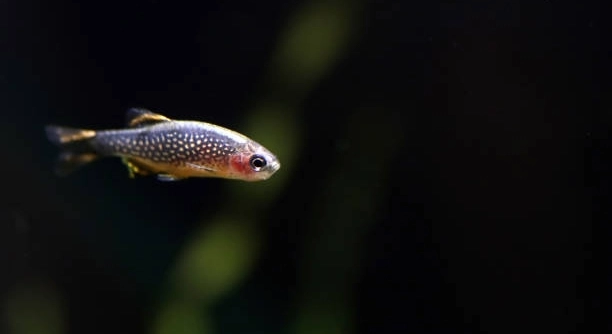
Celestial Pearl Danios are small, peaceful fish that add vibrant colors to any aquarium. They are lively swimmers and can be a joy to watch, especially when introduced to a calm and steady feeding routine.
Celestial Pearl Danios can be hand-fed with proper care and patience. They respond well to consistent feeding in a gentle manner, and using small, manageable food portions ensures their safety while encouraging trust and interaction with their owner.
Learning to hand-feed these fish can improve their comfort around humans and enhance the overall aquarium experience for both the fish and caretaker.
Preparing Your Aquarium for Hand-Feeding
Before attempting to hand-feed Celestial Pearl Danios, ensure the tank is calm and secure. Remove sudden distractions and provide hiding spots to make the fish feel safe. A clean tank with stable water parameters supports their willingness to approach. I always find that a routine helps them recognize feeding time. Start with small portions of high-quality flake or micro-pellets. This allows the fish to acclimate to food offered directly by hand. Observe their behavior closely; some fish may initially dart away but gradually become comfortable. Maintaining a consistent temperature and gentle lighting also contributes to their sense of security. Avoid overcrowding the tank, as this can create competition and stress, making hand-feeding difficult. Over a few days, introduce your hand slowly into the water, keeping movements minimal. With patience, the fish begin associating your presence with food, increasing their confidence to feed directly from your hand.
Start slow and steady to build trust, and always keep portions small to prevent overfeeding.
Patience is essential when hand-feeding. Avoid sudden movements and maintain a calm routine. Over time, the fish will recognize your hand as a safe source of food, allowing for closer interaction and a more engaging feeding experience.
Techniques for Hand-Feeding Celestial Pearl Danios
Place your hand just below the water surface, allowing the fish to approach naturally. Avoid forcing contact, as this can scare them away. Start with a few tiny flakes or micro-pellets, letting them nibble at their own pace. Observe their reactions carefully; sudden movements may make them retreat. It is helpful to repeat the process at the same time daily, as fish adapt to patterns and become more confident. Some fish may initially stay cautious, but consistent calm presence encourages trust. Gradually, you can move your hand slightly closer to encourage them to feed directly from your palm. Always ensure food is easy to grasp and non-toxic, as safety is paramount. Overfeeding can stress the fish or pollute the water, so maintain moderation. I have noticed that using fingertips rather than a flat palm helps the fish focus on the food rather than the hand itself. Eventually, this method fosters both trust and interaction, making feeding time more rewarding.
Hand-feeding requires daily practice, attention, and consistency, which helps the fish become comfortable and confident.
With daily practice, the fish begin to anticipate feeding and swim toward your hand readily. Using small, manageable food items prevents waste and stress while maintaining water quality. Observing their behavior helps fine-tune your approach, such as adjusting hand position or portion size. Consistency in timing and environment builds trust and encourages regular interaction. Over time, the fish may recognize individual movements and respond quickly, creating a smooth hand-feeding routine. This technique can strengthen your bond with the fish and promote a calmer, more responsive aquarium environment. Hand-feeding also allows closer observation of health and activity, providing early signs of any issues. Remaining patient and gentle ensures that the fish enjoy the process, while you gain a satisfying, interactive experience. Maintaining clean water, balanced nutrition, and calm surroundings are essential for successful hand-feeding and long-term well-being of Celestial Pearl Danios.
Common Challenges When Hand-Feeding
Some Celestial Pearl Danios may initially avoid your hand, moving quickly or hiding. Overcrowding can increase competition for food, making shy fish hesitant. Inconsistent feeding schedules also reduce their willingness to approach, so patience and routine are essential.
When hand-feeding, small portions are key to prevent overfeeding or water pollution. Some fish may nibble timidly at first, requiring multiple sessions to build trust. Avoid sudden movements that may startle them, and maintain a calm presence in the tank. Using consistent timing and gentle motions helps fish associate your hand with food, improving interaction. I often find that giving them time to settle before feeding makes a noticeable difference in confidence.
Water quality is another factor affecting hand-feeding. Dirty water or sudden changes in temperature or pH can make fish stressed and reluctant to eat from your hand. A stable environment, along with minimal noise and activity around the tank, supports their willingness to approach. I make it a habit to observe them closely during feeding, ensuring each fish gets its share without creating stress. Gradual patience allows even the shyest fish to gain comfort and feed confidently over time.
Tips for Successful Hand-Feeding
Start with short sessions, keeping your hand in the water for only a few minutes. Avoid forcing interaction, letting fish approach at their own pace.
Maintaining a calm, quiet environment is crucial for success. Frequent disturbances or bright lights can scare the fish away, making hand-feeding more difficult. I prefer feeding at the same time each day, allowing the fish to anticipate and recognize the routine. Small, easy-to-grasp food items work best, and I always remove excess food afterward to maintain water quality. Observing their behavior helps determine the ideal position of your hand and portion size, making the process smoother.
Consistency and patience are key for long-term results. Regular, gentle hand-feeding sessions encourage trust, making the fish more comfortable and responsive. Over time, fish learn to associate your presence with food, improving interaction and reducing stress. Adjusting hand placement gradually helps even shy fish gain confidence, while maintaining water quality ensures their health. I have found that the combination of calm movements, appropriate food size, and predictable routines produces the best results, creating a positive feeding experience for both the fish and caretaker.
Signs Your Fish Are Ready
Fish that swim toward your hand without hesitation show comfort and trust. They nibble gently and maintain steady movements around your hand, indicating readiness for direct feeding.
A willingness to approach consistently during feeding times is another clear sign. If the fish remain calm and focused on the food rather than darting away, it shows they have adapted to the routine and feel safe. Patience is essential, as some may take longer to reach this stage.
Choosing the Right Food
Small flakes, micro-pellets, and finely crushed freeze-dried options are ideal for hand-feeding Celestial Pearl Danios. Avoid large or hard pieces that may be difficult for them to consume, as this can discourage feeding and create frustration.
A balanced diet supports both health and interaction. Using high-quality, nutrient-rich food encourages fish to respond positively during hand-feeding sessions. I have found that varying the food slightly keeps them interested while maintaining nutritional balance. Ensuring food is small enough to fit comfortably in their mouths improves success and prevents accidental ingestion of excess water or debris.
Maintaining Patience
Progress may be slow, and not all fish will immediately feed from your hand. Consistency and gentle movements are essential to build trust over time.
Avoiding Overfeeding
Excess food can pollute the tank and stress the fish. Limit hand-fed portions and remove leftovers promptly to maintain water quality and fish health.
FAQ
Can Celestial Pearl Danios eat directly from my hand?
Yes, they can, but it requires patience and consistency. Start with small, manageable portions and allow the fish to approach naturally. Sudden movements or forcing food can scare them away. Over time, most fish learn to associate your hand with food and respond positively. I’ve noticed that keeping feeding sessions calm and short encourages the shyest fish to nibble from my fingers without hesitation.
How long does it take for them to trust hand-feeding?
Trust varies between individual fish. Some may start feeding within a few days, while others may take several weeks. Maintaining a consistent schedule, gentle movements, and small food portions helps speed up the process. Observing their behavior daily provides cues about their comfort level. If a fish retreats, it’s important not to force interaction, as patience is more effective than pressure. I usually notice gradual improvement in their willingness, which makes feeding more rewarding over time.
What type of food is best for hand-feeding?
Small flakes, micro-pellets, and finely crushed freeze-dried foods work best. Avoid large or hard foods, as these can be difficult for the fish to handle. High-quality, nutrient-rich options ensure their health and encourage engagement. Using food that floats or sinks slowly gives them time to approach and eat comfortably. I find that alternating small portions of flakes and micro-pellets keeps them interested while providing a balanced diet. Proper food size is essential to prevent frustration or overfeeding.
Can I overfeed my Danios while hand-feeding?
Yes, overfeeding is possible and can harm the fish or reduce water quality. Only offer small portions that the fish can consume in a few minutes. Remove uneaten food promptly to prevent decay. Monitoring the number of bites and adjusting portion size is important. I usually count small pinches or pellets to ensure I do not give too much. Keeping feeding sessions controlled helps maintain their health and keeps the tank clean.
What if some fish refuse to eat from my hand?
It’s normal for some fish to be shy. Continue with gentle, consistent sessions and give them time. Avoid forcing interaction. Some fish may take weeks to feel comfortable. I usually start with more confident individuals, letting the shy ones observe before they try themselves. Gradual exposure helps them gain trust without stress. It’s important to respect their pace, as forcing them can make progress slower or cause fear.
Can hand-feeding help with monitoring their health?
Yes, hand-feeding allows close observation. You can notice changes in appetite, swimming behavior, or appearance. Early detection of illness or stress is easier when fish are comfortable approaching your hand. I often spot minor issues during feeding that might otherwise go unnoticed, such as fin damage or unusual movements. Regular hand-feeding sessions create opportunities to monitor their condition in a calm, controlled way.
Is there a best time of day for hand-feeding?
Feeding at the same time daily helps establish a routine. Fish learn to expect food and respond more quickly. Morning or early evening works well, depending on your schedule. I have found that consistent timing improves participation and reduces stress. Avoid periods of high activity around the tank, as noise or movement can make fish hesitant to approach. Consistency and calm surroundings are key.
Should I use bare hands or a feeding tool?
Bare hands work best for developing trust, but some people use tweezers for cautious fish. Using your hand directly helps them associate you with food and encourages interaction. I prefer using fingertips, as it gives precise control over portion size and placement. Tools can help with extremely shy fish but should be phased out as comfort improves. Gradual exposure ensures the fish feel safe and confident.
Can hand-feeding replace regular feeding?
No, hand-feeding should supplement, not replace, regular feeding. Fish need a consistent diet to stay healthy. Hand-feeding works best as a short, interactive session alongside normal tank feeding routines. I usually combine daily hand-feeding with scheduled tank feeding to balance nutrition and engagement. This method keeps fish healthy while encouraging positive interaction.
What if water quality drops due to hand-feeding?
Uneaten food can degrade water quality. Always offer small portions and remove leftovers immediately. Regular water testing and partial water changes help maintain a clean environment. I make it a habit to check for excess food after hand-feeding to prevent stress or illness. Maintaining water stability is crucial for both fish health and successful hand-feeding.
How do I encourage shy fish to approach?
Start by allowing them to watch others feed from your hand. Place your hand in the water without food to let them get used to it. Gradually introduce food, keeping movements minimal. Patience and consistency are essential. I often leave my hand still in the tank for a few minutes before adding food, giving shy fish confidence to approach at their own pace.
Can hand-feeding be stressful for the fish?
Yes, if done too quickly or aggressively. Keep sessions short, movements gentle, and food small. Overly frequent or large portions may create stress. I always observe their reactions and stop if they appear nervous. Stress-free feeding improves trust and encourages consistent engagement.
Is it safe to hand-feed if the tank has plants or decorations?
Yes, but ensure food does not get trapped in plants or hard-to-reach areas. Floating food or careful placement near the open water works best. I usually hand-feed near open spots to make access easier and reduce competition. Proper placement minimizes waste and encourages a smoother feeding process.
How can I tell if they are enjoying hand-feeding?
Fish that swim confidently toward your hand, nibble gently, and remain calm are comfortable. Sudden retreat or hesitation indicates stress. I often notice subtle signs, like staying close for repeated bites, which shows they feel safe. Observing behavior over time helps gauge their comfort and interaction level.
Are there long-term benefits to hand-feeding?
Yes, it strengthens trust and reduces fear of human presence. Fish become more responsive during feeding, allowing closer observation of health. Regular hand-feeding can improve engagement, reduce stress, and support overall wellbeing. I’ve found that consistent sessions create a calmer, more interactive aquarium environment.
This FAQ covers the essential considerations for safely and effectively hand-feeding Celestial Pearl Danios, providing guidance from patience and technique to food choice and tank maintenance.
Final Thoughts
Hand-feeding Celestial Pearl Danios can be a rewarding experience when approached with patience and consistency. These small, lively fish are naturally cautious, so expecting them to immediately eat from your hand is unrealistic. Starting slowly is essential. I have found that keeping sessions brief, calm, and gentle encourages the fish to approach without fear. Using small portions of food and introducing your hand gradually allows them to associate you with a safe source of nourishment. Over time, even the shyest individuals can gain confidence, making feeding an interactive and enjoyable part of maintaining the tank. Maintaining a stable environment with minimal disturbances supports this process, helping the fish feel secure and reducing the risk of stress. I often leave my hand in the tank for a few moments before offering food, which seems to make a noticeable difference in their willingness to feed.
Consistency is key when building trust with Celestial Pearl Danios. Feeding at the same time every day helps them recognize patterns, making them more comfortable and predictable in their behavior. I usually stick to morning or early evening sessions, which seems to fit their natural rhythm. Observing their reactions during these sessions provides valuable insight into their health and behavior. Small, high-quality flakes or micro-pellets work best for hand-feeding, as they are easy to consume and digest. Overfeeding should be avoided, as leftover food can degrade water quality and create stress in the tank. Monitoring the portions and adjusting based on their appetite ensures both proper nutrition and a cleaner tank environment. Even a few minutes each day can strengthen the connection between caretaker and fish, creating a more positive, interactive aquarium experience.
Hand-feeding is not only about giving food; it is a method to improve comfort and engagement in your tank. With patience, observation, and gentle handling, Celestial Pearl Danios can learn to approach your hand confidently. Shy individuals may take longer, but gradual exposure and consistent routines help them adapt. Maintaining water quality, a calm environment, and proper nutrition supports their overall health and willingness to interact. I have noticed that fish respond better when they are healthy, the tank is well-kept, and feeding sessions are predictable. Over time, hand-feeding becomes an enjoyable and interactive part of caring for these vibrant fish, enhancing both their wellbeing and your experience as a caretaker. With care and attention, this practice can strengthen trust, promote calm behavior, and allow a closer connection with the tank inhabitants, making feeding times both productive and satisfying.

Hello,
If you enjoy the content that we create, please consider saying a "Thank You!" by leaving a tip.
Every little bit helps us continue crafting quality advice that supports the health, happiness, and well-being of pets around the world, for pets of all shapes, sizes, and species.
We really appreciate the kindness and support that you show us!