
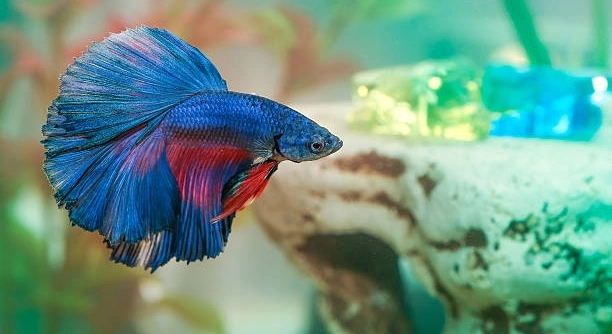
Betta fish are known for their vibrant colors and calm demeanor, making them a popular pet for many aquarium enthusiasts. However, as any pet owner knows, it’s important to consider their environment and well-being.
Betta fish can adjust to some loud noises, but prolonged exposure to high-volume sounds can cause stress and negatively affect their health. They are sensitive to changes in their environment, and loud sounds may disrupt their behavior or cause anxiety.
Understanding the effects of noise on Betta fish can help you create a peaceful and healthy environment for them. This article will help you navigate how to manage their habitat and reduce stressors like noise.
How Betta Fish Hear Sounds
Betta fish, like many aquatic animals, have a different way of perceiving sound. Instead of external ears like humans, they use their inner ear structures to detect vibrations in the water. These vibrations travel through the liquid, reaching their inner ear and allowing them to sense their surroundings. Though they can hear, their hearing range is limited compared to humans. While humans may hear sounds through air and water, Betta fish mainly pick up vibrations that travel through water. This means that louder sounds, like those from a stereo or TV, can cause them stress, even if they cannot hear every detail.
Their ability to detect sound is not about hearing music or voices but rather feeling vibrations caused by changes in the water. This sensitivity is crucial for their survival, as it helps them detect predators or potential mates. Unfortunately, loud noises that vibrate the water can confuse or overwhelm them, leading to behavioral changes.
Loud sounds might not immediately harm a Betta fish, but over time, constant noise can create stress. Stress can lower their immune system, making them more vulnerable to illness. Their natural behavior can also be disrupted, affecting how they eat, sleep, and interact with their environment.
The Impact of Noise on Betta Fish Behavior
Betta fish may not show visible signs of stress from noise right away. However, over time, prolonged exposure to loud sounds can alter their behavior significantly. They might become more aggressive, swim erratically, or hide more often. Stress affects their overall health, causing them to become weaker and more susceptible to illness. This can lead to a shorter lifespan and a decrease in the quality of their life.
In their natural habitats, Betta fish are accustomed to relatively quiet and calm surroundings. Sudden noises or vibrations in their environment can be unsettling, as they don’t know the source of the disturbance. In an aquarium, it’s best to keep noise levels minimal to prevent stress. For example, loud conversations, music, or noisy machinery near the tank should be avoided. Reducing noise helps maintain a calm environment where your Betta fish can thrive.
Betta fish are naturally curious and enjoy exploring their tanks, but loud noises can make them more cautious and hesitant to engage. It’s important to create a peaceful atmosphere, where they feel safe and comfortable, which promotes healthier behavior and better overall health.
How to Minimize Noise for Betta Fish
Minimizing noise for your Betta fish requires simple changes in your environment. Placing their tank in a quiet spot, away from loud activities, can help. Keep electronic devices like TVs, radios, and speakers at a reasonable distance.
It’s also helpful to limit high-pitched sounds, as Betta fish are more sensitive to those. Consider placing soft materials around their tank, like fabric or foam, to absorb sound. This helps reduce the overall noise level they experience. Avoid placing the tank near doors, windows, or areas with heavy foot traffic to prevent unexpected disruptions.
The type of tank equipment you use can also influence noise levels. Filters, air pumps, and heaters can create vibrations, so it’s worth investing in quieter models. Opt for a filter that has low noise output but still maintains proper water circulation. Keeping these factors in mind creates a peaceful space where your Betta fish can feel comfortable and safe.
Observing Betta Fish for Signs of Stress
Stress in Betta fish can be difficult to spot at first, but there are some clear signs to watch for. If your Betta starts swimming erratically or hides frequently, it might be a sign that the environment is too stressful for them. These changes can be a direct result of too much noise or other disruptions in their tank.
Other signs of stress include reduced appetite or reluctance to interact with their surroundings. If your Betta becomes overly aggressive or lethargic, it’s likely that the noise level is affecting their well-being. Prolonged stress can lead to more serious health issues, including weakened immune systems and a shorter lifespan.
It’s important to keep an eye on these signs and adjust their environment if needed. A quiet, stable environment promotes their overall health. Avoid any unnecessary noise and give them space to rest. Regularly check on their behavior to make sure they remain calm and comfortable.
Betta Fish and Tank Placement
The placement of your Betta fish’s tank plays a key role in minimizing noise exposure. Choose a quiet spot, away from high-traffic areas or places with constant movement. This ensures less disturbance and a calmer environment.
Avoid placing the tank near speakers, appliances, or electronics that can cause vibrations. Loud noises from TVs, radios, or even household appliances can increase stress. A quiet corner or room with less activity will keep your Betta more comfortable.
Adjusting Tank Equipment for Quietness
When selecting tank equipment, noise reduction should be a priority. Look for quieter filters, pumps, and heaters to reduce the overall noise in the tank. Many modern aquarium products are designed to be much quieter than older models.
In addition to upgrading equipment, consider using tank covers or foam mats to absorb vibrations. This simple step can make a noticeable difference in the sound levels your Betta experiences. Keeping noise at a minimum is essential for promoting a healthy, stress-free environment for your fish.
Signs That the Noise Is Affecting Your Betta
If your Betta shows signs of unusual behavior, such as hiding more than usual or swimming erratically, the noise could be a factor. Reduced activity and aggression are also red flags. It’s important to monitor these behaviors and address the noise issue promptly.
FAQ
Can Betta fish hear humans talking?
Betta fish can detect sound vibrations, but they do not hear like humans. They sense vibrations through the water, so while they may be aware of noise from human voices, they won’t recognize words or meanings. The vibrations from talking could still cause them stress if they are loud or continuous. If you often speak near their tank, it’s best to keep the volume low to avoid unsettling them.
How loud is too loud for Betta fish?
Betta fish can tolerate some background noise, but anything loud or continuous can lead to stress. Sounds that are sharp, like loud music, television, or sudden, loud noises, may make them uneasy. It’s not just the volume, but the frequency and duration of the noise that matters. Constant noise, even at lower levels, can disrupt their behavior. A good rule is to avoid anything that might cause vibrations in the tank.
Can Betta fish adapt to noisy environments?
Betta fish may adjust to mild levels of noise over time, but they can still feel stressed with constant disturbances. They are more adaptable to sounds that are not too sharp or loud. However, if the noise is frequent and intense, they may struggle to fully adjust, leading to anxiety and behavioral changes. It’s best to keep their environment as quiet and calm as possible.
Does music affect Betta fish?
Betta fish can hear sounds from music, but they don’t respond to it the way humans do. They may be disturbed by loud or rhythmic music, especially if it’s near the tank. Certain types of music or sounds might create vibrations that stress them out, which can affect their health. It’s better to avoid playing music at high volumes near their tank, but softer, more calming music may have less impact.
What are the signs that Betta fish are stressed from noise?
Signs of stress in Betta fish due to noise include erratic swimming, hiding more often, loss of appetite, or changes in behavior such as aggression or lethargy. If you notice that your Betta becomes overly active or restless when there is noise around, it’s a sign that the sound might be causing them distress. Constant hiding or avoiding certain areas of the tank can also indicate that they are feeling overwhelmed.
How can I reduce noise around my Betta fish tank?
Reducing noise around your Betta’s tank is simple. Place their tank in a quiet room with minimal foot traffic. Avoid positioning it near loud appliances or electronics that create vibrations. Additionally, using quieter equipment like filters and air pumps can also help reduce noise. If noise from outside is a concern, consider placing soft materials or foam around the tank to absorb sound. Reducing loud conversations near the tank also helps keep the environment calm.
Can Betta fish live in noisy households?
Betta fish can live in noisy households, but they will be less stressed if the noise levels are kept to a minimum. The key is to reduce the intensity and frequency of disruptive sounds. If you live in a busy household, try placing the tank in a quieter space, like a bedroom or office, where the Betta is less likely to be disturbed by loud noises.
Does the tank size affect Betta fish sensitivity to noise?
Tank size can affect how much noise a Betta fish is exposed to. Larger tanks might have more water movement, which can dampen vibrations from external noise. Smaller tanks, however, might be more sensitive to noise because they have less water to absorb the vibrations. Either way, minimizing loud sounds is essential for their well-being, regardless of the tank size.
How does stress from noise affect Betta fish health?
Noise-related stress can negatively affect a Betta fish’s immune system, leading to a weakened defense against illness. Prolonged stress can also cause behavioral issues, like aggression or lethargy, which can further harm their health. In extreme cases, constant stress from noise can shorten their lifespan. A calm environment is crucial for maintaining their physical and mental health.
Are Betta fish more sensitive to noise than other fish?
Betta fish are particularly sensitive to changes in their environment, including noise. While many fish can tolerate some noise, Betta fish seem to be more reactive. Their natural habitat in shallow waters makes them more attuned to vibrations in the water. While they can adapt to some noise, they remain more sensitive to disturbances than other fish species.
Final Thoughts
Betta fish are sensitive creatures, and noise can have a noticeable impact on their well-being. Although they do not hear the same way humans do, they can detect vibrations in the water, which can stress them out if the noise is too loud or constant. Even if the sound isn’t disruptive to us, it can still affect their behavior and overall health. When they are exposed to loud noises for long periods, it can lead to stress, which weakens their immune system and may cause other problems, like reduced activity, aggression, or loss of appetite.
To ensure your Betta fish stays healthy and happy, it’s important to create a peaceful environment. Placing their tank in a quiet area of your home can make a big difference. Avoid putting their tank near sources of loud noise like TVs, speakers, or heavy foot traffic. You should also consider using quieter aquarium equipment. Many modern filters and pumps are designed to operate with minimal noise, which can help reduce vibrations in the tank. Small changes, such as placing soft materials around the tank to absorb sound, can also help create a calmer space for your Betta.
Finally, keep an eye on your Betta’s behavior. If you notice any signs of stress, like hiding, erratic swimming, or aggression, it’s important to check for potential sources of noise. Managing noise levels is a simple but effective way to improve the quality of life for your Betta fish. By providing a quieter, more stable environment, you are helping your fish live a longer, healthier life. Being mindful of the impact of noise on your Betta’s health will create a more comfortable home for both you and your pet.

Hello,
If you enjoy the content that we create, please consider saying a "Thank You!" by leaving a tip.
Every little bit helps us continue crafting quality advice that supports the health, happiness, and well-being of pets around the world, for pets of all shapes, sizes, and species.
We really appreciate the kindness and support that you show us!