
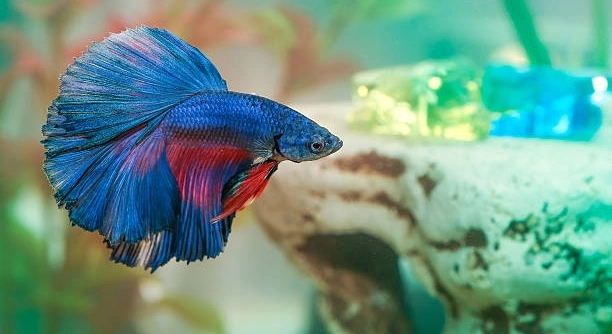
Betta fish are popular pets known for their vibrant colors and graceful swimming. Their care involves many aspects, including the importance of lighting. One question often arises: Can Betta fish adapt to different light levels in their environment?
Betta fish can adapt to different light levels, but they generally thrive with moderate lighting. Too much or too little light can affect their health and behavior. It’s important to maintain a consistent light schedule to ensure their well-being.
The right lighting plays a crucial role in your Betta’s overall health. Understanding how light affects them can help create a comfortable environment for your fish.
How Light Affects Betta Fish Behavior
Betta fish are naturally accustomed to the softer, filtered light found in their native habitats, such as rice paddies and slow-moving streams. While they can adapt to various lighting conditions, their behavior can change depending on the amount of light in their environment. In general, Betta fish prefer moderate lighting that simulates the gentle light they experience in the wild. Bright, harsh lighting may cause stress, leading to more hiding and less swimming. On the other hand, low light levels can result in a lethargic Betta, lacking the energy to swim and explore its tank fully. Finding the right balance in light intensity is essential to keeping your Betta active and healthy.
A steady light cycle is also important. Betta fish need a consistent day-night cycle to regulate their internal clocks, just like they would in nature. Ensure that your Betta’s environment has light for about 10-12 hours during the day and darkness during the night.
When it comes to lighting, simplicity is key. Using an aquarium light with a timer can help maintain the necessary balance. Over time, you’ll notice your Betta fish becoming more comfortable and active with a consistent light schedule.
How to Choose the Right Lighting for Betta Fish
Choosing the right lighting for your Betta can be tricky. You need something gentle yet effective.
Consider a soft LED light with adjustable settings to control the intensity. This will prevent sudden changes that may stress your Betta. Additionally, a dimmer switch or timer allows you to create the ideal light cycle for your fish’s comfort.
Impact of Bright Light on Betta Fish
Bright light can overwhelm Betta fish, leading to increased stress and anxiety. This can cause them to hide more often, reducing their overall activity. Excessive light can also disrupt their sleep cycle, as Betta fish need periods of darkness to rest. Prolonged exposure to intense light may even cause fin damage or faded colors, as the light can be harsh on their delicate skin.
In nature, Betta fish experience filtered sunlight, often through plants and other water surfaces. Mimicking this type of environment with soft lighting helps prevent the negative effects of bright light. A lighting intensity of around 1-2 watts per gallon is ideal for Betta fish, providing enough light without overwhelming them. It’s also important to adjust the light based on the time of day, simulating a natural transition from light to dark. Too much brightness can leave your Betta feeling stressed and unsettled, affecting their well-being.
If you notice your Betta swimming away from bright spots or hiding more often, it may be a sign that the lighting is too harsh. Reducing the light intensity or adding plants for shade can create a more comfortable environment. Maintaining a balanced lighting system can help ensure your Betta fish stay healthy and active.
Impact of Low Light on Betta Fish
Low light can make Betta fish seem sluggish or less active. When there isn’t enough light, they may not swim as much or explore their surroundings. Betta fish, though hardy, rely on light to regulate their behavior, including feeding and resting patterns.
While dim light won’t cause stress the way bright light might, too little light can disrupt their natural rhythm. Betta fish thrive with at least 8-10 hours of light each day, paired with dark hours for rest. With insufficient light, they might not recognize when it’s time to eat or sleep properly. Additionally, plants in the aquarium need light to survive, and without adequate lighting, the entire tank’s ecosystem can suffer. Keeping the tank well-lit during the day helps Betta fish stay alert and engaged, promoting better health.
Lack of sufficient light can also impact the Betta’s vibrant colors. Without exposure to proper light, their colors may appear duller over time. It’s crucial to find the right amount of light that not only suits the Betta fish but also benefits other tank inhabitants.
How to Maintain a Consistent Light Schedule
Maintaining a consistent light schedule is essential for Betta fish. A reliable cycle of light and dark helps regulate their internal clock, promoting better health and behavior. Use a timer for your aquarium light to ensure it’s consistent.
The timer will also prevent you from accidentally leaving the light on too long or turning it on too early. Consistency in lighting hours also prevents sudden changes that could stress your Betta. A consistent light schedule mimics their natural environment, where they would experience predictable changes in light throughout the day.
Adjusting Light for Tank Plants
Tank plants need proper light to grow and thrive. If your Betta tank includes plants, make sure the light is strong enough to support their growth.
Most aquarium plants require moderate lighting for at least 8-10 hours daily. Low light conditions can stunt plant growth, making the tank appear dull. Plants in a Betta tank not only enhance the tank’s aesthetics but also help maintain water quality. They absorb excess nutrients, promoting a healthier environment for both your Betta and the plants.
Using Adjustable Lights for Betta Fish
Adjustable lighting is a great option for Betta tanks. It allows you to customize the light intensity, giving you more control over the tank’s environment.
Being able to adjust the light helps you create the perfect conditions for your Betta and any plants or other tank inhabitants. You can lower the brightness during the night cycle, ensuring your Betta gets proper rest.
FAQ
Can Betta fish live in low light?
Yes, Betta fish can live in low light, but it may affect their activity levels and overall health. Inadequate light can lead to lethargy, as Betta fish rely on natural light to regulate their circadian rhythm. While they don’t require bright lighting, they do need a consistent light cycle to stay healthy. Ensure your Betta tank receives at least 8-10 hours of light each day. Using a soft light, such as LED, helps maintain a natural environment for your Betta.
Is direct sunlight harmful to Betta fish?
Direct sunlight can be harmful to Betta fish if exposed for too long. It can cause the water temperature to rise, leading to stress and potential health issues for your Betta. Additionally, direct sunlight can cause algae growth, which may affect the tank’s water quality. To avoid these issues, place your Betta’s tank in a location where it gets indirect light. Use a timer to regulate light exposure, keeping the tank environment stable and comfortable.
How much light do Betta fish need each day?
Betta fish need around 8-12 hours of light each day, mimicking a natural day-night cycle. Too much light can stress them, while too little light can make them lethargic. A consistent light cycle helps your Betta maintain a healthy routine and prevents issues like fin rot or color fading. Using a timer for the aquarium light ensures they receive the right amount of exposure. Make sure the light intensity is moderate to avoid overwhelming your Betta.
Can Betta fish adapt to artificial lighting?
Yes, Betta fish can adapt to artificial lighting, as long as it mimics natural light cycles. LED lights are a great option, as they are energy-efficient and can provide moderate lighting without being too harsh. Betta fish don’t need extreme lighting, so a soft, warm light is perfect. Ensure the tank has a proper day-night cycle by setting the light to turn off at night, allowing your Betta to rest. Artificial lighting also benefits plants in the tank, which helps maintain water quality.
What type of lighting is best for Betta fish?
The best type of lighting for Betta fish is soft, moderate light that simulates natural sunlight. LED lights with adjustable settings are ideal, as they allow you to control the brightness. Aim for about 1-2 watts of light per gallon, which is typically enough to keep the tank well-lit without stressing the Betta. Be sure to avoid bright, direct lighting, as it can cause your Betta to become anxious and hide more often. A gentle light will also promote plant growth in the tank, enhancing the overall environment.
How do I know if my Betta fish is stressed due to light?
If your Betta fish is stressed due to lighting, you might notice it hiding more often, swimming less, or acting unusually passive. Stress can also cause color fading, as Betta fish often lose their vibrant hues when overwhelmed. Additionally, excessive light exposure can lead to fin clamping, where their fins are tightly pressed against their bodies. If you notice these signs, try adjusting the light intensity or changing the light schedule to ensure your Betta is comfortable. Providing a more natural environment will help reduce stress.
Can Betta fish live in a tank with no light?
Betta fish can technically survive in a tank with no light, but it is not recommended. Without light, they may become disoriented and inactive. A proper light cycle helps regulate their sleep and feeding patterns, contributing to their overall health. Even in low light conditions, Betta fish still need a reliable light cycle to thrive. Using a low-intensity LED light for about 10-12 hours a day can help maintain a healthy environment for your Betta.
Do Betta fish need a light at night?
Betta fish don’t need a light at night. In fact, they need a dark period to rest and sleep. Constant light exposure can interfere with their sleep cycle and cause stress. A 10-12 hour light cycle during the day, followed by darkness at night, is ideal for Betta fish. Using a timer for the aquarium light will ensure that the light turns off at the right time, allowing your Betta to sleep undisturbed.
Can I leave the aquarium light on all day for my Betta fish?
Leaving the aquarium light on all day is not recommended for Betta fish. Continuous light exposure can disrupt their sleep patterns and lead to stress. Betta fish require a balance of light and dark to maintain a healthy routine. A 10-12 hour light cycle during the day, followed by darkness at night, is ideal. Overexposure to light can also affect the water temperature and promote algae growth, which can harm your Betta. Use a timer to regulate the lighting for consistent and healthy conditions.
What’s the best way to prevent algae growth in my Betta tank?
To prevent algae growth in your Betta tank, limit the amount of light exposure. Overexposure to light can encourage algae to thrive. Make sure the light cycle is consistent and not too long, ideally 10-12 hours a day. Additionally, avoid placing the tank in direct sunlight. Regular water changes and adding live plants can also help control algae. Using an algae scraper or a filter with a UV sterilizer will keep your tank clean and prevent algae buildup, creating a healthier environment for your Betta.
Final Thoughts
Betta fish are resilient and can adapt to various lighting conditions, but maintaining a stable and consistent light cycle is crucial for their well-being. While they don’t require intense light, providing moderate light for 8-12 hours daily helps regulate their sleep-wake cycle. Betta fish thrive in environments that mimic their natural habitat, where light changes gradually throughout the day. It’s essential to avoid harsh or constant light, as it can cause stress, disrupt their resting periods, and even affect their coloration and behavior.
When setting up your Betta tank, consider the type of lighting that will best suit both your fish and any live plants. LED lights are an excellent choice, as they offer soft, adjustable brightness and are energy-efficient. A timer for the light ensures a consistent day-night cycle, which can help reduce stress in your Betta fish. Avoid placing the tank in direct sunlight, as it can cause temperature fluctuations and encourage algae growth. Keeping the light on for too long or too intensely may lead to issues like fin clamping and lethargy in your Betta.
Ultimately, understanding your Betta’s need for rest and light balance is key to maintaining a healthy, happy fish. A consistent, well-regulated light schedule, combined with the proper tank setup, promotes a stable environment. By using a timer and adjusting the light for your Betta’s needs, you can ensure they remain active, healthy, and stress-free. Proper lighting helps Betta fish thrive, making it a simple but vital aspect of their care.

Hello,
If you enjoy the content that we create, please consider saying a "Thank You!" by leaving a tip.
Every little bit helps us continue crafting quality advice that supports the health, happiness, and well-being of pets around the world, for pets of all shapes, sizes, and species.
We really appreciate the kindness and support that you show us!