
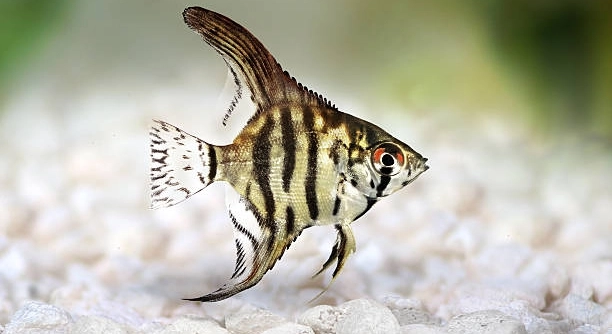
Angelfish are beautiful creatures commonly kept in home aquariums. If you’re setting up a tank for them, you might be wondering if a filter is truly necessary. Let’s look into what they need to thrive.
Angelfish can technically live without a filter, but a filter helps maintain clean water and reduces the buildup of harmful toxins. Without one, the water quality may degrade quickly, stressing the fish and risking their health.
Maintaining a proper environment for angelfish involves more than just the basics. Understanding the factors that support their well-being will ensure your aquarium stays in good shape for your fish.
What Do Angelfish Need to Stay Healthy?
Angelfish are sensitive to their environment, which makes it essential to provide the right conditions. Aside from a clean tank, they require stable water temperature, suitable lighting, and a balanced diet. These fish thrive in warm waters between 76-82°F. They also need a tank with plenty of space, as they can grow quite large and may become stressed if cramped. Without a filter, regular water changes become even more critical.
Water quality plays a large role in their health. Angelfish are sensitive to poor water conditions, which can cause diseases and stress. It’s important to monitor their water parameters regularly, especially the levels of ammonia, nitrites, and nitrates.
A filter helps maintain optimal water conditions by removing waste and toxins. Without it, you need to manually keep the water clean, which can be time-consuming. Also, angelfish enjoy plants and hiding spots in the tank. These additions can help reduce stress by giving them areas to hide and explore. Proper care ensures a longer, happier life for your angelfish.
The Role of Filters in Angelfish Care
Filters are helpful in keeping your angelfish’s tank clean.
A filter helps circulate the water, ensuring that harmful substances like excess food, fish waste, and decaying plants are removed. Without a filter, waste can quickly accumulate, lowering the oxygen levels and increasing the risk of harmful bacteria and algae growth. This can lead to cloudy water and unhealthy living conditions for your fish. Even if you do regular water changes, it’s difficult to maintain the same level of cleanliness without a filter.
Filters also contribute to water movement, which is vital for oxygen exchange. Angelfish prefer gentle water flow, so it’s important to choose the right filter strength. Too strong a current can cause stress, while too weak a flow may lead to stagnation. For many aquariums, a filter provides the needed balance to keep water clean and properly oxygenated.
Can Angelfish Survive Without a Filter?
Without a filter, angelfish can survive, but it requires extra effort to keep the tank clean.
A filter helps remove waste and maintain proper water circulation, which reduces the likelihood of toxins building up. In its absence, the tank needs to be cleaned frequently, with regular water changes to keep ammonia and nitrate levels under control. You’ll also need to monitor the water quality closely, as harmful substances can quickly accumulate.
While angelfish may survive without a filter, the stress caused by poor water quality can shorten their lifespan. Without proper filtration, the water can turn cloudy, and oxygen levels might drop. In such conditions, angelfish can become more susceptible to diseases and parasites. For optimal health, it’s highly recommended to use a filter, even though they can technically live without it.
The Importance of Water Changes
Without a filter, water changes become even more important for maintaining a healthy tank.
Regular water changes help remove waste and toxins that can build up in a tank without a filter. In a filtered tank, the filter handles much of this work. However, when there’s no filter, you’ll need to replace around 25-30% of the water every week to ensure it remains safe for your angelfish. This helps keep ammonia and nitrate levels at safe limits, reducing the risk of stress and disease.
Without consistent water changes, harmful toxins like ammonia and nitrates will increase, affecting the angelfish’s health. Even if you have live plants, which help absorb some of the waste, they cannot fully replace the role a filter plays. Regular water changes are the best way to maintain a healthy environment in an unfiltered tank.
How to Maintain Water Quality Without a Filter
Maintaining water quality without a filter requires extra care and attention.
You’ll need to monitor the water regularly for any changes in ammonia, nitrate, or nitrite levels. Using a liquid test kit will help you keep track of the water’s condition. Regular water changes, as mentioned earlier, are essential. Adding live plants to the tank can help absorb some of the waste, improving water quality naturally.
Additionally, reducing overfeeding can prevent excessive waste from building up. This helps keep the tank cleaner for longer periods. A vacuum siphon can also be useful for removing leftover food and debris from the substrate.
Feeding Angelfish Without a Filter
Feeding angelfish properly without a filter is key to keeping water clean.
Overfeeding can lead to waste accumulation, which negatively affects water quality. It’s best to feed angelfish small amounts of food once or twice a day, ensuring they consume it all. Uneaten food left in the tank can quickly break down, raising ammonia levels and causing stress for the fish.
This means paying attention to portion sizes and only feeding what the fish will eat in a few minutes. If you’re unsure, it’s better to feed less and check the tank after feeding to make sure no food remains.
Alternative Filtration Methods
If a traditional filter isn’t an option, there are other ways to maintain clean water.
You can use a sponge filter, which is a gentle filtration method that doesn’t create strong water currents. This works especially well in smaller tanks or tanks with delicate fish. Another option is a sponge aerator, which improves oxygen levels while gently circulating water. Both methods can help maintain water quality without the need for a powerful mechanical filter.
FAQ
Can angelfish live in a tank without a filter?
Yes, angelfish can live without a filter, but it requires a lot more effort to maintain a healthy tank. Without a filter, you’ll need to perform regular water changes to prevent toxins like ammonia and nitrates from building up. A filter helps keep the tank clean and the water oxygenated, so you’ll need to manually keep an eye on water quality. Regular testing and water changes are crucial to maintaining a safe environment for your angelfish.
How often should I change the water if there’s no filter?
Without a filter, you should change 25-30% of the water every week. This helps prevent the accumulation of harmful waste and toxins that can quickly build up in an unfiltered tank. Regular water changes are essential to keeping ammonia and nitrate levels in check, ensuring the health of your fish.
Do I need to use a water conditioner without a filter?
Yes, it’s still a good idea to use a water conditioner even if you don’t have a filter. A water conditioner helps neutralize harmful substances in tap water, such as chlorine or chloramine, which can harm your angelfish. It also helps balance the water’s pH, providing a safer environment for your fish.
Can live plants replace the need for a filter?
While live plants can help improve water quality by absorbing waste and providing oxygen, they cannot fully replace the need for a filter. Plants help reduce some of the waste and toxins, but they don’t filter the water as effectively as a proper filtration system. Live plants are beneficial, but they are not a complete substitute for regular water changes and careful water management.
How can I reduce the amount of waste in the tank?
To reduce waste in an unfiltered tank, you should avoid overfeeding your angelfish. Only feed them what they can consume in a few minutes. Any leftover food decomposes and creates waste, which can negatively impact water quality. You should also remove debris and uneaten food from the substrate regularly. Using a gravel vacuum during water changes is an effective way to clean the substrate and reduce waste buildup.
What are the risks of not having a filter in an angelfish tank?
The main risks of not having a filter in an angelfish tank are poor water quality and stress for the fish. Without a filter, toxins like ammonia and nitrates can build up quickly, leading to unhealthy water. This can cause stress, diseases, and even death for your angelfish. Poor water quality also reduces oxygen levels, making it harder for your fish to breathe. Regular water changes and testing are essential to managing these risks.
How can I oxygenate the water without a filter?
Without a filter, you can use an air pump with an air stone to help oxygenate the water. The air stone will create bubbles that promote oxygen exchange on the water’s surface. This is especially important in a tank without a filter, as it ensures your angelfish have enough oxygen to stay healthy. However, be cautious not to create too strong of a current, as angelfish prefer gentle water movement.
Is it possible to have a healthy angelfish tank without a filter and live plants?
While it is possible to have a healthy angelfish tank without a filter and live plants, it requires much more effort. Without a filter, you will need to be diligent about water changes and water testing. You’ll also need to monitor the water quality carefully to prevent harmful toxins from accumulating. Live plants can help, but if you’re not using a filter, you’ll need to be proactive in managing water quality to keep your angelfish healthy.
Can I use a sponge filter instead of a traditional filter?
Yes, a sponge filter can be a great alternative to a traditional filter, especially for smaller tanks or tanks with delicate fish like angelfish. Sponge filters provide gentle filtration and oxygenation without creating strong currents, which can stress angelfish. They are quieter and easier to maintain than traditional filters and work well for unfiltered tanks, but you will still need to do regular water changes.
How do I know if my angelfish are stressed due to poor water quality?
Signs of stress in angelfish due to poor water quality include erratic swimming behavior, loss of appetite, and visible changes in their appearance, such as faded colors or clamped fins. They may also spend more time near the surface, gasping for air if the oxygen levels are low. If you notice any of these signs, it’s important to test the water and perform a water change as soon as possible.
Is a filter necessary for all types of fish, or just angelfish?
While filters are essential for most fish species, some fish are more tolerant of poor water quality than others. However, even for hardy fish, a filter is still helpful in maintaining a stable environment. Angelfish are more sensitive to changes in water quality, so they especially benefit from a filter. In general, a filter is a good idea for all aquarium setups, as it helps maintain water cleanliness, oxygen levels, and reduces the risk of diseases.
Final Thoughts
Angelfish can technically survive in a tank without a filter, but this requires a lot more attention and care. Without a filter, you must be diligent about keeping the water clean. Regular water changes, testing the water quality, and removing waste are essential tasks to ensure your fish stay healthy. Filters play a big role in keeping the tank environment stable by removing toxins and maintaining oxygen levels. Without one, you’ll need to work harder to manage the tank’s water quality and avoid the risks associated with poor conditions.
While it is possible to manage a tank without a filter, it’s generally not recommended for long-term care, especially with delicate fish like angelfish. They are more sensitive to changes in water quality and can easily become stressed or sick if the water is not properly maintained. If you choose to go without a filter, consider using live plants, which can help improve water quality, or a sponge filter to offer gentle filtration without strong currents. Even with these alternatives, you’ll still need to stay on top of water changes and waste removal.
In the end, a filter makes it easier to maintain a healthy tank, but it’s not an absolute necessity if you’re willing to put in the extra effort. If you are committed to keeping your angelfish healthy without a filter, make sure to monitor the tank closely and follow all necessary steps to keep the water clean. Keep in mind that while filters make the job easier, with the right care and attention, your angelfish can live happily even without one.

Hello,
If you enjoy the content that we create, please consider saying a "Thank You!" by leaving a tip.
Every little bit helps us continue crafting quality advice that supports the health, happiness, and well-being of pets around the world, for pets of all shapes, sizes, and species.
We really appreciate the kindness and support that you show us!