
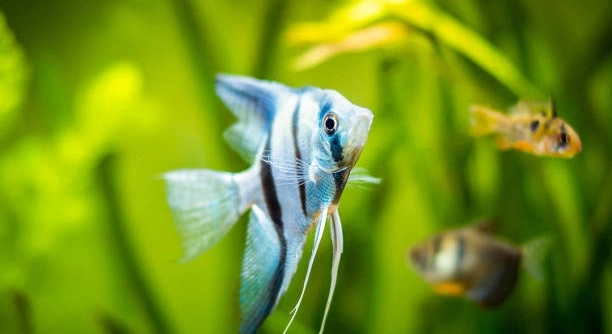
Angelfish are beautiful, vibrant fish that are often kept in freshwater aquariums. However, many people wonder if they can thrive in brackish water environments. In this article, we’ll explore key information about keeping angelfish in brackish water.
Angelfish are freshwater fish and are not typically suited for brackish water. While they can tolerate slightly saline conditions for short periods, their long-term health and well-being may be compromised in brackish environments.
Understanding the challenges and considerations of keeping angelfish in brackish water can help ensure their health and longevity. There are specific factors to consider before introducing them to such an environment.
What Is Brackish Water?
Brackish water is a mix of freshwater and seawater. It typically has a salinity level that falls between that of freshwater and saltwater. This type of water is usually found in places where freshwater rivers meet the ocean, such as estuaries and coastal areas. Many fish species, like certain types of shrimp and certain species of pufferfish, are adapted to brackish environments. However, for most freshwater fish, brackish water is not their natural habitat.
The salinity of brackish water can vary greatly depending on the location and time of year. Typically, brackish water has a salinity of 0.5 to 30 parts per thousand (ppt). This is much higher than freshwater, which has a salinity level of less than 0.5 ppt. For comparison, ocean water usually has a salinity of around 35 ppt.
When considering keeping fish in brackish water, it’s important to understand the potential impact on species that are not naturally adapted to these conditions. The change in salinity can stress fish and negatively affect their health over time.
Can Angelfish Tolerate Brackish Water?
Angelfish are not naturally found in brackish water. While they are hardy fish, their freshwater habitat is far different from brackish conditions.
Angelfish are known to prefer soft, slightly acidic water. This is a stark contrast to the more saline conditions of brackish water. While they may survive in brackish water for a short time, they may not thrive there. The salinity levels can weaken their immune system, making them more vulnerable to diseases. This is why it’s not recommended to place angelfish in brackish tanks for extended periods.
Angelfish can handle slight fluctuations in their environment, but the constant change in salinity from freshwater to brackish water can stress them. In nature, they live in slow-moving rivers and ponds, not in estuarine zones where salinity varies. In captivity, it’s best to replicate their natural habitat with stable water conditions to avoid health issues. For the well-being of your angelfish, it’s best to avoid keeping them in brackish tanks unless absolutely necessary.
Salinity Levels and Angelfish
Angelfish are freshwater species that are sensitive to changes in salinity. Even a slight increase in salinity can cause stress. This can affect their behavior, immune system, and overall health. Angelfish are not naturally adapted to higher salt levels, which is why brackish water may not be suitable for them.
In brackish water, the salinity level can fluctuate, and this instability can harm angelfish. They do not have the biological adaptations that allow them to cope with these changes in salinity, unlike saltwater species. Even low levels of salt can cause irritation to their skin and gills. Over time, this exposure can lead to weakening of their immune system, making them prone to illnesses.
While angelfish can handle slightly altered water conditions, brackish water poses a bigger challenge. They are best kept in a stable environment with freshwater, which keeps their biological systems functioning optimally. If salt is added to their tank, it should be done very cautiously and only in small amounts to avoid harming them.
The Impact of Brackish Water on Angelfish Health
When angelfish are placed in brackish water, they often experience a significant amount of stress. This is primarily due to the increased salinity, which forces their bodies to work harder to maintain internal balance. This stress can manifest in various ways, such as reduced activity, loss of appetite, and a weakened immune system. Over time, these effects can lead to illness and even death.
Angelfish are not designed to tolerate brackish water conditions for extended periods. The salt in the water can cause their gills to become irritated, preventing them from absorbing oxygen properly. As a result, they may struggle to breathe and may show signs of labored swimming or staying near the surface. In addition to this, the added stress may make them more susceptible to diseases such as ich or fin rot.
For the long-term health of your angelfish, it’s essential to maintain freshwater conditions with appropriate water quality and temperature. If you’re aiming to create a diverse tank, it’s best to stick with species that are naturally adapted to brackish water.
Angelfish Behavior in Brackish Water
When kept in brackish water, angelfish may display unusual behavior. This can include swimming erratically or hiding more often than usual. The discomfort caused by the salinity levels can lead them to become more stressed and withdrawn, which is not typical of their normal behavior in freshwater.
Angelfish usually enjoy calm, peaceful environments where they can move freely and socialize with other fish. In brackish water, the conditions may force them to retreat to corners of the tank or stay near the surface, where they may feel safer from the stress.
Tank Setup for Brackish Water
A brackish tank needs specific conditions that differ from a freshwater setup. The salinity level must be monitored regularly to ensure it is within the appropriate range. A reliable filtration system is necessary to maintain water quality and remove excess salt build-up that can harm all fish in the tank.
Alternatives to Brackish Water for Angelfish
If you want to keep angelfish healthy, freshwater is the best option. A freshwater tank provides the right conditions for them to thrive. You can adjust the water’s hardness and pH levels to mimic their natural habitat, ensuring they feel comfortable and healthy.
FAQ
Can angelfish survive in brackish water for a long time?
Angelfish are not suited for long-term survival in brackish water. While they can tolerate low levels of salt for short periods, their natural habitat is freshwater. Extended exposure to saltwater can weaken their immune system, leading to health problems. It’s best to keep angelfish in stable freshwater conditions.
What happens to angelfish in brackish water?
When angelfish are placed in brackish water, they may show signs of stress. They could become more lethargic, swim erratically, or hide more often. Their gills and skin may also suffer from the salt, leading to irritation. Over time, the prolonged exposure could lead to diseases or even death.
How much salt can angelfish tolerate?
Angelfish can tolerate small amounts of salt, usually up to 1 teaspoon per gallon of water. However, this should be done gradually and only for short periods. Any more than that can stress the fish and affect their overall health. If you want to add salt to a tank, always research the proper salt levels for your fish.
Can angelfish breed in brackish water?
Breeding angelfish in brackish water is not recommended. They need stable freshwater conditions for successful breeding. Brackish water introduces too much stress and instability, which could disrupt their natural breeding behavior. If you’re aiming to breed angelfish, it’s best to maintain their environment within the freshwater range.
What other fish can live in brackish water?
Brackish water is suitable for species that naturally thrive in coastal or estuarine environments. Fish like mollies, swordtails, and some types of gobies can live in brackish tanks. Species like pufferfish, certain types of catfish, and specific species of shrimp are also well-suited for brackish water. When choosing fish for a brackish tank, always ensure they have similar salinity requirements.
How can I maintain a brackish water tank?
Maintaining a brackish water tank requires regular monitoring of the salinity and water quality. Use a hydrometer to measure the salt levels and make adjustments as needed. It’s important to perform water changes regularly and check for any excess salt buildup. A good filtration system is essential to keep the water clean and safe for the fish. Additionally, make sure the water’s pH and hardness are appropriate for the species you’re keeping.
What is the ideal pH level for angelfish in freshwater?
Angelfish thrive in slightly acidic to neutral water, with a pH range of 6.8 to 7.8. This mimics the natural conditions of their habitat. Keeping the pH within this range helps to maintain their health and encourages natural behavior. If the pH level fluctuates too much, it could stress the angelfish and lead to health problems.
Can angelfish live with other brackish water species?
Since angelfish are freshwater species, they are not ideal tankmates for brackish water fish. The salinity levels required for brackish water fish will stress the angelfish. If you want to have a mixed tank, it’s better to keep angelfish with other freshwater species that share similar water conditions.
Is it safe to mix saltwater and freshwater species in one tank?
Mixing saltwater and freshwater species in the same tank is generally not recommended. Saltwater and freshwater fish have very different needs in terms of water salinity, pH, and temperature. Mixing them can result in stress for both types of fish, affecting their health and longevity. It’s best to stick to either a freshwater or saltwater tank for optimal fish care.
How can I make my tank brackish?
To turn a freshwater tank into a brackish one, you need to gradually add marine salt or aquarium salt. Start by adding a small amount and monitor the water’s salinity regularly. Remember, increasing the salt content should be done slowly to avoid shocking the fish. Always research the specific requirements of the fish species in your tank before making changes to the water conditions.
Final Thoughts
Angelfish are beautiful and peaceful creatures that thrive in freshwater environments. While they can tolerate small amounts of salt, brackish water is not ideal for them. Their natural habitat is in soft, slightly acidic freshwater, where they can live comfortably. Introducing them to brackish water can cause stress and potential health issues. For the long-term well-being of your angelfish, it’s best to keep them in a stable, freshwater environment that mimics their natural conditions.
It’s important to remember that while angelfish may survive in brackish water for short periods, this is not recommended. They are not equipped to handle the fluctuations in salinity that brackish water often brings. The salt can irritate their gills and skin, making it harder for them to breathe and causing other health problems. If you want to create a tank with a variety of species, it’s better to choose fish that are suited for brackish conditions instead of forcing angelfish to adapt to something unnatural for them.
By maintaining appropriate freshwater conditions for your angelfish, you help ensure they live a healthy, stress-free life. Their vibrant colors and peaceful nature make them wonderful pets, and providing them with the right environment is key to their well-being. Whether you are a new fish keeper or have experience, creating a freshwater tank for your angelfish will be rewarding. Keeping their needs in mind will help you enjoy their beauty for years to come.

Hello,
If you enjoy the content that we create, please consider saying a "Thank You!" by leaving a tip.
Every little bit helps us continue crafting quality advice that supports the health, happiness, and well-being of pets around the world, for pets of all shapes, sizes, and species.
We really appreciate the kindness and support that you show us!