
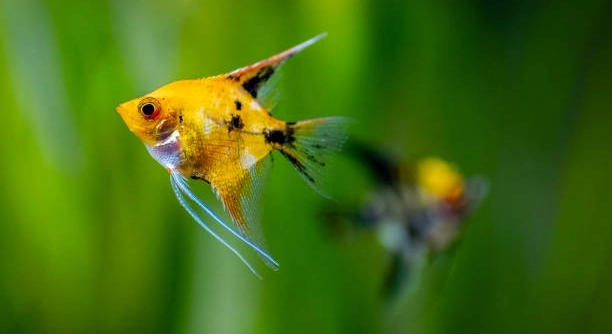
Angelfish are often seen as a beautiful addition to any aquarium. However, their care requirements make them less suited for small, confined spaces. Many people wonder if these fish can live in something as small as a bowl.
Angelfish require a minimum tank size of 20 gallons to thrive due to their size, water quality needs, and active nature. Keeping them in a bowl is not recommended, as it leads to health issues and poor living conditions.
Understanding why a bowl is not ideal for angelfish will help you ensure their well-being and provide them with the best care possible.
Limited Space for Movement
Angelfish are known for their graceful swimming, but they need plenty of space to move around. A bowl, which typically holds less than a gallon of water, does not provide enough room for them to swim freely. In a confined space, the fish’s movement becomes restricted, leading to stress and unhealthy living conditions. Their natural behavior involves swimming long distances, and when they are forced to live in a small bowl, they cannot exhibit this behavior, which can affect their overall well-being. Stress from being in an overcrowded environment weakens their immune system and makes them more susceptible to diseases. It is important to ensure that angelfish have enough room to move, swim, and explore their surroundings, which bowls simply cannot provide.
Keeping an angelfish in a bowl restricts its natural instincts. Their growth can be stunted, and they can become less active due to limited space. These factors contribute to shorter lifespans and poorer health.
Investing in an appropriately sized tank, ideally 20 gallons or more, ensures the fish have enough space to thrive. A larger tank not only supports their physical needs but also helps maintain stable water conditions, reducing the risk of waterborne illnesses.
Poor Water Quality
A bowl’s small size makes it challenging to maintain proper water quality. Angelfish, like all fish, are sensitive to changes in their environment, especially water quality. In a small bowl, waste accumulates quickly, causing the water to become polluted. Without a filtration system, toxins like ammonia build up, harming the fish. Inadequate oxygen levels in the bowl also affect their health. Fish require good water circulation and filtration to keep oxygen levels high and harmful toxins low.
Maintaining a healthy environment for an angelfish means more than just filling a bowl with water. It involves regularly cleaning the tank and ensuring proper filtration. When kept in a bowl, achieving this balance is almost impossible.
Providing a tank with a filter and performing regular water changes is essential for maintaining a clean, stable habitat. Clean water reduces the risk of infections and allows angelfish to live a healthy, stress-free life.
Lack of Proper Filtration
Without proper filtration, the water in a bowl becomes polluted very quickly. Angelfish need clean, oxygenated water to survive. In a bowl, there is no way to effectively filter waste, and harmful toxins like ammonia build up, putting the fish’s health at risk.
A filtration system helps remove debris, excess food, and waste that would otherwise harm the water quality. In a small bowl, the lack of filtration can lead to poor oxygen levels, affecting the angelfish’s ability to breathe properly. This can cause stress and other serious health issues.
In a larger tank, filtration maintains the stability of the water and ensures proper oxygenation. This helps angelfish thrive by providing them with a clean, safe environment. Without filtration, the fish cannot live comfortably, and their health will decline over time.
Inadequate Space for Socialization
Angelfish are social creatures that benefit from interactions with others of their kind. When kept in a bowl, they do not have enough space to socialize or establish territories, which can result in stress. Fish that are isolated for long periods of time may become withdrawn or aggressive.
In the wild, angelfish live in schools, offering them protection and social stimulation. In a bowl, this natural behavior is stifled, which can negatively impact their mental and physical health. Social interactions are vital for their development and well-being.
A larger tank with multiple angelfish allows for healthier socialization. While you don’t need a large group, having at least two or three angelfish can make a huge difference. This encourages natural behaviors and reduces stress in the long run.
Poor Temperature Regulation
Bowl water temperature can fluctuate easily, leading to an unstable environment for angelfish. Angelfish prefer a stable water temperature between 75-80°F. In a bowl, it is difficult to control these conditions, making it hard for the fish to thrive.
Temperature swings can weaken their immune system and make them more susceptible to illness. Without a heater or proper environment, the fish can experience stress, which further impacts their health. A stable environment is essential for their well-being.
A larger tank with a reliable heater provides better temperature control. This helps keep the water at the proper temperature, which is crucial for angelfish to stay healthy.
Stress and Anxiety
Living in a confined space creates constant stress for angelfish. The small size of a bowl makes the fish feel trapped, unable to move or hide. This constant anxiety can lead to physical and mental health problems.
Angelfish are naturally curious and need stimulation from their environment. A bowl does not provide enough enrichment, and the lack of hiding spots or plants leads to further stress. Without proper enrichment, their behavior becomes increasingly agitated, making them more prone to diseases.
In a larger tank, they have more room to explore and find hiding spots. This reduces stress and promotes healthier, more natural behaviors.
Difficulty with Breeding
Angelfish require specific conditions to breed successfully. The small space in a bowl doesn’t provide the privacy or environmental stability they need for breeding. The lack of space makes it harder for them to establish territories and feel safe during the breeding process.
A larger tank offers better conditions for breeding, such as enough space for nesting sites and stable water quality. Angelfish need both physical and mental comfort to breed effectively, and a bowl doesn’t provide this. To successfully breed angelfish, a spacious environment with appropriate water parameters is essential.
FAQ
Can angelfish live in a 5-gallon bowl?
A 5-gallon bowl is still too small for an angelfish. Angelfish require at least 20 gallons of space to thrive. A 5-gallon bowl doesn’t allow enough room for swimming and doesn’t help maintain good water quality. With such a small space, they will likely experience stress and health problems.
How long can angelfish survive in a bowl?
Angelfish can survive in a bowl for a short time, but it isn’t ideal. They are not suited for small, confined spaces. Over time, they may develop health problems like poor growth, weakened immune systems, and stress-related conditions. The fish might live for a few weeks to a couple of months, but this is not an ideal long-term solution.
What size tank do angelfish need?
Angelfish need at least a 20-gallon tank. This size allows them enough room to swim and explore their surroundings. In a 20-gallon tank, the fish can also establish territories and interact naturally with others. Larger tanks are even better, especially if you plan to keep multiple angelfish or other fish in the same tank.
Can I keep an angelfish with other fish in a bowl?
It is not recommended to keep angelfish with other fish in a bowl due to the lack of space and proper water conditions. Angelfish can be territorial, and adding other fish to such a small environment can increase stress for both the angelfish and other species. It’s better to keep them in a larger tank where they have enough space to coexist peacefully.
How often should I change the water in a bowl?
In a bowl, water changes need to be more frequent due to the lack of filtration. You should aim to change at least 50% of the water every 2-3 days. However, even with frequent water changes, a bowl will still struggle to maintain proper water quality. A larger tank with a filtration system is a much better option for angelfish.
Can angelfish live in a bowl without a filter?
Angelfish cannot live in a bowl without a filter for long. In the absence of filtration, toxins such as ammonia build up quickly, leading to poor water quality. This can cause the fish to become sick or even die. A filter is essential to maintain water cleanliness and oxygen levels, which are critical for angelfish survival.
What type of filter do angelfish need?
Angelfish need a filter that provides gentle water movement. They are not strong swimmers and can struggle with strong currents. A sponge filter or a low-flow power filter is ideal for maintaining water quality without disturbing the fish too much. It’s important to ensure the filter is appropriate for the tank size to provide the best environment.
Can I use a heater in a bowl for angelfish?
Using a heater in a bowl for angelfish is challenging due to the small size and shape of most bowls. Heaters are generally designed for larger tanks and may overheat the water in a small bowl. In a larger tank, a reliable heater is essential for keeping the water temperature stable, which is crucial for angelfish health. For proper temperature regulation, a tank with enough room for a heater is recommended.
Do angelfish need a lid on their tank?
Yes, angelfish should have a lid on their tank, especially if you are keeping them in a larger aquarium. Angelfish are known to jump, particularly if they are stressed or startled. A lid helps prevent the fish from jumping out and keeps the tank environment stable by minimizing evaporation.
Can angelfish live with bettas in a bowl?
It is not a good idea to keep angelfish with bettas, especially in a bowl. Bettas are aggressive, particularly toward other males and fish with long fins, like angelfish. The small space in a bowl increases the chances of conflict. In a larger tank, angelfish and bettas might coexist, but proper tank setup and monitoring are crucial.
What water conditions do angelfish need?
Angelfish prefer slightly acidic to neutral water, with a pH level of 6.5 to 7.5. The water should also be soft to moderately hard, with temperatures between 75°F and 80°F. Keeping water conditions stable is vital for their health. Regular water testing can help ensure the water stays within these parameters.
How can I keep my angelfish healthy?
To keep your angelfish healthy, provide a spacious tank with proper filtration and temperature control. Feed them a balanced diet of high-quality flakes, pellets, and occasional frozen or live foods. Maintain clean water, monitor their health regularly, and avoid overcrowding. Consistent care will ensure they stay happy and active.
Are angelfish aggressive?
Angelfish can be aggressive, especially during breeding. They may show territorial behavior and chase away other fish if they feel threatened or if they are protecting their eggs. However, in a larger tank, this behavior can be more easily managed. Keeping only one angelfish or providing plenty of space can help reduce aggression.
What should I avoid when keeping angelfish?
Avoid keeping angelfish in small bowls, overcrowded tanks, or tanks without proper filtration and temperature control. Avoid mixing them with aggressive fish like bettas. Also, ensure the tank has proper decorations and hiding places for the fish to feel secure. Keeping them in an appropriate environment will prevent stress and illness.
Can angelfish live without a tank mate?
Angelfish can live alone if necessary. However, they are social fish and will do better with tank mates. Having other peaceful fish can provide stimulation and reduce stress. If you prefer to keep a single angelfish, make sure to give it plenty of space and environmental enrichment.
How do I set up a tank for an angelfish?
To set up a tank for an angelfish, choose a tank that is at least 20 gallons. Add a gentle filter, a reliable heater, and appropriate lighting. Include some plants and decorations that provide hiding spots, and make sure the water conditions are suitable. Regular maintenance, such as water changes and monitoring temperature, is essential.
Final Thoughts
Angelfish are beautiful and captivating creatures that require a specific environment to thrive. While it might seem convenient to house them in a small bowl, this setup does not provide the conditions they need for long-term health and happiness. A bowl, regardless of its size, fails to offer enough swimming space, stable water conditions, or proper filtration, all of which are essential for angelfish. The small size limits the fish’s natural behaviors and increases stress, which can lead to illness and a shortened lifespan.
Providing a proper tank with adequate space, filtration, and temperature control is the best way to care for angelfish. A tank of at least 20 gallons is ideal, allowing them to swim freely and interact naturally with their environment. A filter helps keep the water clean and provides the necessary oxygen levels, while a heater ensures the water stays within the required temperature range. Without these essentials, angelfish will struggle to thrive and may suffer from poor health or even premature death. It is crucial to invest in a proper tank setup to ensure the fish’s well-being.
In conclusion, while keeping angelfish in a bowl might seem like a simple solution, it is not a viable long-term option. A larger tank with proper filtration and temperature control is necessary for their survival and well-being. If you are committed to keeping angelfish as pets, make sure you can provide them with the space and care they deserve. By understanding their needs and creating an ideal environment, you can enjoy a healthy, happy angelfish for many years.

Hello,
If you enjoy the content that we create, please consider saying a "Thank You!" by leaving a tip.
Every little bit helps us continue crafting quality advice that supports the health, happiness, and well-being of pets around the world, for pets of all shapes, sizes, and species.
We really appreciate the kindness and support that you show us!