
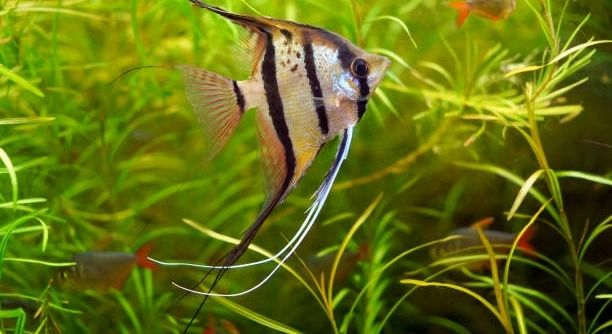
Angelfish are active and visually stimulating creatures, often a joy to observe. However, their environment plays a crucial role in keeping them engaged. Understanding their behavioral needs helps in providing the right setting for them to thrive.
Angelfish can indeed get bored if their environment lacks stimulation. A monotonous tank setup without enrichment can lead to stress or inactivity. Incorporating elements such as plants, hiding spots, and tank mates can provide necessary mental and physical engagement for your angelfish.
With these simple changes, you can help your angelfish stay active and healthy in their environment.
1. Tank Decorations and Structures
Angelfish thrive in an environment that mimics their natural habitat. Adding various decorations like plants, rocks, and driftwood provides visual stimulation and helps break up the monotony of an empty tank. They enjoy swimming around objects and hiding behind structures, which can reduce stress and keep them engaged. In the wild, they navigate through dense vegetation and submerged objects, so having similar elements in their tank helps them feel more secure and active. Furthermore, live plants not only offer hiding spots but also promote healthier water conditions by absorbing excess nutrients.
Decorations are essential for creating a dynamic environment that encourages angelfish to move and explore. The more varied the scenery, the more likely they are to stay active.
A good balance of open space and structure helps angelfish maintain their natural swimming patterns. Make sure decorations aren’t overcrowding the tank, as it could limit their space to swim freely.
2. Tank Mates and Socialization
Angelfish are social creatures and often enjoy the company of their own kind or compatible species.
Introducing appropriate tank mates that won’t cause stress or aggression is important. Angelfish can form bonds with other fish, encouraging them to move around and interact. Keeping them with peaceful species creates a lively, social environment.
In addition, introducing tank mates that swim in different levels—some near the surface, others near the bottom—gives angelfish more areas to explore. This creates a balanced environment where they can observe and interact with different species. It’s important to avoid overly aggressive or territorial fish, as this may lead to stress or boredom. Adding a few compatible companions to the tank encourages interaction and reduces the likelihood of the angelfish becoming isolated and bored.
3. Lighting and Day/Night Cycle
Angelfish respond well to a regular day/night cycle. Keeping the lighting consistent allows them to establish a routine. A sudden change in light levels can cause stress or make them feel disoriented.
Proper lighting simulates natural conditions, helping angelfish feel more comfortable. Ensure the tank has a light that doesn’t flicker and that the light is turned off at night to mimic the dark cycle. Using a timer can help maintain consistency and ease them into a predictable schedule. It’s best to aim for around 10-12 hours of light each day.
Adjusting the intensity of the lighting can also add variety to their environment, preventing the tank from feeling too monotonous. This change encourages the angelfish to adapt and explore the space more actively.
4. Feeding Routine and Variety
Feeding your angelfish a varied diet keeps them active and interested.
A balanced feeding routine ensures your angelfish get all the nutrients they need to stay healthy. However, it’s important to offer a mix of food types, like flakes, pellets, frozen foods, and live food. Changing their meals every few days makes feeding more engaging for them.
If you feed them the same food too often, they may lose interest in eating altogether. Variety in their diet also helps with keeping them healthy and preventing boredom. Some angelfish may even enjoy hunting for food, so introducing a foraging activity could give them more stimulation.
5. Water Quality and Maintenance
Maintaining good water quality is essential to prevent stress and promote engagement.
Frequent water changes and keeping the filter clean are necessary to keep the tank environment stable. Angelfish are sensitive to water conditions, so avoiding ammonia, nitrate, and nitrite spikes is crucial for their well-being.
A clean tank ensures your angelfish stay healthy and active. Regular water testing will help you stay on top of the water’s pH, hardness, and temperature.
6. Tank Size and Space
A properly sized tank allows angelfish to swim freely and remain active.
Larger tanks give them more space to explore and reduce territorial behaviors. A cramped tank will result in limited movement and a bored angelfish. Ensure your tank is spacious enough for your fish to exhibit natural behaviors.
7. Interactive Items for Stimulation
Adding interactive items, such as mirrors or toys, can encourage angelfish to engage more actively with their environment.
Mirrors temporarily attract their attention, prompting movement and exploration. Aquarium-safe decorations that move, like gentle currents or bubbles, also provide stimulation. This dynamic interaction helps break up the monotony, keeping your angelfish active and entertained.
FAQ
Can angelfish get bored?
Yes, angelfish can get bored if their environment lacks stimulation. Without proper enrichment, they may become lethargic or exhibit stress-related behaviors. A monotonous tank setup with little to explore or interact with can lead to boredom. Providing a variety of tank decorations, live plants, and compatible tank mates can keep them engaged.
How often should I change the water in my angelfish tank?
Water changes should be done every one to two weeks, depending on tank size and fish load. A 25-30% water change is ideal to maintain good water quality. Over time, waste and leftover food can build up in the water, affecting its quality. Regular changes help prevent stress and health issues.
What temperature should the water be for angelfish?
Angelfish prefer water temperatures between 76°F and 82°F (24°C to 28°C). Keeping the water within this range promotes their health and activity levels. Sudden fluctuations in temperature can stress them out, so it’s important to maintain a stable environment.
What is the best tank size for angelfish?
Angelfish require a minimum tank size of 20 gallons for one fish. For each additional angelfish, increase the tank size by 10 gallons. A larger tank provides more space for them to swim and reduces territorial issues. A larger environment can also help minimize stress and encourage natural behaviors.
Do angelfish need a filter?
Yes, angelfish need a filter to maintain clean water. Filters help remove waste, excess food, and toxins from the tank, keeping the environment healthy for your fish. Ensure the filter is strong enough to provide proper water circulation but not too powerful, as angelfish prefer calm waters.
Can angelfish live with other fish?
Angelfish can live with other peaceful species that won’t stress or provoke them. Compatible tank mates include tetras, gouramis, and other non-aggressive fish. Avoid aggressive species or those that occupy the same space in the tank, as angelfish can become territorial.
How can I tell if my angelfish is stressed?
Signs of stress in angelfish include erratic swimming, hiding more than usual, loss of appetite, or clamped fins. Poor water quality, incompatible tank mates, and inadequate tank conditions can cause stress. Addressing the issue, such as improving water quality or adding more hiding spots, can help.
Can I feed my angelfish live food?
Yes, angelfish can eat live food such as brine shrimp, worms, or small insects. Live food provides extra nutrients and encourages natural hunting behavior. However, make sure the live food is clean and disease-free to avoid introducing harmful bacteria or parasites into the tank.
Do angelfish need to be fed every day?
Yes, angelfish should be fed once or twice a day. Overfeeding can lead to poor water quality, while underfeeding can result in malnutrition. Provide a variety of foods like flakes, pellets, and occasional live food to keep them healthy and engaged.
How do I prevent my angelfish from fighting?
To prevent aggression, ensure there is enough space in the tank, especially if you keep multiple angelfish. Providing plenty of hiding spots and a well-decorated environment can reduce territorial disputes. Adding compatible tank mates that don’t provoke them can also help maintain peace.
Can angelfish live in a community tank?
Yes, angelfish can thrive in a community tank with peaceful fish. They are social creatures, so they benefit from the company of other non-aggressive species. However, be cautious with smaller fish or those that swim near the bottom, as angelfish may become territorial or see them as food.
How can I tell if my angelfish is healthy?
Healthy angelfish have clear eyes, smooth scales, and an active swimming pattern. Their fins should be spread out and not clamped against their bodies. Additionally, they should have a good appetite and interact with their tank mates. If they are showing signs of illness, such as discoloration or sluggish behavior, it may indicate health issues.
Do angelfish need to be in pairs?
While angelfish can live alone, they are social creatures and can benefit from the company of other angelfish. However, it’s important to avoid keeping multiple males together, as they can become territorial. If you choose to keep more than one, having a mix of males and females in a spacious tank reduces aggression.
What should I do if my angelfish is not eating?
If your angelfish is not eating, check the water quality first. Poor water conditions are a common cause of loss of appetite. Additionally, check for any signs of stress, disease, or bullying from other fish. Try offering a variety of foods, such as live or frozen options, to tempt them to eat.
How can I make my angelfish tank more interesting?
Adding plants, decorations, and interactive items can make the tank more stimulating for angelfish. Use a mix of floating plants, rocks, and structures to encourage exploration. A gentle filter or air stone can add movement to the water, increasing engagement. Introducing new tank mates or changing the layout periodically can also keep them entertained.
Final Thoughts
Keeping angelfish engaged requires attention to their environment and daily routines. A well-maintained tank with varied elements like plants, decorations, and appropriate tank mates will help keep them active. Their natural curiosity thrives when they have different things to explore and interact with. Changing up their environment from time to time can also offer them new challenges and prevent boredom. With the right care, angelfish can remain engaged and healthy for many years.
Water quality plays a vital role in the overall well-being of your angelfish. Keeping the water clean and at a stable temperature reduces stress, promoting better health and activity levels. Regular water changes, proper filtration, and careful monitoring of pH and hardness will help you create a stable environment for your fish. Keeping their water conditions in check ensures they have the energy to engage with their tank and stay active throughout the day.
Finally, a balanced diet and a consistent feeding routine are crucial for keeping your angelfish engaged. Offering a mix of food types can stimulate their natural hunting instincts and prevent them from becoming disinterested in their meals. Variety in their diet and occasional live food also adds to their enrichment. Pairing this with regular maintenance of their living environment ensures that your angelfish remain content and healthy. By combining all of these factors, you can ensure your angelfish enjoy a fulfilling and active life in your tank.

Hello,
If you enjoy the content that we create, please consider saying a "Thank You!" by leaving a tip.
Every little bit helps us continue crafting quality advice that supports the health, happiness, and well-being of pets around the world, for pets of all shapes, sizes, and species.
We really appreciate the kindness and support that you show us!