
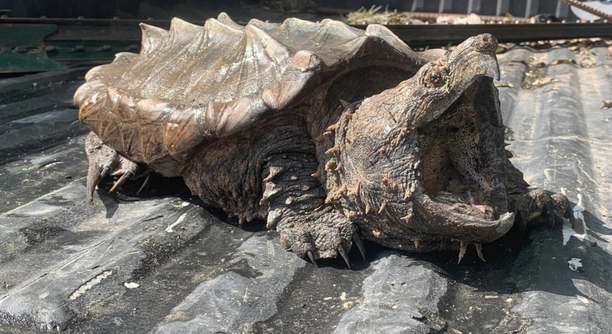
Alligator snapping turtles are fascinating creatures known for their unique appearance and behavior. They are solitary animals in the wild, often spending much of their time alone. However, understanding their emotional needs requires a closer look.
Alligator snapping turtles generally do not experience loneliness in the same way humans or social animals do. Their solitary nature is driven by instinct, and they are not known to form social bonds with other turtles.
Understanding the behavior of these turtles helps ensure their well-being in captivity. Proper care can help them thrive without the need for constant companionship.
Do Alligator Snapping Turtles Need Social Interaction?
Alligator snapping turtles are naturally solitary animals. In the wild, they spend their time alone, often in a submerged environment like rivers or lakes. Unlike some species of turtles that might form loose groups, the alligator snapping turtle thrives in isolation. They do not seek out interaction with others of their kind. In fact, socialization isn’t necessary for their survival. They rely more on instinct and environmental factors for sustenance and protection, rather than forming bonds with other animals.
While alligator snapping turtles do not require companionship, it’s important to provide them with an environment that mirrors their natural habitat. This means a spacious, secure tank with areas to hide and rest. Social interaction, particularly with other turtles, isn’t necessary. Instead, a stable and calm environment will help them feel secure. Ensuring proper care and handling of your turtle is crucial to its well-being.
In captivity, it’s easy to misinterpret their behavior as loneliness when they are simply adapting to their solitary nature. The more attention they get from their owners in terms of feeding and cleaning, the more they tend to thrive. Providing regular care and attention ensures a comfortable life for these turtles without the need for companionship.
How to Keep Your Alligator Snapping Turtle Healthy
The right environment is essential for an alligator snapping turtle. A proper tank with enough space allows them to explore and stay active. Make sure the water is clean and properly filtered to mimic their natural habitat.
While these turtles don’t need social interaction, they still require a balanced diet and proper habitat to remain healthy. Be sure to offer a variety of foods, including fish, worms, and other small animals. Additionally, UVB lighting is important for their shell and overall health. A balanced diet and a clean tank will keep your turtle in good condition, making sure it stays active and free of diseases.
How to Recognize Stress in Alligator Snapping Turtles
Stress in alligator snapping turtles can be identified by changes in behavior, such as hiding more than usual or being less active. If they are stressed, they might also refuse food or appear lethargic. Changes in their environment or handling can trigger these reactions.
To reduce stress, make sure the tank conditions are optimal. The water temperature should be around 75°F to 85°F, with clean, filtered water. Avoid sudden changes in their habitat, as these can unsettle them. It’s also important not to handle them too much, as it can cause unnecessary stress. Proper care and maintaining a stable environment help prevent stress-related issues.
When a snapping turtle is stressed, they may retreat into their shell and stay there for extended periods. This behavior is normal, but if it persists, it could indicate that something is wrong with their environment or health. Ensuring they have a proper diet and undisturbed time alone can ease their stress and keep them healthy.
Creating the Right Environment for Alligator Snapping Turtles
The right environment is crucial for alligator snapping turtles. They need a spacious tank that mimics their natural habitat. A tank with hiding spots, like rocks or logs, provides them with the shelter they prefer. Proper lighting is also essential to maintain their health.
Water quality is vital for these turtles. The water should be kept clean with a high-quality filtration system. Turtles tend to dirty the water quickly, and without proper filtration, the water can become toxic. Regular water changes help maintain a healthy living space. You should also monitor water temperature, keeping it between 75°F and 85°F for optimal health. This ensures your turtle has a comfortable environment to live in.
Common Misconceptions About Alligator Snapping Turtles
Many people believe alligator snapping turtles are aggressive by nature, but they are actually quite calm. They usually only display aggression when threatened or handled incorrectly. These turtles prefer to stay in their environment without the need for interaction.
Another misconception is that they are easy to care for. While they are resilient, they do require specific environmental conditions and a balanced diet. Without the proper setup, they can experience stress and health issues. It’s important to provide them with a secure, clean, and quiet environment to thrive.
Proper Diet for Alligator Snapping Turtles
Alligator snapping turtles are carnivorous and eat a variety of foods such as fish, small amphibians, and invertebrates. A balanced diet helps them stay healthy and active. You can also feed them some vegetables, though their main diet should be protein-based.
When feeding your turtle, be sure to provide a mix of live prey like worms and fish, along with occasional treats such as shrimp. Regular feeding will keep them at a healthy weight, but avoid overfeeding. Overfeeding can lead to obesity and health complications.
How to Handle Alligator Snapping Turtles
Handling alligator snapping turtles should be done carefully. Their powerful jaws can cause harm if they feel threatened. Always support their body gently, never grab them by the tail or head. Minimal handling is best, as they are naturally solitary animals and don’t enjoy excessive interaction.
FAQ
Do alligator snapping turtles get lonely?
Alligator snapping turtles are solitary creatures by nature. They do not seek social interaction and do not get lonely the way some other animals do. Their behavior in the wild revolves around survival, and they are content to live independently. In captivity, they remain solitary, and providing them with the proper environment and care is enough to keep them healthy. They do not require companionship or the presence of other turtles to thrive.
What is the lifespan of an alligator snapping turtle?
Alligator snapping turtles can live for a long time, often reaching 30 to 50 years, and sometimes even longer under the right conditions. Their lifespan depends on factors like their environment, diet, and overall care. Proper care, such as maintaining the correct tank temperature, water quality, and providing a balanced diet, can help them live a long, healthy life. In the wild, they may face more dangers, but with proper captivity care, they can live to be very old.
How big do alligator snapping turtles get?
Alligator snapping turtles can grow quite large. They typically reach 20 to 26 inches in length, though some may grow up to 31 inches. They can weigh anywhere from 155 to 200 pounds or more, depending on their age and the care they receive. Their size makes them one of the largest freshwater turtles in North America. Ensuring they have enough space to move around in their tank is essential for their well-being.
How do alligator snapping turtles hunt?
Alligator snapping turtles are known for their unique hunting technique. They have a worm-like appendage in their mouths that they use to attract prey. The turtle remains still, opening its mouth and wiggling its appendage to mimic the movement of worms or small fish. When the prey comes close, the turtle quickly snaps its jaws to capture it. This ambush strategy allows them to hunt without expending much energy.
What should I feed my alligator snapping turtle?
Alligator snapping turtles are primarily carnivores. Their diet should consist mainly of fish, worms, and other small aquatic creatures. You can feed them live prey, such as minnows or shrimp, to replicate their natural diet. Occasionally, they may eat some vegetables, but protein is their primary food source. Ensure they have a varied diet to keep them healthy. Overfeeding should be avoided as it can lead to obesity and health issues.
Do alligator snapping turtles need UVB light?
Yes, alligator snapping turtles require UVB light for proper shell development and overall health. UVB lighting helps them synthesize vitamin D3, which is essential for calcium absorption. Without sufficient UVB light, they can develop shell deformities and other health problems. If your turtle is kept indoors, providing a UVB light source is a necessary part of their care routine. Ensure the light is placed at the correct distance from the turtle to provide adequate exposure.
Can alligator snapping turtles live with other turtles?
Alligator snapping turtles are solitary animals and should generally be kept alone. While they may tolerate the presence of other turtles in some cases, they are not naturally social and may become aggressive if they feel threatened or crowded. It’s best to house them alone to avoid territorial disputes or stress. If you do decide to keep them with other turtles, be sure to monitor their interactions closely and provide enough space for each turtle to have its own territory.
What is the best tank setup for an alligator snapping turtle?
An alligator snapping turtle needs a large tank to accommodate its size. A 75-gallon tank is a minimum for a single turtle, but larger is better, especially as they grow. The tank should have plenty of water for swimming and hiding spots like rocks, driftwood, or aquatic plants to mimic their natural environment. The water should be clean and filtered, with a proper filtration system to maintain water quality. Additionally, the tank should be equipped with both UVB lighting and a heating element to regulate temperature and light levels.
Do alligator snapping turtles need a basking area?
Yes, alligator snapping turtles require a basking area in their tank. While they spend most of their time in the water, they do need to come out of the water occasionally to bask in the warmth. A basking area should be dry and heated to a temperature of around 85°F to 90°F. This helps them regulate their body temperature and promotes healthy shell growth. The basking spot should be easily accessible but large enough for the turtle to comfortably rest.
How often should I clean my alligator snapping turtle’s tank?
Maintaining a clean tank is essential for the health of your alligator snapping turtle. The tank should be cleaned regularly, with partial water changes done at least once a week. A full cleaning, including changing the filter media, should be done every few weeks. Be sure to remove any uneaten food and waste from the bottom of the tank to prevent water contamination. Keeping the tank clean helps reduce the risk of disease and ensures the turtle remains in a healthy environment.
Are alligator snapping turtles dangerous?
Alligator snapping turtles have powerful jaws, and they can inflict serious bites if threatened. While they are not inherently aggressive, they will defend themselves if they feel cornered. It’s important to handle them with care and respect. Avoid placing your hand near their mouth, and never pick them up by the tail or head. When handled properly, they are not dangerous but should be respected for their strength and ability to defend themselves.
Final Thoughts
Alligator snapping turtles are fascinating creatures with unique behaviors and care requirements. While they do not get lonely, they thrive best when kept in solitary conditions, where they can live comfortably and without stress. They are independent by nature and do not seek social interaction, making them well-suited for an individual tank. Keeping them alone helps avoid territorial disputes and ensures that they can live in an environment where they feel safe and secure. Understanding their need for space and solitude is important for anyone considering keeping one as a pet.
Their diet, care, and tank setup are crucial for their long-term health. Alligator snapping turtles require a carnivorous diet consisting primarily of protein from fish, worms, and small invertebrates. Vegetables can occasionally be offered, but protein is their main nutritional need. Providing a proper tank setup with clean, filtered water, a UVB light, and a basking area is also essential for their well-being. These turtles are resilient but require attention to their environment to thrive. The right setup, along with a balanced diet, can help ensure that they live a long and healthy life.
Although alligator snapping turtles are not ideal for beginners, they make great pets for those who are prepared to meet their needs. Their solitary nature and specific care requirements mean they are best suited to experienced pet owners who can provide them with a proper environment. With the right care, they can live for decades and become a fascinating addition to any household. Understanding their behavior, diet, and tank setup is key to providing them with a healthy life.

Hello,
If you enjoy the content that we create, please consider saying a "Thank You!" by leaving a tip.
Every little bit helps us continue crafting quality advice that supports the health, happiness, and well-being of pets around the world, for pets of all shapes, sizes, and species.
We really appreciate the kindness and support that you show us!