
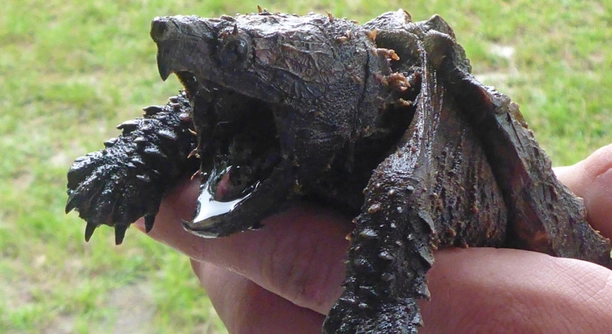
Do you ever find yourself wondering what unusual foods certain reptiles can eat? If you own an alligator snapping turtle, you might be curious about whether roaches can be a part of its diet. Understanding their eating habits is essential for proper care.
Alligator snapping turtles can eat roaches, as they are opportunistic carnivores that consume a variety of live prey. In the wild, they eat insects, fish, and small animals, making roaches a natural and acceptable food source for them.
While feeding roaches to your turtle may seem unusual, it aligns with their natural diet. Exploring their eating habits will help you understand the best nutritional choices for their health and well-being.
Nutritional Value of Roaches for Alligator Snapping Turtles
Roaches are a good source of protein and can be a nutritious snack for alligator snapping turtles. They contain essential vitamins and minerals that support growth and overall health. Since these turtles are natural scavengers, they will eat a wide variety of foods, including insects. Feeding roaches can provide enrichment by encouraging natural hunting behaviors. However, it is important to ensure the roaches are free from pesticides and contaminants. Wild-caught insects may carry harmful substances, so it is best to use store-bought or home-raised roaches. While roaches can be part of their diet, they should not be the only food source. A balanced diet should include fish, meat, and commercial turtle pellets. Too many roaches may lead to an unbalanced intake of nutrients, so moderation is key. Offering a mix of food options will help keep your turtle healthy and active.
A varied diet prevents nutritional deficiencies and supports strong shell development. Roaches alone will not provide all the nutrients these turtles need, so it is essential to supplement their diet.
If you choose to feed roaches, consider gut-loading them with nutritious foods before offering them to your turtle. This ensures they provide additional vitamins and minerals, contributing to a healthier meal.
Feeding Roaches to Your Turtle
Roaches should be fed in moderation to avoid overreliance on one food source. These turtles benefit from a diverse diet that includes both animal and plant-based foods.
When feeding roaches, it is best to offer them live or freshly killed. Alligator snapping turtles have strong jaws designed for crushing prey, so they will have no trouble consuming them. Avoid feeding roaches that have been exposed to chemicals, as they can harm your turtle’s health. If using store-bought roaches, ensure they come from a reliable source. Some turtle owners prefer to breed feeder roaches at home to control their diet and environment. Before feeding, consider dusting the roaches with calcium powder to support shell and bone health. Feeding should be done in water, as these turtles prefer eating while submerged. Uneaten roaches should be removed to keep the enclosure clean. Keeping feeding habits balanced will ensure your turtle gets proper nutrition while enjoying a natural diet.
Potential Risks of Feeding Roaches
Roaches from unknown sources may carry pesticides, bacteria, or parasites that can harm your turtle. If they have been exposed to chemicals, they can transfer toxins, leading to health issues. Always ensure the roaches are clean and safe before feeding them to your turtle.
Feeding too many roaches can cause an unbalanced diet, lacking essential nutrients found in other foods. These turtles need a variety of proteins, vitamins, and minerals for proper growth. Relying too much on insects may lead to deficiencies, affecting their shell and overall health. To prevent this, roaches should be an occasional treat rather than a staple food.
Another concern is overfeeding, which can lead to obesity in captive turtles. Since roaches are high in protein, feeding them too frequently may result in excessive weight gain. Monitoring portion sizes and providing a mix of food sources will help maintain a healthy balance.
Alternative Protein Sources for Your Turtle
Fish, shrimp, and worms are great alternatives to roaches and provide essential nutrients. These foods mimic what alligator snapping turtles eat in the wild. Offering a mix of protein sources will keep their diet varied and nutritious. It also prevents them from becoming overly reliant on a single type of food.
Frozen-thawed fish, such as smelt or tilapia, can be a nutritious addition to their diet. Live or frozen shrimp offer another protein source, and they are rich in beneficial nutrients. Earthworms and nightcrawlers are excellent choices as well since they provide natural enrichment. Snails and crayfish can also be included occasionally for variety. Feeding different types of protein ensures your turtle gets the necessary nutrients for healthy growth.
Commercial turtle pellets are another valuable option, as they are specifically formulated to provide balanced nutrition. These pellets contain essential vitamins and minerals that may be missing from a live-food diet. Rotating between pellets, fish, shrimp, and insects will help keep your turtle healthy and active.
How Often to Feed Roaches
Roaches should only be given as an occasional treat rather than a daily meal. Feeding them once or twice a week is enough to provide variety without causing an unbalanced diet. Mixing them with other protein sources ensures your turtle gets proper nutrition.
Younger turtles may require more protein than adults, so roaches can be offered more frequently during growth stages. However, adults need a more balanced diet, with fewer high-protein foods to prevent weight gain. Adjust feeding frequency based on your turtle’s age, size, and overall health.
Best Ways to Serve Roaches
Live roaches can stimulate natural hunting instincts, keeping your turtle engaged during feeding. If using live insects, drop them directly into the water, as snapping turtles prefer eating while submerged. Alternatively, pre-killed or frozen roaches can be used if live feeding is not preferred. Dusting them with calcium powder adds extra nutritional benefits.
Final Thoughts
Roaches can be a good addition to an alligator snapping turtle’s diet, but they should not replace other essential foods. A well-balanced diet with various protein sources will keep your turtle healthy and active. Ensuring that roaches are clean and pesticide-free will help prevent potential health issues.
FAQ
Can alligator snapping turtles eat any type of roaches?
Not all roaches are safe for your turtle. Store-bought or home-raised roaches are the best options, as they are free from harmful chemicals. Wild roaches may carry pesticides, bacteria, or parasites, which can harm your turtle’s health. Always choose clean and safe sources.
How many roaches should I feed my alligator snapping turtle?
The number of roaches depends on your turtle’s age and size. Hatchlings and juveniles can have a few small roaches a couple of times per week. Adult turtles should only eat roaches occasionally, as too much protein can lead to obesity and other health issues.
Can roaches be the main food source for my turtle?
Roaches should only be a supplement to a well-balanced diet. Alligator snapping turtles need a mix of proteins, including fish, shrimp, worms, and commercial pellets. Relying only on roaches can result in nutritional deficiencies, affecting your turtle’s shell and overall health.
Are there any risks to feeding roaches?
Yes, there are a few risks. Roaches caught in the wild may be exposed to pesticides, which can be toxic to your turtle. Overfeeding roaches can also cause an unbalanced diet, leading to health problems. Always ensure the roaches are safe and feed them in moderation.
Should I feed live or dead roaches to my turtle?
Live roaches are a great way to encourage natural hunting instincts, making feeding more engaging for your turtle. However, dead or frozen roaches can also be fed as long as they are fresh and clean. If feeding dead roaches, consider dusting them with calcium powder for added nutrition.
How should I prepare roaches before feeding them to my turtle?
If using live roaches, make sure they are from a safe source. You can also gut-load them with nutritious foods like fruits and vegetables before feeding. If using frozen or dead roaches, thaw them properly and dust them with calcium powder to boost their nutritional value.
Can baby alligator snapping turtles eat roaches?
Yes, baby snapping turtles can eat small roaches. However, their diet should also include a mix of other proteins and nutrients to support healthy growth. Feeding only roaches may not provide enough variety for a developing turtle, so balance is key.
What other insects can I feed my turtle?
Besides roaches, alligator snapping turtles can eat crickets, mealworms, superworms, and silkworms. These insects provide different nutrients and can help add variety to your turtle’s diet. Just like with roaches, ensure they are clean, pesticide-free, and fed in moderation.
How do I prevent my turtle from overeating?
Portion control is important. Feed roaches only once or twice a week, and monitor your turtle’s weight and activity level. Overfeeding can lead to obesity and health problems. Providing a mix of proteins, vegetables, and commercial pellets will help maintain a balanced diet.
Can I breed roaches at home for my turtle?
Yes, breeding feeder roaches at home is a great way to ensure they are safe and nutritious. It allows you to control their diet and avoid pesticides. Popular roach species for feeding include dubia roaches and discoid roaches, as they are high in protein and easy to raise.
Do roaches provide enough calcium for my turtle?
Roaches contain some calcium but not enough to meet your turtle’s needs. To ensure proper shell and bone health, supplement their diet with calcium-rich foods or dust the roaches with calcium powder before feeding. Providing cuttlebone in the tank can also help with calcium intake.
How do I know if my turtle is getting enough variety in its diet?
A healthy turtle should have a mix of proteins, vegetables, and commercial pellets. If your turtle is active, has a strong shell, and maintains a healthy weight, its diet is likely balanced. Rotating food sources and avoiding over-reliance on one type of protein will help meet its nutritional needs.
Can I feed my turtle cooked roaches?
No, cooked roaches are not recommended. Cooking changes the nutritional content and may make them harder for your turtle to digest. Always feed raw, live, or freshly killed roaches to ensure they provide the most benefits.
How do I store feeder roaches?
Feeder roaches should be kept in a well-ventilated container with food and water sources, such as fresh fruits and vegetables. Avoid overcrowding and keep them in a clean environment. If using frozen roaches, store them in an airtight container in the freezer and thaw before feeding.
Why won’t my turtle eat roaches?
Some turtles may be picky eaters or take time to adjust to new foods. If your turtle refuses roaches, try offering them in water or mixing them with other favorite foods. If your turtle consistently refuses food, check for health issues or consult a reptile veterinarian.
Final Thoughts
Roaches can be a beneficial part of an alligator snapping turtle’s diet when fed in moderation. They provide a good source of protein and help encourage natural hunting behaviors. However, they should not be the main food source. A well-balanced diet should include a variety of proteins, such as fish, shrimp, and worms, along with commercial turtle pellets. Feeding only roaches can lead to nutritional deficiencies, so it is important to offer a diverse range of foods. Ensuring that the roaches are clean and free from pesticides is also necessary to prevent potential health risks. Choosing store-bought or home-raised roaches is the safest option.
When feeding roaches, consider how often they are given and in what quantity. Hatchlings and juveniles require more protein than adults, so they may benefit from small roaches a few times per week. Adult turtles, on the other hand, should eat roaches less frequently to prevent excessive protein intake, which can lead to weight gain. Offering live roaches can stimulate natural behaviors, making feeding time more engaging for your turtle. If using frozen or pre-killed roaches, dusting them with calcium powder can help provide additional nutrients. Removing uneaten roaches from the tank is also important to keep the enclosure clean and prevent contamination.
While roaches can be a useful food source, there are plenty of alternative options that can contribute to a healthy diet. Other insects, such as crickets and mealworms, can be used for variety, along with seafood options like crayfish and snails. Commercial turtle pellets are also beneficial since they are specifically designed to provide essential nutrients. A combination of different protein sources will ensure your turtle stays healthy and active. Paying attention to feeding habits and adjusting the diet as needed will help support proper growth and long-term well-being. Providing the right balance of nutrition will keep your turtle in good health while allowing it to enjoy a diverse and enriching diet.

Hello,
If you enjoy the content that we create, please consider saying a "Thank You!" by leaving a tip.
Every little bit helps us continue crafting quality advice that supports the health, happiness, and well-being of pets around the world, for pets of all shapes, sizes, and species.
We really appreciate the kindness and support that you show us!