
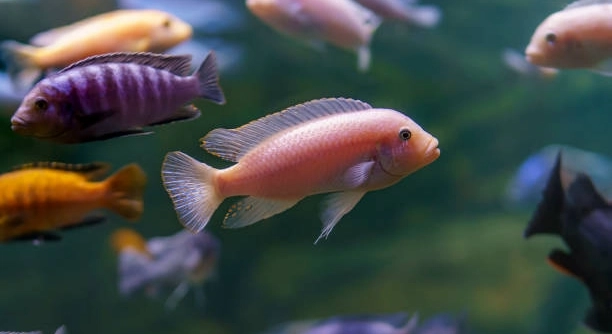
Are your African cichlids always shifting gravel or digging into the bottom of your tank, making you rethink your aquarium setup?
African cichlids can live without sand, but it may affect their behavior and well-being. These fish often rely on a sandy substrate for natural digging, territorial displays, and breeding activities. Removing sand may limit their normal instincts.
Exploring substrate options helps create a tank that supports both their health and natural behavior, ensuring a better environment for your cichlids.
Why Sand Matters to African Cichlids
Sand plays an important role in maintaining the comfort and health of African cichlids. These fish are naturally inclined to sift through sand, build nests, and dig pits for territorial or breeding purposes. A sandy substrate allows them to express these behaviors without harm. It also mimics the lake environments they originate from, helping reduce stress. When deprived of sand, some cichlids may become more aggressive or restless. Additionally, fine sand supports the health of their gills and mouth when foraging. Choosing the right type of sand is also important—pool filter sand or aragonite sand are both safe and commonly used in cichlid tanks. These options are smooth enough to avoid injury and help maintain stable water conditions.
Without sand, cichlids may become frustrated or exhibit repetitive digging at the glass bottom, which can lead to injury or stress. This makes substrate choice more than just decoration.
It’s important to observe how your cichlids behave when introduced to a bare-bottom tank. While some adapt, others may react negatively. You may notice them rubbing against hard surfaces or acting more territorial. Watching for these signs early can help you adjust the environment before issues become more serious.
Can You Keep a Bare-Bottom Cichlid Tank?
A bare-bottom tank is easier to clean and monitor, but it may not meet all the needs of African cichlids.
These tanks are often chosen for maintenance ease, especially in breeding or grow-out setups. However, African cichlids may show stress or unnatural behavior in this environment. The absence of sand removes their opportunity to dig or mark territory, which can impact their comfort. While it’s true that some species adjust over time, others continue to act aggressively or seem less active. If you decide to go without sand, adding structures like rocks and caves is helpful. These additions give them spaces to explore and claim, which supports their need for territory. Also, bare-bottom tanks don’t buffer pH levels the way aragonite sand does, so you’ll need to monitor water chemistry more closely. The choice depends on your goals—whether it’s aesthetics, ease of cleaning, or mimicking a natural habitat. Watch your fish closely and make small changes when needed.
Behavioral Changes Without Sand
Cichlids kept without sand may show signs of restlessness, such as constant pacing or rubbing against the tank bottom. Their territorial behavior can increase, especially in males, leading to more aggression and stress within the group.
Without sand, digging behaviors have no natural outlet, so cichlids may turn to glass-surfaced areas or attempt to move other objects in the tank. This can cause injury or chipped scales over time. Some fish may appear less active or even hide more often. These changes can indicate they’re uncomfortable in their environment. It’s also common to see them try to move gravel or shift decorations when sand is absent, signaling a strong instinct to modify their space. These actions aren’t just for breeding; they’re part of daily comfort and mental stimulation. Watching for unusual changes helps you spot discomfort before it impacts their health.
Stress caused by a lack of sand can also weaken a fish’s immune system. This makes them more vulnerable to infections or parasites. You might notice faded colors or a loss of appetite—both signs that your cichlid may be under stress. Adding enrichment like rocks or switching to a soft substrate can often reverse these issues and improve their well-being without requiring a full tank overhaul.
Maintenance and Water Quality Considerations
Bare-bottom tanks are easier to vacuum, reducing debris buildup and making water changes quicker. This is helpful if you have a busy schedule or breed cichlids and want to keep fry tanks spotless.
However, sand plays a role in supporting biological filtration. Fine sand provides surface area for beneficial bacteria to grow, which helps maintain a stable nitrogen cycle. Removing it means you’ll rely more heavily on your filter system, so you’ll need to clean and monitor it more often. If waste settles in hidden areas or under decorations, it can lead to ammonia spikes. Aragonite sand also helps buffer the pH, which is especially important for African cichlids that need alkaline water. In a bare tank, you’ll need to test pH more frequently and adjust with additives if necessary. Balancing maintenance ease with water stability can help you choose what’s best for your tank and your fish.
Choosing the Right Substrate
If you decide to use sand, stick to options that are soft and uniform in texture. Pool filter sand and aragonite sand are both safe for cichlids and won’t damage their gills or mouths.
Avoid play sand or builder’s sand, as they may compact too much or contain sharp particles. Choose a grain size that allows easy movement but doesn’t cloud the water.
Alternatives to Sand
Crushed coral is a solid option if you’re aiming to maintain high pH levels, especially for Malawi or Tanganyika species. While not as soft as sand, it still supports digging behaviors better than bare glass. Another option is fine gravel, though some cichlids may find it too coarse. Using a mix of materials can also work—like adding a sand patch in one section of the tank for digging. This setup supports natural behavior without sacrificing cleanliness. No matter which alternative you choose, always rinse thoroughly before adding it to avoid clouding and pH instability.
Final Thoughts on Tank Setup
Creating a tank that balances health, behavior, and maintenance needs doesn’t require perfection—it just needs a setup that fits both you and your fish.
FAQ
Can African cichlids survive without sand?
Yes, African cichlids can survive without sand, but their natural behaviors may be limited. Sand provides a soft substrate for digging, breeding, and territory marking. Without it, they might become more stressed or aggressive. Some cichlids adapt over time, but most benefit from having sand in their environment.
What substrate alternatives work best if I don’t want to use sand?
Crushed coral and fine gravel are popular alternatives. Crushed coral helps maintain stable, alkaline water, which suits many African cichlids. Fine gravel offers a firmer surface but may not support natural digging as well as sand. Mixing substrates or adding a sand patch can also work to encourage natural behaviors.
Is a bare-bottom tank better for cleaning?
Bare-bottom tanks are easier to clean because there’s no substrate to trap waste. This setup allows for quick debris removal during water changes. However, it removes the natural biological filtration that sand provides, so filters need more frequent maintenance and careful monitoring.
How does substrate affect water quality?
Sand can help stabilize pH by buffering water, especially if you use aragonite sand. It also offers surface area for beneficial bacteria that break down waste. Without substrate, the tank depends more on filtration systems. Bare tanks require closer monitoring of ammonia, nitrite, and pH levels to avoid spikes.
Will cichlids dig if there’s no sand?
Cichlids have strong digging instincts. Without sand, they may dig at the tank bottom, decorations, or substrate alternatives, or even try to rearrange rocks. If their digging needs aren’t met, it can lead to stress or aggression.
Can I use both sand and gravel together?
Yes, combining sand and gravel can create varied areas for your cichlids to explore and dig. A sand patch allows natural digging behaviors, while gravel offers easier cleaning spots. This can balance aesthetics, fish needs, and tank maintenance.
Does sand help with breeding African cichlids?
Sand provides a suitable surface for many species to build nests or lay eggs. It helps males create pits or territories to attract females. Without sand, breeding behaviors may be hindered, though some cichlids will still spawn on rocks or other surfaces.
What problems can arise from using the wrong substrate?
Using coarse or sharp substrates can injure your cichlids’ delicate mouths and gills. Some sands may compact and restrict water flow, causing anaerobic pockets harmful to fish. Substrate that alters water chemistry improperly can stress fish and lead to disease.
How do I clean sand in my cichlid tank?
Regular gentle vacuuming removes debris without disturbing beneficial bacteria. Avoid stirring sand too much to keep it stable. A good filter system helps reduce waste buildup. If sand compacts, occasionally gently stirring the surface can prevent dead zones.
Will cichlids eat sand?
They may accidentally ingest small amounts while sifting for food, but sand is generally not harmful if it’s smooth and non-toxic. Avoid sharp or chemically treated sand that could injure their digestive tract.
How thick should the sand layer be?
A 1-2 inch layer of sand is usually enough to support natural behaviors without causing compaction. Thicker layers can trap waste and make cleaning difficult, but very thin layers may not satisfy digging instincts.
Can substrate affect tank temperature?
Substrate itself has little impact on temperature but can influence heat distribution slightly. Darker substrates may absorb heat more, while lighter ones reflect it. This effect is minimal and generally not a concern for cichlid tanks.
Is sand necessary for all African cichlid species?
Not all species require sand equally. Some Lake Malawi cichlids are more dependent on sand for breeding and digging, while others adapt well to gravel or rock-heavy tanks. Knowing the species’ natural habitat helps decide on substrate.
How often should I change or replace the substrate?
With proper maintenance, substrate can last years without replacement. Cleaning regularly and monitoring water quality prevents buildup of harmful substances. Replace substrate if it becomes heavily compacted, chemically unstable, or damaged.
Does substrate choice affect aquarium aesthetics?
Yes, substrate influences the tank’s look and color balance. Light-colored sand can brighten a tank and highlight fish colors, while darker gravel can create a more natural, subdued environment. Choose substrate that complements both fish and decor.
Can I keep African cichlids in a tank without any substrate?
Yes, it’s possible, especially in quarantine or breeding tanks. However, this is not ideal for long-term housing as it limits natural behaviors and may increase stress. Providing hiding spots and decorations can partially compensate for the lack of substrate.
Choosing the right environment for African cichlids involves balancing their natural needs with practical care considerations. Sand is a natural substrate for many cichlid species and supports behaviors like digging, territory building, and breeding. When sand is present, fish can express these instincts, which helps reduce stress and promotes their overall well-being. However, not everyone prefers sand because it can require more maintenance, and some aquarists find it harder to keep clean compared to bare-bottom tanks or gravel substrates. It is important to recognize that sand is more than just decoration—it plays a functional role in supporting healthy fish behavior and water quality.
At the same time, bare-bottom tanks offer advantages such as easier cleaning and better control over water conditions. They are often used in breeding or grow-out setups where hygiene and monitoring are priorities. Without sand, though, cichlids may show increased signs of restlessness or aggression because their natural digging and territorial behaviors are limited. To reduce this stress, adding plenty of hiding spots, caves, and rocks can help provide alternative places for exploration and territory establishment. Maintaining stable water chemistry becomes even more critical in a bare-bottom tank since sand’s buffering capacity is missing. Regular water testing and careful filtration are essential to keep the tank environment healthy.
Ultimately, the choice between sand, gravel, or a bare tank depends on your goals and preferences as a fishkeeper. Observing your cichlids’ behavior and health is key to understanding if the current setup meets their needs. If stress or aggression increases, it may be time to reconsider the substrate or add enrichment. Whether you choose sand or not, ensuring a stable, clean environment with enough hiding spaces will help your African cichlids thrive. Finding the right balance will improve their quality of life and make aquarium care more manageable for you.

Hello,
If you enjoy the content that we create, please consider saying a "Thank You!" by leaving a tip.
Every little bit helps us continue crafting quality advice that supports the health, happiness, and well-being of pets around the world, for pets of all shapes, sizes, and species.
We really appreciate the kindness and support that you show us!