
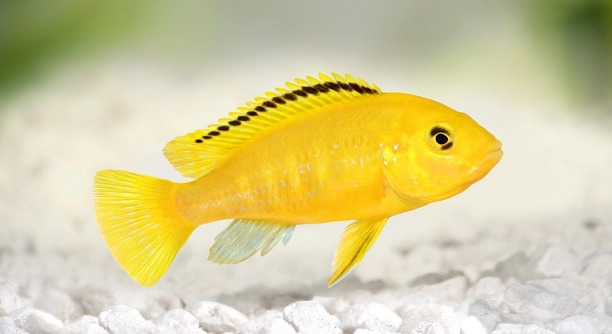
African cichlids are popular aquarium fish known for their bright colors and lively behavior. Many hobbyists wonder how to keep them healthy, especially when considering tank equipment. Caring for these fish often involves thinking about water quality and tank maintenance.
African cichlids can survive without a filter, but maintaining stable water conditions becomes much more challenging. Proper filtration helps remove waste and toxins, preventing harmful buildup. Without a filter, regular water changes and close monitoring are essential to support their health.
Learning how to care for cichlids without a filter can help you create a balanced environment. Understanding the challenges and solutions will improve your fish-keeping experience.
Understanding the Role of Filters in Cichlid Tanks
Filters play an important role in keeping aquarium water clean and safe for African cichlids. They help remove fish waste, uneaten food, and harmful chemicals like ammonia and nitrites. Without a filter, these substances can build up quickly, leading to poor water quality and stress for the fish. Filters also promote beneficial bacteria growth, which breaks down toxins naturally.
In tanks without filters, it is important to change the water often to keep the environment healthy. This means doing partial water changes regularly, sometimes weekly or even more frequently, depending on the tank size and fish load.
While some cichlid keepers try to manage tanks without filters, it is a demanding process. You need to be attentive and consistent with water changes and monitor water parameters closely. Overfeeding must be avoided because excess food increases waste buildup, making the water dirty faster.
Can African Cichlids Really Thrive Without a Filter?
Survival is possible, but thriving requires extra care and attention.
African cichlids can live in tanks without filters if the owner commits to very frequent water changes and careful feeding habits. Tank size matters too—a larger tank with fewer fish will be easier to maintain without a filter. Additionally, live plants can help improve water quality by absorbing some waste, though they cannot replace the full benefits of filtration. Regular testing of water conditions like ammonia, nitrite, and nitrate levels becomes critical to prevent dangerous spikes. Without these precautions, fish health may decline, leading to stress, illness, or even death. Overall, skipping a filter means more work and risk, but with dedication, it can be managed in certain setups.
Common Challenges Without a Filter
Maintaining water quality without a filter requires constant effort. Waste buildup and harmful toxins can quickly affect your fish’s health.
Without a filter, ammonia and nitrite levels can rise rapidly, which is dangerous for cichlids. You must test the water often and do frequent partial water changes to keep these toxins low. It’s also important to avoid overcrowding your tank and to feed sparingly, as extra food will decompose and pollute the water. Without filtration, the natural balance is fragile, so attention to detail is key.
Another issue is the lack of water movement and oxygenation that filters usually provide. This can lead to stagnant water, which stresses fish. Adding an air stone or powerhead can help improve circulation and oxygen levels. Regular monitoring and adjustments to the tank environment become essential to support the well-being of cichlids without a filter.
Tips for Keeping Cichlids Healthy Without a Filter
Use a large tank to reduce waste concentration and make maintenance easier.
Choosing a bigger tank means waste is less concentrated, helping water stay cleaner longer. Regular partial water changes of 20-30% at least once a week help keep toxins low. Testing water parameters with a simple kit allows you to catch problems early. Adding live plants supports natural filtration by absorbing some nutrients. Avoid overfeeding—small amounts once or twice a day are enough. Lastly, ensure good aeration with an air pump or water movement device, which supports oxygen levels and helps prevent dead spots in the tank. These steps help maintain a safer environment for cichlids even without a filter.
Water Changes and Maintenance
Regular water changes are crucial without a filter. They help remove waste and keep the water clean.
Partial water changes of 20-30% weekly are recommended. This keeps harmful toxins like ammonia and nitrites low and helps maintain stable water conditions for your cichlids.
Feeding Habits for Filter-Free Tanks
Feeding less is important when there is no filter. Overfeeding causes waste buildup and poor water quality.
Feed small amounts once or twice daily, only what your cichlids can eat in a few minutes. Remove leftover food promptly to avoid polluting the tank.
Importance of Monitoring Water Quality
Testing water parameters regularly helps catch problems early and protects fish health. Use an easy water test kit often.
Keeping track of ammonia, nitrite, nitrate, and pH ensures a stable and safe environment for your African cichlids.
FAQ
Can African cichlids live without a filter long term?
African cichlids can live without a filter, but long-term survival depends on how well the tank is maintained. Without filtration, water quality can decline quickly, so frequent water changes and close monitoring are essential. Larger tanks with fewer fish are easier to manage without a filter. However, skipping a filter increases the risk of stress and illness in the fish, so it is generally not recommended for beginners or those who cannot commit to regular tank care.
How often should I change the water without a filter?
Water changes should happen at least once a week, ideally 20-30% of the tank volume. In heavily stocked tanks or smaller setups, more frequent changes might be needed to keep toxin levels low. Partial water changes remove waste and dilute harmful substances like ammonia and nitrites that build up without filtration. It’s important to avoid changing all the water at once, as this can shock the fish.
What size tank is best for cichlids without a filter?
A larger tank is better without a filter because waste is less concentrated and water stays cleaner longer. Tanks of 40 gallons or more help create a more stable environment. Smaller tanks are harder to maintain without a filter since toxins build up quickly and water parameters can shift suddenly. With a bigger tank, water changes don’t have to be as frequent, but regular testing and care are still necessary.
Can live plants help in a tank without a filter?
Yes, live plants can improve water quality by absorbing nutrients and reducing nitrate levels. They provide some natural filtration and oxygenate the water, which benefits fish health. However, plants alone cannot replace the need for regular water changes or filtration, especially in tanks with many fish. They work best as a supplement to good maintenance habits.
Is it safe to keep aggressive cichlids without a filter?
Keeping aggressive cichlids without a filter adds difficulty because they produce more waste and stress levels can rise quickly. Aggressive behavior often leads to injuries, which increase the risk of infection in poor water conditions. Good water quality is vital to help fish recover and stay healthy, so filtration or very diligent care is strongly recommended when housing aggressive species.
What are signs that water quality is poor without a filter?
Signs include cloudy water, foul odors, fish gasping at the surface, lethargy, or unusual behavior like hiding or aggression. Fish may also develop spots or other health issues. These signs mean toxins like ammonia or nitrites are too high. Regular water testing helps catch problems before symptoms appear, allowing you to take action early with water changes or other adjustments.
How can I improve oxygen levels without a filter?
Adding an air stone or a small powerhead can increase water movement and oxygen exchange. Plants also help produce oxygen during daylight. Keeping the tank away from direct sunlight can prevent overheating, which lowers oxygen levels. Proper aeration is important because stagnant water stresses cichlids and affects their health, especially in unfiltered tanks.
Can I use chemical treatments to replace filtration?
Chemical treatments like water conditioners can neutralize toxins temporarily but do not replace the need for mechanical or biological filtration. These treatments help in emergencies or during water changes but should not be relied on for ongoing filtration. They do not remove physical waste, so cleaning and water changes remain essential.
Is it harder to keep cichlids without a filter?
Yes, it requires more attention and effort. Without a filter, you need to test water often, do frequent water changes, control feeding strictly, and watch for signs of stress or illness. It can be done, but it demands consistency and knowledge. Many hobbyists prefer using filters for a more stable and low-maintenance setup.
What are the risks of skipping a filter with African cichlids?
The main risks include poor water quality, toxic buildup, increased stress, and higher chances of disease. Without filtration, waste and uneaten food accumulate quickly, harming fish health. Over time, this can lead to weaker immune systems and shorter lifespans. Filters help create a balanced environment that supports the fish’s natural behavior and well-being.
African cichlids are beautiful and active fish that many people enjoy keeping in home aquariums. Their bright colors and interesting behaviors make them popular choices. When it comes to keeping them without a filter, it is possible, but it requires extra care and attention. A filter helps keep the water clean by removing waste and harmful chemicals. Without a filter, these substances build up faster, which can hurt the fish if not managed properly. Regular water changes, proper feeding, and careful monitoring are important to maintain a healthy environment.
It is also important to consider the size of the tank and the number of fish. Larger tanks are easier to keep clean without a filter because the waste is less concentrated. Smaller tanks can become polluted very quickly, making it hard for the fish to stay healthy. Feeding less food and removing any leftovers quickly helps reduce waste in the water. Adding live plants can help improve water quality a bit by absorbing some waste and producing oxygen. However, plants alone are not enough to replace the need for water changes or filtration. You will need to test the water often to keep an eye on harmful chemicals like ammonia and nitrites.
Overall, keeping African cichlids without a filter means more work and responsibility. It is not impossible, but it is best for people who are ready to stay consistent with maintenance. If you want an easier and more stable setup, using a filter is a better choice. Filters help keep the water clean, reduce stress on the fish, and allow you to enjoy your cichlids with less worry. Whether you choose to use a filter or not, understanding your fish’s needs and the effort required will help you provide a healthy home for your cichlids.

Hello,
If you enjoy the content that we create, please consider saying a "Thank You!" by leaving a tip.
Every little bit helps us continue crafting quality advice that supports the health, happiness, and well-being of pets around the world, for pets of all shapes, sizes, and species.
We really appreciate the kindness and support that you show us!