
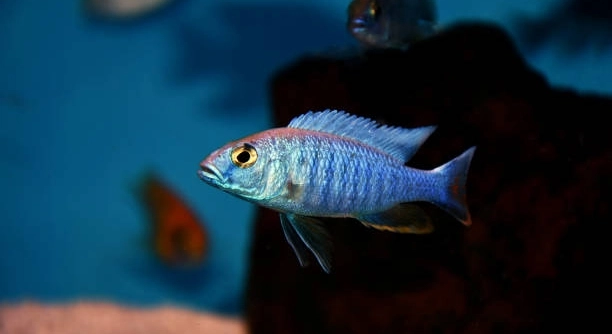
African cichlids are popular freshwater fish known for their vibrant colors and complex behaviors. Many aquarium enthusiasts enjoy observing their interactions and unique personalities. Understanding whether these fish experience emotions adds depth to how we view them in captivity.
African cichlids display behaviors that suggest they can experience basic emotions such as fear, aggression, and social bonding. These responses are supported by their neurological and hormonal systems, indicating an ability to react emotionally to environmental and social stimuli.
Exploring the emotional capacities of these fish helps improve their care and enriches our appreciation of their natural behaviors. This insight encourages better environments that support their well-being.
Understanding Cichlid Behavior
African cichlids show a wide range of behaviors that reflect their emotional states. They often display aggression when defending territory or competing for mates. This is not random but a natural response tied to survival and reproduction. Conversely, cichlids also show signs of social bonding, such as schooling and cooperative parenting. These actions suggest feelings of comfort and attachment within their groups. Changes in their environment, like water quality or the presence of predators, can cause stress behaviors, indicating fear or anxiety. Recognizing these behaviors helps in providing better care and improving their living conditions. Observing cichlids over time allows us to notice subtle changes in mood and interaction, reflecting their emotional state. Their reactions are not just instinctive but often show adaptability to their surroundings, demonstrating a level of awareness that is important for their welfare.
Their behavior is a key indicator of their emotional well-being in captivity.
African cichlids’ emotional responses influence how they interact with each other and their environment. Stress from poor conditions can lead to aggression or withdrawal, while a stable environment promotes natural, positive behaviors. Understanding these patterns is essential for maintaining healthy fish. Providing hiding places and proper tank mates reduces stress, helping them feel secure. Consistent water quality and appropriate feeding also support their emotional balance. These factors collectively create an environment where cichlids can express natural emotions safely and visibly.
Signs of Emotion in African Cichlids
Cichlids show emotions through body language and behavior changes.
Stress and fear in African cichlids often manifest as rapid swimming, hiding, or color fading. Aggression is displayed through chasing or biting other fish, often linked to protecting territory. On the other hand, signs of comfort include relaxed swimming patterns and vibrant colors, which indicate good health and low stress. These emotional expressions are key to understanding how cichlids cope with their environment. It is also common for cichlids to recognize and remember other fish, suggesting an emotional memory. This ability to adapt behavior based on past interactions highlights their emotional complexity. Proper tank management that respects these emotional signs can prevent conflicts and improve their overall quality of life. Monitoring these cues regularly helps ensure cichlids remain healthy and responsive to their surroundings.
Emotional Responses and Tank Environment
Emotional responses in African cichlids are closely tied to their tank environment. Stressful conditions can negatively affect their behavior and health.
Poor water quality or overcrowding often leads to increased aggression and hiding. When the environment is stable, cichlids show more natural, social behaviors. They need enough space to establish territories and escape threats. Adding plants or rocks helps reduce stress by offering shelter. Changes in lighting or sudden movements around the tank can also trigger fear responses. A calm, well-maintained environment allows cichlids to display positive emotional behaviors such as courtship and parental care, making their personalities easier to observe.
Providing an environment that meets their needs supports emotional stability. This leads to healthier fish with fewer signs of distress. Attending to their surroundings regularly can prevent problems caused by stress, improving overall tank harmony and longevity of the fish.
Interaction and Emotional Expression
African cichlids communicate emotions through body language and actions. They use posture, color changes, and movement to express feelings.
Bright, vibrant colors usually indicate a healthy, confident fish, while dull colors can signal stress or illness. Raised fins and direct staring often mean aggression or dominance, especially during breeding seasons. Subtle movements like gentle swimming near tank mates suggest comfort and social bonding. These emotional cues are important for maintaining peaceful relationships in the tank. Fish that are ignored or bullied may retreat and show signs of depression or anxiety. Regular observation helps identify these emotional states early. By understanding their communication, owners can create a more balanced and supportive environment that meets the emotional needs of their cichlids.
Emotional Learning in African Cichlids
African cichlids can learn from experiences and adapt their behavior accordingly. This shows a level of emotional processing beyond instinct.
They remember past interactions with other fish, which influences future responses like aggression or cooperation.
The Role of Hormones in Cichlid Emotions
Hormones play a significant role in regulating emotions in African cichlids. For example, cortisol increases during stress, triggering fear or anxiety behaviors. Testosterone influences aggression and territorial defense, especially in males. These hormonal changes help fish respond appropriately to environmental challenges. Understanding hormone effects helps explain their emotional reactions and guides better tank management. Keeping stress low can balance hormone levels, promoting healthier emotional states. This knowledge also assists in breeding programs by supporting natural social structures. Overall, hormones are key to emotional expression and survival in cichlids.
Emotional Impact of Social Structures
Social hierarchies strongly affect cichlid emotions.
Dominant fish often show confident behavior, while submissive ones may experience stress.
FAQ
Can African cichlids really feel emotions like humans do?
African cichlids do not feel emotions exactly like humans, but they show clear emotional responses such as fear, aggression, and comfort. Their nervous and hormonal systems support these reactions, helping them respond to threats or social changes. While their feelings are simpler, these responses are important for their survival and social interactions.
How can I tell if my cichlid is stressed or unhappy?
Signs of stress in cichlids include hiding, loss of color, erratic swimming, and aggression. A stressed fish may also refuse to eat or become lethargic. Changes in water quality, overcrowding, or aggressive tank mates often cause stress. Observing these behaviors early allows you to adjust the environment and reduce stress before it affects their health.
What are the best ways to reduce stress in my African cichlids?
Maintaining clean water and proper tank conditions is essential. Provide hiding spots with rocks or plants, and avoid overcrowding. Choose compatible tank mates to minimize fighting. Keep the environment stable with consistent lighting and avoid sudden movements around the tank. Regular feeding and monitoring also support their emotional well-being.
Do cichlids recognize their owners or other fish in the tank?
Yes, cichlids can recognize other fish and remember past interactions, which affects their behavior toward them. They may show aggression or cooperation based on previous experiences. While they do not recognize humans in the same way pets like dogs do, they can learn to associate people with feeding or movement near the tank.
Can cichlids form social bonds or friendships?
African cichlids display social behaviors such as schooling, cooperative breeding, and territory sharing. These actions suggest they form bonds that help with survival and reproduction. While not friendships in a human sense, these relationships indicate emotional connections that affect their behavior and stress levels.
How do cichlids show aggression and why?
Aggression is common in cichlids, especially during breeding or when defending territory. They display it through chasing, biting, and flaring fins. This behavior protects resources and mates but can cause stress if the tank is overcrowded or poorly managed. Recognizing aggression helps owners prevent injuries and maintain peace.
Can emotional stress affect cichlid health?
Yes, prolonged emotional stress weakens the immune system, making cichlids more vulnerable to disease. Stress can cause color loss, poor appetite, and abnormal behavior. Preventing stress through good tank care and compatible social groups is crucial to keeping fish healthy.
Do cichlids show signs of parental care?
Many African cichlids show strong parental behaviors like guarding eggs and fry. This care suggests emotional investment in their offspring. Parents become protective and aggressive toward potential threats, which shows an emotional response linked to reproduction and survival.
Is it normal for cichlids to be territorial?
Yes, territorial behavior is natural. Cichlids often claim specific areas of the tank to protect food, mates, or breeding sites. Providing enough space and hiding spots helps reduce conflicts related to territory.
How important is tank size for emotional health?
Tank size greatly affects cichlid emotions. A small, crowded tank increases stress and aggression, while a spacious tank allows natural behaviors like exploring and territory establishment. Proper tank size supports better emotional and physical health.
Can cichlids experience boredom or loneliness?
Cichlids benefit from social interaction and environmental enrichment. Lack of stimulation or isolation can cause stress and abnormal behavior. Providing tank mates and decorations encourages natural activity and reduces boredom.
How can I tell if my cichlid is happy?
A happy cichlid shows bright colors, regular feeding, social interaction, and active swimming. They explore their environment and show normal breeding behavior. Observing these signs indicates their emotional needs are being met.
What role does diet play in cichlid emotional health?
A balanced diet supports overall health and mood. Poor nutrition can lead to lethargy and stress. Feeding a variety of foods that meet their nutritional needs helps maintain energy levels and emotional balance.
Are cichlids capable of learning?
Cichlids can learn from their environment and past experiences. They recognize tank mates, remember threats, and adapt behaviors accordingly. This ability to learn shows a form of emotional intelligence that helps them survive in complex social settings.
How do hormonal changes affect cichlid emotions?
Hormones regulate stress, aggression, and reproductive behaviors. Cortisol rises with stress, increasing fear responses. Testosterone influences aggression and dominance. These hormonal shifts help cichlids respond appropriately to social and environmental changes, shaping their emotional state.
Can cichlids recover emotionally after stressful events?
With proper care and a calm environment, cichlids can recover from stress. Reducing triggers, improving water quality, and providing hiding spaces help them regain normal behavior. Recovery time varies but consistent care supports emotional healing.
These answers reflect the complex emotional behaviors of African cichlids and offer practical guidance for their care. Understanding these aspects deepens our appreciation of these remarkable fish.
African cichlids are fascinating fish that show more emotional complexity than many might expect. Their behaviors reveal clear signs of fear, aggression, comfort, and social bonding. These emotional responses are supported by their biological systems and help them survive and thrive in their environments. Observing these emotions allows fish keepers to better understand their needs and improve their care. Emotional well-being is just as important as physical health when it comes to keeping African cichlids happy and healthy in captivity. By paying attention to their behavior and environment, it is possible to provide conditions that support both.
The way cichlids interact with each other and their surroundings reflects their emotional state. They respond to changes in the tank, such as water quality or the presence of other fish, with behaviors that show stress or comfort. Recognizing these signals can prevent problems like aggression or illness. Tank size, decorations, and compatible companions all influence how these fish feel. Providing a stable, enriched environment reduces stress and encourages natural behaviors like schooling or parenting. This attention to their emotional needs helps maintain balance in the aquarium and promotes healthier fish overall.
Understanding African cichlids’ emotions also adds value to the experience of keeping them. Watching these fish express moods and form social bonds can be rewarding and educational. Their emotional responses remind us that they are more than just colorful creatures; they have complex lives influenced by how we care for them. Thoughtful tank management and respect for their emotional capacities make a difference in their quality of life. Caring for these fish with this knowledge ensures they live in conditions that allow them to show their full range of natural behaviors.

Hello,
If you enjoy the content that we create, please consider saying a "Thank You!" by leaving a tip.
Every little bit helps us continue crafting quality advice that supports the health, happiness, and well-being of pets around the world, for pets of all shapes, sizes, and species.
We really appreciate the kindness and support that you show us!