
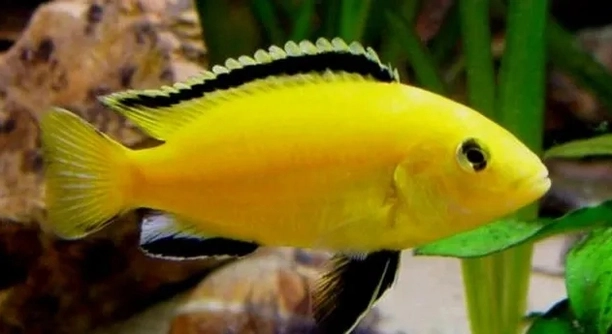
Are your African cichlids showing torn fins or bruises after a fight, leaving you concerned about their recovery and well-being?
African cichlids can recover from fights if given proper care, isolation when needed, and a stable environment. Clean water, reduced stress, and a balanced diet all support healing and prevent future aggression within the tank.
Understanding the causes of their fights and knowing how to manage recovery is important for keeping your fish safe and healthy.
Common Causes of Fighting in African Cichlids
African cichlids are known for their bold colors and strong personalities, but their territorial nature often leads to fights. Aggression usually stems from overcrowding, breeding behavior, or disputes over territory and hiding spots. When space is limited, dominant fish tend to chase or nip at others to claim their area. This can result in visible injuries such as torn fins or missing scales. Certain species are more aggressive than others, and mixing incompatible types in the same tank increases tension. Poor tank setup, lack of hiding spaces, and changes in environment can also raise stress levels and trigger conflict. Males especially show aggressive behavior during mating, trying to assert dominance or attract females. Fighting can be frequent if the group dynamic is not well balanced. Observing their behavior regularly helps identify early signs of tension, allowing you to take steps before injuries happen.
A well-arranged tank setup can greatly reduce stress and minimize aggressive encounters between fish.
Consider using rocks, caves, or tall plants to break up sightlines and give fish their own space. This helps calm dominant fish and provides safety for less aggressive ones. Ensuring enough room for each fish prevents overcrowding and encourages more peaceful behavior overall.
Signs of Recovery and How to Support Healing
A recovering cichlid may hide more, eat less, or swim slower. You may notice fin regrowth or fading bruises over time. These are signs your fish is healing well with the right care and environment.
To help African cichlids recover fully, start by separating the injured fish in a clean, quiet tank if possible. This gives them time to heal without added stress from other fish. Make sure the water is clean and well-filtered, with steady temperatures and good oxygen levels. Feed them high-quality food that supports regrowth and strengthens immunity. Adding aquarium salt, in the right amount, can help with fin healing and reduce infection risk. Avoid using harsh chemicals unless absolutely necessary, and monitor water quality daily. Reduce bright lighting and loud noise near the tank. Check for signs of secondary infections like white patches or cloudy eyes, and consult a vet or pet store specialist if needed. Keeping their environment calm and stable helps them bounce back more quickly.
Preventing Future Fights in the Tank
Preventing fights starts with creating a stable, balanced tank environment. Choose compatible species and avoid mixing highly aggressive types with more peaceful ones. Provide plenty of hiding spots, enough swimming space, and monitor fish behavior regularly to catch issues early.
Tank size plays a big role in reducing aggression. A larger tank gives each fish enough territory, which helps lower the chances of conflict. Grouping fish in odd numbers can also reduce targeted bullying. When adding new fish, do so gradually and rearrange the tank layout slightly to disrupt established territories. Avoid overcrowding by following proper stocking guidelines based on tank size. Keep the water parameters consistent and provide a calm, clean space. Some fish keepers use divider nets temporarily when aggression becomes too intense. Small adjustments like these help maintain a peaceful environment and support the long-term health of your fish community.
Creating a feeding routine helps limit aggression during mealtimes. When food is scattered unevenly, dominant fish may chase others away, leading to tension and fights. Feed in multiple spots or at opposite ends of the tank to ensure everyone gets a fair share. Use floating and sinking pellets to reach fish at different levels. Providing high-quality food can also reduce aggression linked to nutritional deficiencies. Watching feeding behavior closely lets you make quick changes if needed. Balanced nutrition and regular feeding keep energy levels steady and lower frustration among fish. This small routine supports both harmony and overall health in your tank.
When to Separate African Cichlids
Separate cichlids if injuries keep happening or if one fish is constantly hiding, not eating, or showing torn fins. Quick separation prevents more damage and gives the injured fish space to heal in peace without added stress.
Use a hospital tank with clean, warm water and gentle filtration. This setup helps reduce risk of infection and supports faster healing. Keep lighting low and avoid sudden changes. Observe behavior closely to decide when it’s safe to reintroduce the fish to the main tank.
Introducing New Fish to an Established Tank
Adding new cichlids to a tank can be tricky, especially if there’s already a strong hierarchy. Start by rearranging decorations before introducing new fish. This resets territorial claims and reduces the chance of immediate aggression. Introduce during feeding time to shift focus away from the new arrivals. Float the bag to match temperature and slowly mix tank water in before releasing them. Watch closely for bullying, and have a divider or spare tank ready if needed. Introduce fish of similar size to reduce the risk of dominance-related attacks. A calm introduction helps maintain peace in the tank.
Signs That Healing Is Complete
Once torn fins regrow, colors return to normal, and swimming is steady, healing is likely complete. If the fish is eating well and acting confidently again, it’s safe to say they’ve recovered.
FAQ
How long does it take for African cichlids to recover from fights?
Recovery time varies depending on the severity of injuries and tank conditions. Minor fin tears can start healing within a week, while more serious wounds might take several weeks to fully heal. Good water quality, proper nutrition, and low stress levels speed up recovery significantly.
Can injured cichlids infect others in the tank?
Yes, injuries can become infected and spread diseases to healthy fish if not treated. Open wounds are vulnerable to bacteria and parasites. Keeping water clean and isolating injured fish reduces infection risks. Adding aquarium salt in proper doses can also help prevent infections.
Is it normal for cichlids to fight often?
Some level of aggression is normal for African cichlids due to their territorial nature. However, constant or severe fighting signals a problem with tank size, stocking levels, or compatibility. Adjusting the environment or fish group can reduce aggressive behavior.
Should I treat injured cichlids with medication?
Only use medications if there are clear signs of infection like white patches, fungus, or swelling. Overusing medication can harm fish and beneficial bacteria in the tank. Isolating injured fish and maintaining excellent water quality is usually the first step before medication.
Can tank decorations help reduce fights?
Yes, decorations like rocks, caves, and plants create territories and hiding spots. Breaking up sight lines lowers aggression by giving fish spaces to escape and claim. Rearranging decorations occasionally can also prevent dominance from becoming too strong.
How can I tell if a cichlid is stressed after a fight?
Stressed cichlids may hide more, lose appetite, swim erratically, or stay at the bottom of the tank. Their colors may fade, and they might breathe faster. Stress weakens their immune system, so spotting these signs early is important for quick intervention.
Is it okay to keep different species of African cichlids together?
Some species mix well, but many African cichlids are aggressive and territorial. Combining incompatible species often leads to fights and injuries. Research species compatibility and try to keep fish with similar temperaments and sizes together.
What should I feed cichlids to support healing?
Provide a varied diet rich in protein and vitamins. High-quality pellets, frozen foods like bloodworms, and occasional vegetables help strengthen their immune system and promote fin regrowth. Avoid overfeeding, as poor water quality can hinder healing.
Can changes in water conditions cause aggression?
Yes, fluctuations in temperature, pH, or ammonia levels can stress fish, making them more aggressive. Stable, clean water encourages calmer behavior. Regular testing and maintenance help keep conditions optimal for peaceful tank life.
When is it safe to reintroduce an injured fish back to the main tank?
Wait until wounds have closed and fins show significant regrowth. The fish should be eating well and swimming normally without signs of stress or infection. Gradually reintroduce while observing closely for renewed aggression or bullying.
African cichlids are lively and beautiful fish, but their natural behavior can sometimes lead to fights. When these fights happen, injuries can occur, making recovery an important part of caring for your fish. Understanding how to help your cichlids heal and how to prevent future fights will improve their health and happiness. It is important to provide a clean, stable environment where your fish feel safe. Proper tank setup, good water quality, and a balanced diet all play a key role in recovery. By paying close attention to your fish’s behavior, you can catch problems early and take action before injuries get worse.
Taking care of injured cichlids involves giving them time and space to heal. Separating injured fish into a quiet, clean hospital tank helps reduce stress and lowers the risk of infection. Watching for signs of healing, like regrowing fins and returning colors, tells you when your fish are getting better. Keeping the water clean and stable during this time supports their immune system. Feeding them nutritious food helps speed recovery. Sometimes minor aggression still happens, but with patience and careful monitoring, most cichlids bounce back well. Knowing when to reintroduce them to the main tank is just as important as the care they receive while healing.
Preventing fights is just as important as helping your fish recover. Choosing compatible species and providing enough space and hiding spots reduces aggression. Rearranging tank decorations regularly helps break up territories and keeps the tank peaceful. Feeding your fish in multiple spots also lowers competition and tension. Remember that African cichlids have strong personalities, so some level of territorial behavior is normal. However, keeping a balanced group and maintaining good tank conditions will make your aquarium a healthier place for all your fish. With the right care and attention, your cichlids can live long, vibrant lives free from serious harm caused by fights.

Hello,
If you enjoy the content that we create, please consider saying a "Thank You!" by leaving a tip.
Every little bit helps us continue crafting quality advice that supports the health, happiness, and well-being of pets around the world, for pets of all shapes, sizes, and species.
We really appreciate the kindness and support that you show us!